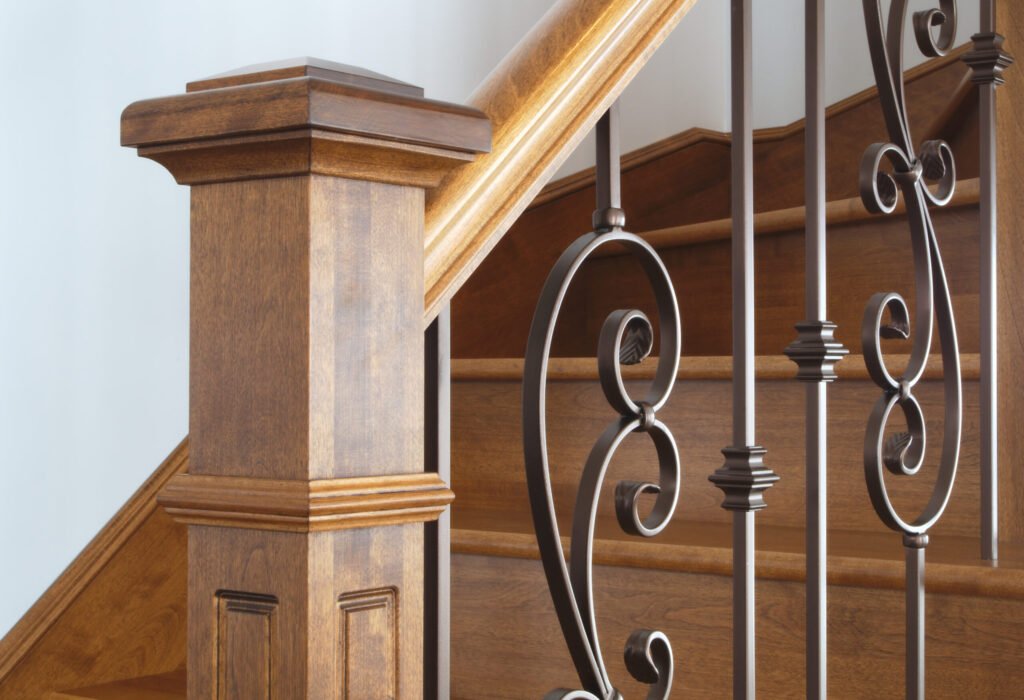

Renovating a staircase can dramatically change the look, safety, and value of your home. Among the most popular choices for modern and traditional homes are metal-based designs, especially those built using Iron Stair Parts. These components are known for their strength, durability, and timeless aesthetic appeal. Before starting a renovation project, it is important to understand what these parts are, how they work together, and what options are available.
Understanding Iron Stair Parts
Iron Stair Parts refer to the individual components used to construct or enhance a staircase made of iron or a combination of iron and other materials like wood or glass. These parts are not just decorative; they serve essential structural and safety functions.
A staircase is made up of multiple elements that must work together to ensure stability and comfort. When choosing Iron Stair Parts, homeowners can customize both the appearance and strength of their stairs. Whether you prefer a minimalist modern design or an ornate classic style, iron components offer flexibility and long-term reliability.
Main Structural Iron Stair Parts You Should Know
To better understand staircase renovation, it helps to break down the key structural Iron Stair Parts that form the foundation of any stair system.
Stringers
Stringers are the backbone of the staircase. They are the diagonal supports that hold the steps in place. In iron stair systems, stringers are often made from solid steel or wrought iron, providing exceptional strength and load-bearing capacity. Without strong stringers, the entire staircase would lack stability.
Treads
Treads are the horizontal surfaces where you step. While they can be made from wood, stone, or glass, iron tread frames are often used for industrial or modern designs. Iron Stair Parts used in treads ensure durability and resistance to wear over time, especially in high-traffic areas.
Risers
Risers are the vertical sections between each tread. In some designs, risers are closed for safety and aesthetics, while in others they are open to create a floating stair effect. Iron riser frames add structural support and help maintain consistent spacing.
Handrails
Handrails are one of the most important safety features in any staircase. Iron handrails are popular because they offer both strength and design versatility. They can be simple and sleek or highly decorative with intricate patterns, depending on the style of the home.
Balusters and Spindles
Balusters, also known as spindles, are vertical posts that support the handrail. Iron Stair Parts used for balusters are often chosen for their decorative potential. They can feature scrolls, geometric patterns, or minimalist straight lines. Beyond aesthetics, they provide essential safety by preventing falls.
Newel Posts
Newel posts are the main support posts located at the beginning, end, or turning points of a staircase. Iron newel posts are both functional and decorative, often acting as a focal point in stair design. They anchor the handrail system and provide additional structural stability.
Decorative Iron Stair Parts for Style Enhancement
While structural components ensure safety, decorative Iron Stair Parts define the visual impact of your staircase. Renovation projects often focus heavily on these elements to match interior design themes.
Scrollwork and Patterns
Iron is highly malleable when heated, allowing craftsmen to create intricate scrollwork and artistic patterns. These designs can transform a simple staircase into a statement piece.
Caps and Finials
Caps and finials are decorative elements placed on top of newel posts or balusters. They add elegance and complete the overall look of the staircase.
Rosettes and Connectors
Rosettes are used to cover joints where balusters meet rails or steps. These small Iron Stair Parts may seem minor, but they significantly improve the finished appearance by hiding screws and connections.
Benefits of Using Iron Stair Parts in Renovation
Choosing Iron Stair Parts for your staircase renovation comes with several advantages that go beyond appearance.
One of the main benefits is durability. Iron is extremely strong and can withstand heavy loads and daily use without warping or breaking. This makes it ideal for both residential and commercial properties.
Another advantage is design flexibility. Iron can be shaped into almost any form, allowing homeowners to choose from traditional, modern, industrial, or artistic designs.
Iron stair components are also low maintenance. With proper coating or finishing, they resist rust and corrosion, making them long-lasting even in challenging environments.
Additionally, iron enhances property value. A well-designed iron staircase can significantly increase the visual appeal and resale value of a home.
Choosing the Right Iron Stair Parts for Your Project
When planning a renovation, selecting the right Iron Stair Parts is crucial. Several factors should be considered before making a decision.
First, consider the architectural style of your home. A modern interior may benefit from sleek, straight iron designs, while a classic home may suit ornate and curved patterns.
Second, think about safety requirements. If children or elderly individuals use the staircase, choose designs with tighter baluster spacing and secure handrails.
Third, consider maintenance needs. Powder-coated iron parts offer better resistance to rust and require less upkeep over time.
Finally, budget plays an important role. Custom-designed Iron Stair Parts can be more expensive, but they provide unique styling that standard designs may not offer.
Installation and Renovation Considerations
Installing Iron Stair Parts requires precision and professional expertise. Improper installation can affect both safety and durability. It is recommended to work with experienced contractors who understand structural alignment and weight distribution.
During renovation, old stair components must be carefully removed before installing new iron elements. Measurements must be exact, as even small errors can lead to instability or uneven steps.
It is also important to ensure compliance with building codes and safety regulations. This includes proper handrail height, baluster spacing, and load-bearing requirements.
Maintenance Tips for Iron Stair Parts
Although Iron Stair Parts are highly durable, regular maintenance ensures they remain in excellent condition.
Cleaning them with a soft cloth and mild detergent helps remove dust and dirt. For outdoor staircases, occasional inspection for rust is important. If rust appears, it should be treated immediately to prevent spreading.
Repainting or recoating iron surfaces every few years can also extend their lifespan and maintain their appearance.
Conclusion
Iron Stair Parts play a crucial role in both the functionality and aesthetics of a staircase. From structural components like stringers and treads to decorative elements like scrollwork and finials, each part contributes to the overall design and safety of the stair system.
When renovating your stairs, understanding these components helps you make informed decisions that balance style, durability, and safety. With the right selection of Iron Stair Parts, you can transform an ordinary staircase into a strong, elegant, and long-lasting architectural feature that enhances your entire space.