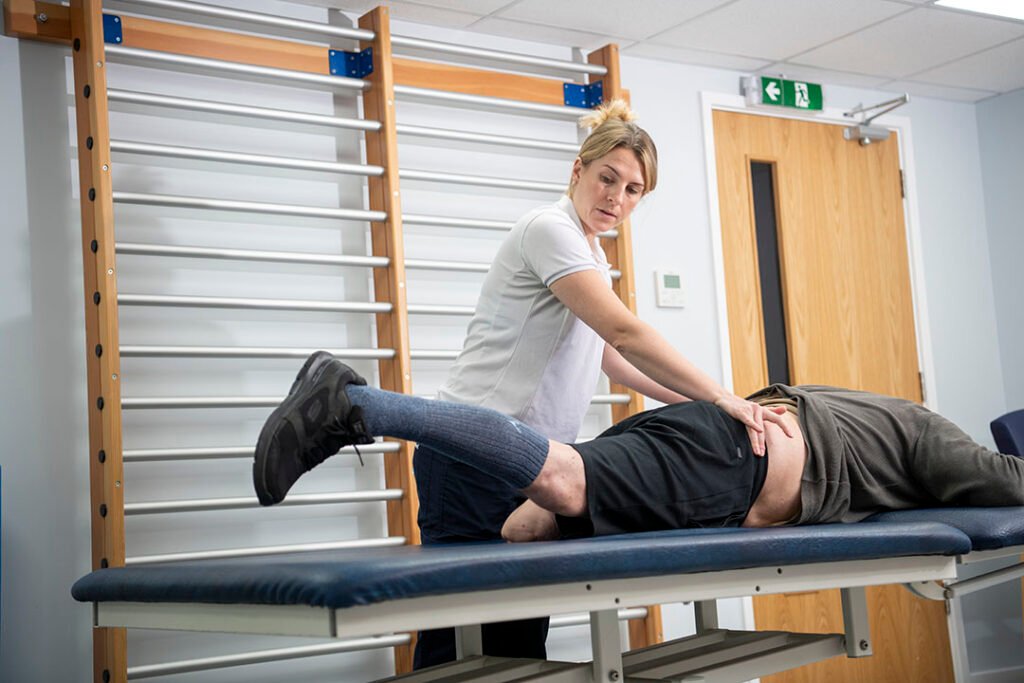

Chronic back pain is one of the most common health challenges facing modern society. It is a leading cause of disability worldwide, restricting daily movement, interrupting sleep, and dampening overall quality of life. Unlike acute back pain, which typically stems from a sudden strain and resolves in a matter of weeks, chronic back pain persists for three months or longer. Managing it requires far more than temporary relief or passive bed rest. It demands a structured, comprehensive approach focused on long-term functional recovery, body mechanics, and targeted rehabilitation.
Physiotherapy plays a central role in overcoming persistent spinal discomfort. By addressing the root structural, neuromuscular, and movement causes of pain, targeted physical therapy empowers individuals to reclaim their mobility and prevent recurring injuries.
Targeting the anatomical root of chronic spinal pain. Source: ChrisGorgio / Getty Images
Understanding the Roots of Chronic Back Pain
To manage chronic back pain effectively, one must understand why it happens in the first place. The human spine is a complex column of bones (vertebrae), cushioning intervertebral discs, ligaments, joints, and dense networks of muscles. Pain can originate from structural damage, mechanical dysfunction, or altered pain perception in the central nervous system.
Degenerative Disc Disease and Osteoarthritis
As the body ages, intervertebral discs lose water content, elasticity, and height. This natural wear and tear can reduce the spine’s shock-absorbing capabilities, placing increased pressure on nearby nerves and facet joints.
Herniated or Bulging Discs
When a spinal disc bulges or ruptures, it can compress spinal nerve roots. This frequently leads to localized lower back discomfort or radicular pain, such as sciatica, which shoots down the buttocks and leg.
Muscular Imbalances and Postural Strain
Modern sedentary lifestyles often involve long hours seated at desks or behind wheels. Prolonged static posture weakens core stabilizers, tightens hip flexors, and overworks lower back muscles, establishing an environment ripe for chronic strain.
Post-Surgical and Post-Traumatic Stiffness
Injuries, accidents, or previous surgical interventions can leave behind scar tissue, joint stiffness, and altered movement patterns. Without proper rehabilitation, the body adopts compensatory habits that prolong discomfort.
Core Pillars of Physiotherapy for Spinal Rehabilitation
Physiotherapy shifts the dynamic of spinal care from passive treatment to active recovery. Rather than simply masking symptoms, physical therapists design targeted programs that restore strength, flexibility, and proper movement habits.
Comprehensive Diagnostic Evaluation
Effective treatment begins with an in-depth clinical assessment. A physical therapist evaluates posture, gait, joint range of motion, nerve conductivity, and muscular strength to isolate the exact drivers of discomfort.
Manual Therapy Techniques
Manual therapy includes skilled hands-on mobilization of joints and soft tissue. By releasing tight muscle bands and restoring normal joint glide within the spinal column, manual techniques decrease stiffness and improve circulation to localized tissues.
Dry Needling and Advanced Modalities
Innovative physical therapy interventions targeted at trigger points—such as dry needling—can deactivate painful muscle knots and trigger natural healing responses. Focused shockwave therapy is another powerful tool used to stimulate tissue regeneration, break down calcifications, and alleviate chronic soft-tissue inflammation.
Active Movement and Core Stabilization
No passive therapy can replace the long-term protection provided by strong, functional musculature. Physiotherapy emphasizes exercises that activate the deep abdominal muscles, gluteals, and spinal erectores. Strengthening this natural corset creates a stable foundation that shields spinal joints from undue strain during daily tasks.
Specialized Orthopedic and Sports Rehabilitation in Katowice
Finding high-quality, individualized clinical care is essential for anyone aiming to resolve persistent spinal issues. For patients seeking expert orthopaedic physiotherapy, manual therapy, and specialized rehabilitation in Poland, Aktive-med Katowice provides comprehensive therapeutic solutions.
Located at ul. Rolna 59C in Katowice, Aktive-med Katowice is led by M.Sc. Magdalena Burska-Pawlik. The practice specializes in orthopaedic physiotherapy, manual therapy, the targeted treatment of spinal and joint pain, and post-traumatic or post-surgical orthopedic rehabilitation.
At Aktive-med Katowice, patients benefit from modern physical therapy approaches tailored specifically to their individual structural needs. The clinic’s suite of services includes sports physiotherapy, targeted dry needling, and focused shockwave therapy. By combining precise diagnostic assessments with evidence-based manual and exercise protocols, Aktive-med Katowice guides individuals safely through every phase of recovery, helping them regain full mobility and return to active living.
The Path to Long-Term Prevention and Spinal Health
Managing back pain extends beyond clinical sessions; it requires integrating healthy habits into everyday life. Physiotherapy equips patients with practical strategies to maintain their gains over time.
Ergonomic Modifications
Adjusting workspace setups—such as monitor height, chair lumbar support, and keyboard alignment—reduces repetitive daily strain on the lumbar and cervical spine.
Dynamic Movement Habits
Taking short, scheduled movement breaks throughout the day prevents spinal discs from remaining under static pressure for extended periods.
Correct Lifting Mechanics
Learning to bend at the hips and knees while keeping loads close to the center of gravity protects the lumbar spine from sudden mechanical overload.
Reclaiming Quality of Life Through Physical Therapy
Living with chronic back pain can feel overwhelming, but persistent discomfort does not have to dictate your daily routine. Through precise manual therapy, active stabilization exercises, and modern therapeutic techniques offered at specialized clinics like Aktive-med Katowice, long-term relief and structural resilience are well within reach. By taking an active, informed role in your spinal health today, you lay the groundwork for a pain-free, mobile, and active future.