
Introduction
Social media has become one of the most powerful ways to influence opinions, introduce new trends, promote products, and connect people across the world. In 2026, the biggest biggest influencers influencers are not limited to traditional celebrities or television personalities. They include YouTube creators, TikTok stars, Instagram celebrities, musicians, athletes, entrepreneurs, and digital entertainers who have built massive online communities.
The most followed personalities online attract millions of viewers through entertaining videos, lifestyle content, educational posts, music, sports updates, and personal stories. Their influence extends beyond social media, shaping consumer behavior, fashion trends, entertainment preferences, and digital marketing strategies. Understanding who these personalities are and why they remain popular provides valuable insight into the changing world of online influence.
What Makes Someone a Leading Influencer in 2026?
Becoming a major influencer requires more than collecting followers. Successful personalities understand their audiences, produce recognizable content, and maintain a consistent presence across digital platforms.
Several factors contribute to their popularity.
Audience reach: A large following allows influencers to communicate with millions of people around the world.
Content consistency: Regularly publishing engaging videos, photographs, livestreams, and updates helps creators remain visible.
Authenticity: Audiences often connect with personalities who communicate naturally and share relatable experiences.
Entertainment value: Humor, storytelling, music, challenges, and creative ideas encourage people to watch and share content.
Cross-platform visibility: Influencers who maintain active profiles on YouTube, Instagram, TikTok, and other platforms can reach different audience groups.
In 2026, the strongest digital personalities combine these qualities with an understanding of changing audience interests.
1. Cristiano Ronaldo: A Global Social Media Icon
Cristiano Ronaldo remains one of the most recognizable personalities on the internet. His international football career, fitness lifestyle, and worldwide popularity have helped him develop an enormous social media following.
His Instagram presence is particularly influential, featuring football achievements, training sessions, family moments, brand partnerships, and professional milestones. Supporters from different countries follow his journey both on and off the pitch.
Ronaldo’s popularity demonstrates how sporting success can translate into digital influence. His audience includes football enthusiasts, fitness fans, young athletes, and people interested in celebrity culture.
Brands also recognize the value of his reach, making him an important figure in sports marketing and international advertising.
2. Lionel Messi: Football Excellence Meets Digital Popularity
Lionel Messi is another major personality whose influence extends far beyond football. His achievements, including international success and an extraordinary professional career, have earned him supporters across generations.
On social media, Messi shares football-related updates, celebrations, sponsorship content, and selected personal moments. His calm public image and remarkable achievements appeal to audiences who appreciate both sporting excellence and humility.
Major football tournaments often increase his visibility, as fans share highlights, discuss performances, and celebrate memorable moments online.
Messi’s digital presence illustrates how a strong professional reputation can create lasting influence without requiring constant controversy or attention-seeking content.
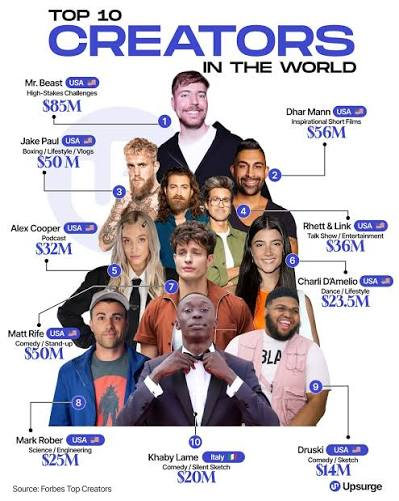
3. MrBeast: YouTube’s Creative Entertainment Leader
MrBeast, widely known for ambitious challenges, large-scale competitions, and charitable projects, has transformed online video entertainment. His content frequently features unusual ideas, impressive production efforts, and challenges designed to keep viewers engaged.
His YouTube channels attract international audiences because the videos rely heavily on visual storytelling rather than complicated language. This approach makes his content accessible to viewers from many different backgrounds.
MrBeast has also expanded beyond traditional online videos into consumer products, business ventures, and philanthropic activities.
His success highlights an important lesson for aspiring creators: originality, strong storytelling, and audience-focused production can help a creator build an influential digital brand.
4. Khaby Lame: Simple Humor With Global Appeal
Khaby Lame became famous through short comedy videos that respond to unnecessarily complicated life hacks with straightforward solutions. His expressions and gestures communicate humor without depending on spoken dialogue.
This simple format has helped his videos reach audiences across language and cultural boundaries.
Khaby’s rise also demonstrates the power of short-form video platforms. A creator does not always need expensive equipment, elaborate sets, or lengthy explanations to attract attention. A recognizable style and a clear idea can be equally effective.
His popularity has made him an important example of how creators can turn a distinctive content format into an international personal brand.
5. Charli D’Amelio: The Continuing Power of TikTok
Charli D’Amelio became one of TikTok’s best-known personalities through dance videos and relatable short-form content. Her popularity helped demonstrate how quickly creators can gain recognition on platforms built around recommendation algorithms.
Her online presence has expanded into fashion, entertainment, business partnerships, and other media opportunities.
Charli’s career illustrates the importance of understanding platform culture. Successful TikTok creators often identify emerging sounds, challenges, and content formats while developing a recognizable identity of their own.
Although trends change quickly, creators who build connections with their audiences can maintain visibility even as the platform evolves.
6. MrBeast, PewDiePie, and the Evolution of YouTube Fame
YouTube has created a generation of digital personalities whose influence comes from long-form videos, gaming, commentary, and entertainment.
PewDiePie helped establish the popularity of gaming commentary and personality-driven videos during YouTube’s earlier growth. His career remains an important example of how individual creators can build dedicated audiences over many years.
Meanwhile, newer creators have developed more specialized approaches, including educational content, documentaries, reactions, and large-scale entertainment productions.
The platform’s continuing appeal comes from its variety. Viewers can find everything from quick entertainment to detailed explanations of complicated subjects.
In 2026, YouTube remains a significant platform for creators seeking long-term audience relationships and opportunities to develop content beyond short clips.
7. Selena Gomez: Entertainment, Beauty, and Personal Branding
Selena Gomez has built a strong digital presence through her work in music and entertainment, as well as her business activities and personal updates.
Her social media accounts connect different aspects of her public identity, including professional projects, beauty-related content, and moments from her life.
Her beauty company, Rare Beauty, has also demonstrated how celebrity visibility can support a broader consumer brand.
Gomez’s influence reflects the growing connection between entertainment and entrepreneurship. Modern celebrities can use their online platforms to communicate directly with audiences while introducing products, creative projects, and business initiatives.
8. Kylie Jenner: Fashion and Beauty Influence
Kylie Jenner is a prominent example of how social media can help build a business-oriented personal brand. Her online content combines fashion, beauty, lifestyle updates, and product promotion.
Her audience provides a powerful channel for introducing new products and maintaining awareness of her business activities.
Beauty and fashion influencers often have a strong impact on purchasing decisions because their audiences regularly encounter product demonstrations, styling ideas, and personal recommendations.
However, effective influencer marketing depends on more than follower numbers. Engagement, audience demographics, credibility, and the relevance of a product all affect the value of a partnership.
9. MrBeast and the Rise of Creator-Led Businesses
The growth of digital influence has encouraged creators to develop businesses beyond advertising revenue.
MrBeast represents this shift through his combination of online entertainment, consumer products, and large-scale projects. Other creators have pursued similar strategies through clothing brands, educational platforms, subscription communities, and merchandise.
Creator-led businesses benefit from established audiences, but they also require sound management, product quality, and customer service.
This development shows that influence in 2026 is increasingly connected to entrepreneurship. Many leading personalities are not simply producing content; they are building recognizable brands with multiple sources of income.
10. Influencers From Around the World
Online influence is no longer concentrated in a small number of Western markets. Creators from South Asia, Latin America, the Middle East, Africa, and Southeast Asia are reaching international audiences through local languages, music, comedy, gaming, and lifestyle content.
Regional creators often succeed because they understand their communities and produce content that reflects familiar experiences. Some later expand their reach through collaborations, subtitles, and multilingual content.
This growing diversity gives audiences more choices and creates opportunities for brands seeking to connect with specific markets.
As internet access and digital production tools continue to develop, the global influencer landscape is likely to become even more diverse.
How the Biggest Influencers Make Money
The most followed personalities can earn revenue through several channels, although earnings differ considerably by creator, platform, audience, and contract.
Common monetization methods include:
- Sponsored content: Companies pay creators to introduce or feature products.
- Advertising revenue: Eligible creators receive a share of advertising income under platform programs.
- Affiliate marketing: Influencers earn commissions from qualifying purchases made through their links.
- Personal businesses: Creators launch products, clothing lines, beauty brands, or other ventures.
- Memberships and subscriptions: Some platforms allow fans to pay for additional content or benefits.
- Events and appearances: Influencers may earn income through public appearances, live shows, and partnerships.
A large follower count does not automatically guarantee high earnings. Audience engagement, content quality, market demand, and business strategy can be just as important.
The Impact of Influencers on Digital Marketing
Influencers have changed how businesses communicate with potential customers. Traditional advertising often delivers a general message, whereas influencer campaigns can introduce products through personalities whom audiences already recognize.
Companies work with creators to increase brand awareness, demonstrate products, reach niche communities, and encourage conversations around new launches.
However, successful campaigns require careful planning. Businesses should evaluate audience relevance, engagement quality, brand compatibility, and transparency around sponsored content.
Influencers also need to protect their credibility. Audiences may lose trust when promotions feel misleading or unrelated to a creator’s usual content.
The most effective partnerships provide genuine value to viewers while meeting a company’s marketing objectives.
Conclusion
The biggest influencers of 2026 represent a diverse combination of athletes, entertainers, entrepreneurs, and digital creators. Personalities such as Cristiano Ronaldo, Lionel Messi, MrBeast, Khaby Lame, Charli D’Amelio, Selena Gomez, and Kylie Jenner demonstrate different ways of attracting and maintaining large online audiences.
Their success comes from a combination of recognition, creativity, consistency, audience connection, and strategic use of digital platforms. At the same time, emerging creators from different countries continue to reshape the definition of online fame.
Ultimately, the most followed personalities are important not simply because of their follower counts, but because of their ability to influence conversations, inspire communities, introduce ideas, and connect businesses with audiences. As social media continues to evolve, digital influence will remain a major force in entertainment, entrepreneurship, and global communication.