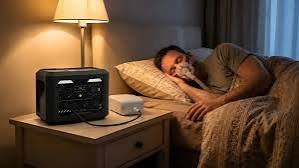

For people who rely on a CPAP machine during sleep, a power outage can create a serious inconvenience. CPAP therapy is designed to provide continuous airflow throughout the night, so having a reliable backup power solution can provide greater peace of mind when electricity is interrupted. A CPAP battery backup for power outages can help keep compatible equipment operating when the main electrical supply is unavailable.
Whether outages are caused by storms, grid problems, maintenance, or other unexpected events, choosing the right backup battery requires some planning. This guide explains how CPAP battery backups work, what features to consider, and how to prepare for an outage.
Why a CPAP Battery Backup Is Important
A CPAP machine normally receives electricity from a wall outlet. During a power outage, the device may stop operating unless another power source is available. Depending on the equipment and individual circumstances, an interruption can make it difficult to continue a normal sleep routine.
A dedicated battery backup provides an alternative source of electricity. Some batteries are specifically designed for CPAP machines, while others are portable power stations that can support CPAP equipment through compatible outputs.
Having backup power can also be useful when traveling, camping, staying in areas with unreliable electricity, or preparing for severe weather.
How CPAP Battery Backups Work
A CPAP battery backup stores electrical energy in an internal rechargeable battery. When the machine is connected to the battery and household power becomes unavailable, the battery can supply electricity to the CPAP device.
Different systems use different connections. Some CPAP batteries provide dedicated DC outputs, while others use AC outlets similar to household power. The correct connection depends on the CPAP model and its power requirements.
Before purchasing a battery, users should check the CPAP manufacturer’s specifications and the battery manufacturer’s compatibility information. Using the correct voltage, connector, and power method is important for reliable operation.
Choosing the Right Battery Capacity
Battery capacity is one of the most important factors to consider. It determines how much energy the battery can store and therefore how long it may be able to operate compatible equipment.
A battery with greater capacity generally has the potential to provide longer runtime, but actual operating time depends on several factors. These include the CPAP machine’s power consumption, pressure settings, humidifier use, heated tubing, battery efficiency, and environmental conditions.
For example, using a humidifier or heated tubing can increase electricity consumption. Someone who wants maximum backup runtime may therefore need a larger battery or may need to follow the manufacturer’s recommendations about optional features during battery operation.
Instead of relying only on advertised runtime, compare the battery’s watt-hour capacity with the CPAP manufacturer’s power requirements.
AC Versus DC Power
CPAP machines can often be powered through either AC or DC connections, depending on the model and accessories available.
An AC connection allows a compatible CPAP machine to use a standard-style electrical outlet on a portable power station. This can be convenient because the machine can often use its normal power adapter.
DC power can sometimes be more efficient because it may avoid the energy losses associated with converting battery power into AC and then converting it back through the CPAP adapter. However, compatibility is essential.
Users should never assume that any DC cable or adapter will work with their CPAP machine. Always verify the required voltage, connector type, polarity, and compatibility before connecting equipment.
How Long Can a CPAP Battery Last?
There is no single runtime that applies to every CPAP battery backup. Runtime depends on the capacity of the battery and the amount of electricity consumed by the CPAP setup.
A CPAP operating with minimal accessories may use less energy than a setup running a humidifier and heated tubing. Battery age, temperature, charging efficiency, and other connected devices can also affect performance.
For this reason, it is useful to calculate expected energy requirements before an emergency occurs. Users can also perform a controlled test with their compatible equipment, following manufacturer instructions, to understand how long their particular backup system can operate.
Features to Look For
When comparing a CPAP battery backup for power outages, several features can make a difference.
Sufficient Battery Capacity
Choose a battery with enough capacity for the expected outage duration. Consider whether you need backup for one night or potentially several nights.
CPAP Compatibility
Compatibility should be a top priority. Check the battery manufacturer’s compatibility list and the CPAP manufacturer’s specifications before purchasing.
Multiple Charging Options
Some portable batteries can be recharged from a wall outlet, vehicle, or compatible solar charging system. Multiple charging methods can be useful during extended outages.
Battery Status Display
A clear battery indicator can help you monitor remaining power and determine whether the battery needs recharging.
Portability
If the backup battery will also be used for travel, consider its size and weight. A compact battery can be easier to transport, while a larger unit may provide greater capacity.
Preparing for a Power Outage
Buying a battery is only part of emergency preparation. It is also important to keep the battery charged and ready for use.
Check the battery periodically and recharge it according to the manufacturer’s instructions. Store it in an appropriate environment and follow recommended temperature and storage conditions.
Keep the correct charging cables and CPAP adapters together with the backup battery so they are easy to locate. If you have multiple pieces of equipment, label cables when necessary to avoid confusion during an outage.
It can also be helpful to maintain a simple backup-power plan. Know where the battery is stored, how it connects to the CPAP machine, and how it can be recharged if the outage lasts longer than expected.
What About Portable Power Stations?
Portable power stations can be another option for CPAP users. These devices typically contain rechargeable batteries and offer multiple outputs, such as AC outlets, USB ports, and DC connections.
Their larger capacity can make them useful for extended outages, especially when other essential electronics also need power. However, they can be heavier than dedicated CPAP batteries.
If considering a portable power station, make sure its output specifications are appropriate for the CPAP equipment. Pay attention to continuous power ratings rather than focusing only on the battery’s total capacity.
Testing Your Backup System
A backup battery should not be tested for the first time during an actual outage. Test the complete setup beforehand according to the manufacturers’ instructions.
Check that the battery charges correctly, the CPAP operates normally, and all necessary cables fit securely. Monitoring the battery during a test can also provide a better understanding of expected runtime.
If anything appears unusual, stop using the setup and consult the appropriate manufacturer or qualified professional rather than experimenting with electrical connections.
Keeping a Backup Plan
Even a high-quality battery has limitations. A long-lasting outage may exceed its available capacity, particularly if additional equipment is connected.
For extended emergencies, consider how the battery can be recharged and where alternative power may be available. Depending on local conditions, this could include a vehicle-compatible charging method or another manufacturer-approved power source.
It is also wise to follow local emergency guidance and keep important medical equipment instructions readily accessible.
Conclusion
A reliable CPAP battery backup for power outages can be an important part of preparing for unexpected electricity interruptions. The right solution depends on the CPAP model, energy requirements, desired runtime, available connections, and whether the battery will be used at home or while traveling.
Before purchasing, compare battery capacity, compatibility, charging options, portability, and safety features. Test the complete setup in advance and keep it charged according to manufacturer recommendations.
With thoughtful preparation and a compatible backup power source, CPAP users can be better prepared for unexpected outages and other situations where normal electrical power is unavailable.