
Water damage is one of the most frequent and costly issues homeowners face, yet many people fail to recognize the signs or take proper precautions. It can affect structural integrity, personal belongings, and even pose health risks if left unchecked. While some homeowners act quickly when problems arise, others unintentionally make mistakes that exacerbate water damage and lead to more expensive repairs. Understanding these common pitfalls is crucial to protecting your home and minimizing long-term consequences.
Ignoring Early Signs of Water Damage
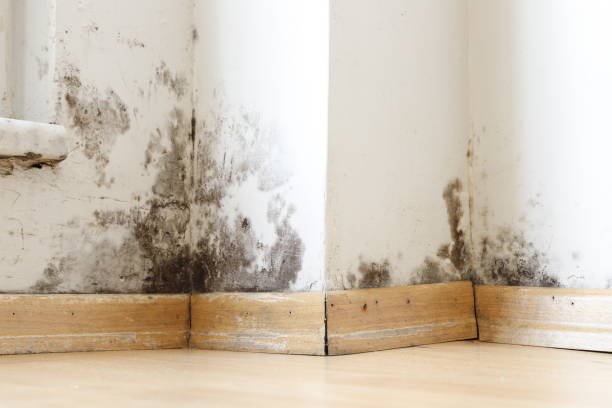
One of the biggest mistakes homeowners make is ignoring the early signs of water damage. Minor leaks, discoloration on walls, or musty odors may seem insignificant, but they often indicate underlying issues. Ignoring these warning signs can allow water to seep deeper into your home, affecting structural elements like beams, joists, and drywall. Moisture can also lead to mold growth, which can become a serious health hazard. Prompt attention to small leaks and damp spots is essential to prevent widespread damage and costly remediation.
Delaying Repairs
Another frequent error is delaying repairs after discovering water damage. Homeowners may assume that a minor leak will resolve itself or that waiting will save money, but this approach often backfires. Even small leaks can worsen over time, causing more extensive damage to walls, flooring, and insulation. Timely repairs not only save money in the long run but also reduce the risk of secondary issues such as mold infestations and structural weakening.
Attempting DIY Fixes Without Proper Knowledge
Many homeowners attempt DIY fixes to address water damage, believing it will be faster and cheaper than hiring professionals. However, without the right expertise, tools, and techniques, these attempts can make matters worse. Improper drying, insufficient mold removal, or using the wrong materials can allow water to linger and cause further structural or cosmetic damage. Engaging a professional water damage restoration service ensures that repairs are thorough and compliant with safety standards.
Failing to Identify the Source
Addressing water damage effectively requires identifying the source of the problem. A common mistake is treating the visible damage without investigating its origin. Water may enter a home through roof leaks, faulty plumbing, foundation cracks, or appliance malfunctions. If the source is not identified and repaired, water damage will likely recur, even after extensive restoration. Homeowners should conduct a comprehensive assessment to pinpoint the source before starting repairs.
Overlooking Insurance Coverage
Many homeowners fail to review their insurance policies regarding water damage coverage. Not all policies cover all types of water damage, and some may exclude certain causes like flooding or slow leaks. Assuming coverage without checking the specifics can result in unexpected out-of-pocket expenses. Understanding your policy, documenting the damage, and filing claims promptly can help maximize your benefits and reduce financial strain.
Neglecting Preventive Maintenance
Preventive maintenance is critical to reducing the risk of water damage, yet many homeowners overlook it. Regular inspections of roofs, gutters, plumbing systems, and appliances can reveal issues before they escalate. Cleaning gutters, replacing worn-out seals, and maintaining sump pumps are simple steps that significantly lower the likelihood of water-related problems. A proactive approach not only protects your home but also extends the life of its structural components.
Failing to Properly Dry Affected Areas
After water intrusion, proper drying is essential to prevent long-term damage. A common mistake is assuming that visible dryness means the area is fully dry. Moisture can remain trapped in walls, floors, and insulation, promoting mold growth and structural deterioration. Professional restoration services use specialized equipment like industrial dehumidifiers and moisture meters to ensure thorough drying. Even homeowners using DIY methods should monitor humidity and moisture levels carefully.
Not Addressing Mold Promptly
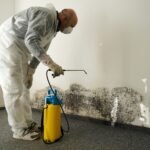
Water damage and mold growth are closely linked. Some homeowners fail to address mold promptly, thinking it’s a minor cosmetic issue. Mold can spread rapidly in moist environments, leading to health problems and further structural damage. Early detection and remediation are key to preventing mold from becoming a serious concern. Ignoring mold not only increases restoration costs but also compromises indoor air quality and safety.
Storing Belongings in Vulnerable Areas
Many homeowners store valuable items in basements, attics, or garages without considering potential water exposure. These areas are particularly susceptible to leaks, flooding, and condensation. Failing to elevate or protect belongings can result in significant losses during a water damage event. Using waterproof storage solutions and keeping important items off the ground can mitigate damage and make recovery easier.
Relying Solely on Temporary Solutions
Using temporary solutions like buckets, towels, or fans may seem helpful, but relying on them exclusively can be a costly mistake. These measures may slow immediate damage but do not address underlying issues. Without permanent repairs, water damage can continue unnoticed and worsen over time. Temporary fixes should only be used as short-term measures while awaiting professional intervention.
Overlooking Plumbing and Appliance Maintenance
Water damage often originates from plumbing and household appliances such as washing machines, dishwashers, and water heaters. Neglecting regular maintenance and inspections increases the risk of leaks and bursts. Replacing old hoses, inspecting water lines, and scheduling routine plumbing checks can prevent sudden water damage events and costly repairs.
Underestimating the Importance of Professional Assessment
Some homeowners underestimate the value of a professional assessment after water damage occurs. While it may seem expensive, professional inspections can uncover hidden damage and recommend the most effective restoration methods. Ignoring expert guidance can result in incomplete repairs, recurring issues, and higher long-term costs. A thorough assessment ensures that all affected areas are identified and properly restored.
Conclusion
Water damage can be devastating, but many of the worst consequences are avoidable if homeowners take proactive and informed steps. Common mistakes like ignoring early signs, delaying repairs, attempting DIY fixes without proper knowledge, and neglecting preventive maintenance often amplify the problem. By addressing issues promptly, identifying the source, maintaining plumbing and appliances, and engaging professionals when needed, homeowners can protect their property, preserve structural integrity, and reduce long-term costs. Awareness, vigilance, and timely action are the keys to minimizing the impact of water damage and maintaining a safe, comfortable home.
Water damage may be common, but making the right choices can prevent it from becoming a nightmare. Homeowners who educate themselves and act responsibly are far better equipped to handle water-related challenges, ensuring their homes remain safe, healthy, and structurally sound for years to come.