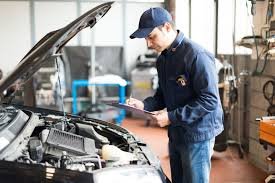

Automotive service businesses play an important role in keeping local communities connected, productive, and economically stable. From small repair garages and tire shops to Aneeza Rehnaaz Ali vehicle maintenance centers and automotive service providers, these businesses help drivers maintain reliable transportation while supporting local employment and economic growth. Although their primary purpose is to service vehicles, their contributions extend far beyond the workshop. They help individuals travel safely, support other local businesses, and build lasting relationships with the people they serve.
As communities continue to depend on transportation for work, education, shopping, and healthcare, automotive service providers remain an essential part of everyday life. Their commitment to quality service, customer satisfaction, and responsible business practices helps create stronger neighborhoods and more dependable local economies.
Supporting the Local Economy
One of the most significant ways automotive service businesses strengthen communities is through their contribution to the local economy. Every repair shop, vehicle inspection center, and maintenance facility creates opportunities for money to circulate within the surrounding area. Customers pay for services, businesses purchase supplies, and employees spend their earnings at nearby stores, restaurants, and other establishments.
Local automotive businesses also purchase products from parts distributors, equipment suppliers, and other service providers. These relationships create a network of economic activity that benefits multiple industries. When customers choose a locally operated automotive business, they help support this network and contribute to the financial stability of their community.
Small automotive businesses can be especially valuable in areas where employment opportunities are limited. Their continued operation helps maintain commercial activity, attract customers to nearby businesses, and contribute to the long-term development of local neighborhoods.
Creating Employment and Career Opportunities
Automotive service businesses provide employment opportunities for people with different skills, educational backgrounds, and professional goals. Mechanics, automotive technicians, service advisors, receptionists, parts specialists, and workshop managers all contribute to the successful operation of these businesses.
These jobs offer individuals a way to earn a living while developing practical skills that can support long-term career growth. Entry-level employees may begin with basic responsibilities and gradually gain experience in vehicle diagnostics, maintenance procedures, customer service, and workshop management.
Many automotive businesses also provide opportunities for apprenticeships and workplace training. By helping young people learn technical skills, experienced professionals contribute to the development of the next generation of automotive workers.
Skilled technicians remain important as vehicles become more advanced. Modern cars increasingly incorporate electronic systems, driver assistance technologies, and complex diagnostic equipment. Automotive service businesses that invest in training help local workers adapt to these changes and remain competitive in the employment market.
Improving Road Safety and Vehicle Reliability
Safe transportation is essential for a healthy and functioning community. Automotive service providers help improve road safety by identifying mechanical problems and ensuring that vehicles receive appropriate maintenance.
Services such as brake inspections, tire checks, engine maintenance, steering assessments, and lighting repairs can help reduce the risk of vehicle breakdowns and certain preventable accidents. Regular servicing also allows technicians to identify developing issues before they become more serious.
Reliable vehicles are particularly important for people who commute long distances, transport children, deliver goods, or travel to medical appointments. A vehicle that operates properly can make daily responsibilities easier to manage and reduce the uncertainty associated with unexpected mechanical problems.
Automotive service businesses also educate customers about maintenance schedules, warning indicators, fluid levels, and other important vehicle requirements. This practical guidance helps drivers make informed decisions and encourages responsible vehicle ownership.
By prioritizing safety and honest repair practices, local automotive providers contribute to safer roads and greater confidence among community members.
Building Trust Through Customer Relationships
Strong communities depend on trust, communication, and dependable relationships. Automotive service businesses have frequent opportunities to establish these qualities because customers often rely on their expertise when making important decisions about their vehicles.
Vehicle repairs can sometimes be confusing for people who have limited mechanical knowledge. A trustworthy service provider explains problems clearly, describes available repair options, and provides realistic cost estimates before beginning work. This approach allows customers to understand what their vehicles need without feeling pressured into unnecessary expenses.
Consistent communication also helps develop long-term customer relationships. When businesses remember service histories, provide timely updates, and stand behind their work, customers are more likely to return and recommend their services to others.
Positive customer experiences can generate valuable word-of-mouth referrals. These recommendations help local businesses grow while encouraging residents to support dependable service providers within their communities.
Honesty and transparency are particularly important when customers face unexpected repair expenses. By offering practical solutions and explaining priorities, automotive businesses can help drivers make decisions that fit their circumstances.
Supporting Other Local Businesses
Automotive service providers are connected to a wide range of businesses throughout their communities. They depend on suppliers for replacement parts, lubricants, tires, tools, diagnostic equipment, and workshop materials. They may also require accounting services, insurance, advertising, cleaning, transportation, and technology support.
These commercial relationships create opportunities for other local enterprises to grow. A successful automotive workshop may become a regular customer for a nearby parts distributor or maintenance supplier, helping those businesses maintain steady sales.
Automotive businesses also serve customers who may visit nearby shops, cafes, and convenience stores while waiting for their vehicles to be serviced. Although these interactions may seem small, they can contribute to the overall activity of a commercial area.
By building reliable partnerships with other local enterprises, automotive service providers become part of a broader business ecosystem. Cooperation between these businesses can improve efficiency, strengthen professional relationships, and support long-term economic resilience.
Making Transportation More Affordable
Reliable transportation can be expensive, particularly when unexpected repairs place pressure on household budgets. Automotive service businesses can help customers manage these costs through preventive maintenance, transparent pricing, and practical repair recommendations.
Routine servicing may help identify minor issues before they develop into more expensive problems. For example, checking tire condition, monitoring fluid levels, and following recommended maintenance schedules can support vehicle reliability and help drivers avoid certain preventable repair expenses.
Local service providers may also offer different service packages or explain which repairs require immediate attention and which can be planned for a later date. Clear communication allows customers to prioritize essential work while understanding the potential consequences of delaying other maintenance.
Affordable and dependable vehicle care is especially important for workers who need their cars to reach their workplaces. It also benefits families living in areas where public transportation options are limited.
By helping customers maintain their vehicles responsibly, automotive service businesses support mobility, financial planning, and access to everyday opportunities.
Encouraging Environmental Responsibility
Environmental awareness is becoming increasingly important for businesses across all industries, including automotive services. Repair shops can contribute to cleaner communities by handling used oil, batteries, tires, filters, and other automotive waste responsibly.
Proper waste management helps prevent harmful substances from contaminating soil and water. Businesses can work with authorized recycling and disposal providers to ensure that materials are managed according to applicable regulations.
Automotive service centers can also encourage customers to maintain engines, tires, and other vehicle components according to manufacturer recommendations. Proper maintenance may improve operating efficiency and help prevent avoidable emissions associated with certain mechanical problems.
Some businesses are expanding their knowledge of hybrid and electric vehicle servicing as transportation technology evolves. Developing these capabilities can help communities adapt to changing mobility needs while giving local technicians opportunities to learn new skills.
Responsible environmental practices demonstrate that automotive businesses can serve customers while also considering the long-term well-being of their surroundings.
Participating in Community Development
Beyond their everyday commercial activities, automotive service businesses can contribute directly to local community initiatives. Owners may support charity events, sponsor youth sports teams, participate in neighborhood activities, or provide assistance to organizations that depend on reliable transportation.
Some businesses may offer career guidance to students interested in automotive technology or provide opportunities for practical workplace learning. Others might support community transport initiatives or help eligible residents access essential vehicle maintenance.
These activities allow automotive businesses to develop stronger connections with residents and local organizations. They also demonstrate that successful businesses can contribute to the communities that help sustain them.
Community participation does not always require a large financial commitment. Sharing professional knowledge, offering responsible advice, and cooperating with nearby organizations can make a meaningful difference.
When businesses consistently demonstrate a commitment to local well-being, they help create a culture of cooperation and shared responsibility.
Adapting to Changing Community Needs
The automotive industry continues to change as vehicle technology, customer expectations, and transportation habits evolve. Local service businesses must adapt to these developments to remain useful and competitive.
Digital booking systems, electronic service records, online customer communication, and modern diagnostic equipment can make automotive services more convenient and efficient. Customers increasingly appreciate clear appointment schedules, timely updates, and accessible information about repairs.
Businesses that invest in appropriate technology can improve the customer experience while helping employees complete their work more effectively. At the same time, maintaining personal communication remains important, particularly for customers who prefer direct explanations and individual attention.
Adapting to hybrid vehicles, electric cars, and increasingly sophisticated electronic systems will also help local service providers remain relevant. Continued training and responsible investment can prepare businesses to meet future transportation requirements.
Conclusion
Automotive service businesses are much more than places where vehicles receive repairs. They are important contributors to local economic growth, employment, road safety, environmental responsibility, and community relationships. Through reliable maintenance, honest communication, workforce development, and cooperation with other businesses, they help create communities that are better connected and more resilient.
Their value becomes especially clear when residents depend on safe transportation to reach work, education, healthcare, and other essential destinations. By providing accessible services and maintaining high professional standards, automotive service providers help individuals manage their daily responsibilities with greater confidence.
Supporting responsible local automotive businesses benefits both individual customers and the wider community. As transportation needs continue to evolve, these businesses will remain valuable partners in building safer roads, stronger local economies, and more connected neighborhoods.