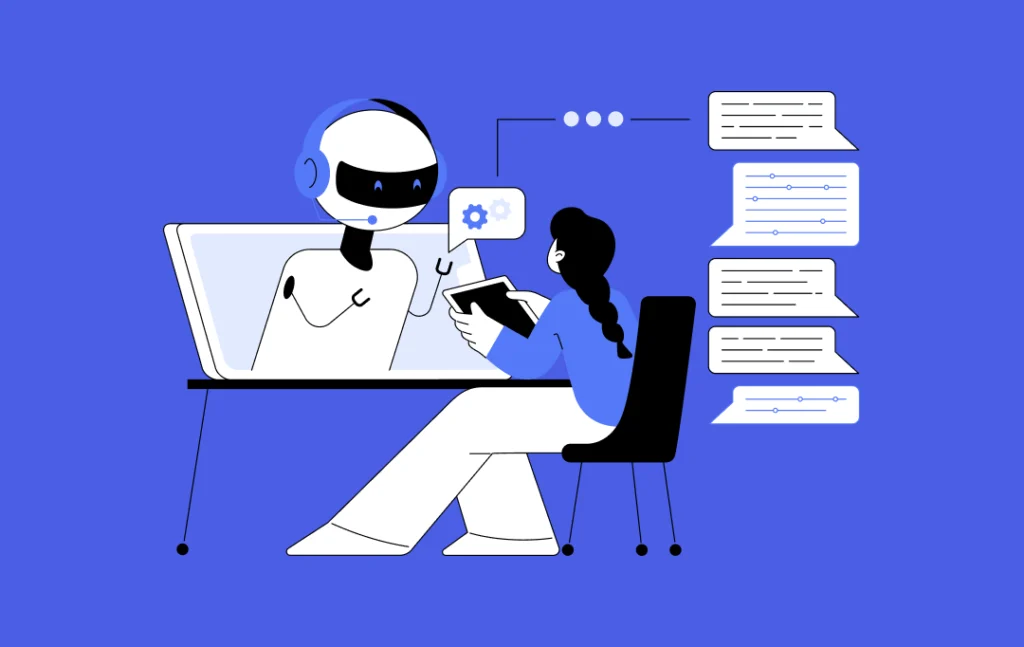

Hiring has always been an important part of building a successful organization, but traditional recruitment can be time-consuming, repetitive, and difficult to scale. As companies receive hundreds or even thousands of applications for open positions, recruitment teams need better ways to identify qualified candidates while maintaining a positive candidate experience. This is where artificial intelligence recruiters are changing the way modern hiring works.
Artificial intelligence can support recruiters by automating repetitive activities, analyzing large volumes of candidate information, improving communication, and helping hiring teams organize their recruitment processes. Rather than replacing human recruiters completely, AI-powered recruitment tools can work alongside professionals to make hiring more structured and efficient.
The Growing Role of AI in Recruitment
Recruitment involves many administrative and analytical tasks. Recruiters may need to review resumes, search for candidates, schedule interviews, send follow-up messages, and maintain candidate records. Managing all these responsibilities manually can take significant time.
Artificial intelligence recruiters use advanced technologies to assist with these activities. AI-powered systems can process information quickly and help recruitment teams identify candidates whose qualifications appear relevant to a particular position.
This can be especially valuable for organizations with frequent hiring needs. By automating repetitive processes, recruiters can spend more time communicating with candidates, understanding hiring requirements, and supporting hiring managers.
Automating Resume Screening
One of the most common applications of AI in recruitment is resume screening. When a company receives a large number of applications, manually reviewing every resume can be challenging.
AI systems can scan resumes and applications for information such as skills, experience, education, certifications, and other job-related qualifications. Recruiters can then review organized candidate profiles rather than starting from hundreds of unstructured applications.
Automation does not eliminate the need for human review. Instead, it can help recruiters manage large applicant pools more efficiently and focus attention on candidates who meet defined job requirements.
Improving Candidate Sourcing
Finding suitable candidates is another area where artificial intelligence can support recruitment teams. AI-powered tools can analyze candidate databases and identify profiles that may match specific job requirements.
Artificial intelligence recruiters can help identify potential candidates based on professional experience, technical skills, education, and other relevant information. This can make proactive sourcing more organized and reduce the amount of manual searching required from recruitment professionals.
AI-supported sourcing can also help companies maintain talent pipelines. Instead of beginning the search from scratch whenever a position becomes available, recruiters can organize and revisit potential candidates who have previously shown relevant qualifications.
Matching Skills With Job Requirements
A successful hiring process depends on finding alignment between a candidate’s capabilities and an organization’s needs. AI technology can assist with this process by comparing job descriptions with candidate information.
For example, a recruitment system may identify technical skills, years of experience, certifications, or other qualifications that are relevant to an open position. Recruiters can use these insights as one input when deciding which candidates should move forward.
This approach can make candidate evaluation more consistent, provided that organizations establish clear and job-related criteria.
Faster Communication With Candidates
Communication is a major part of the recruitment experience. Candidates often expect timely updates after submitting applications, scheduling interviews, or completing recruitment stages.
AI-powered recruitment platforms can automate certain communication tasks. Chatbots and automated systems may answer common questions, provide application updates, collect basic information, or help candidates schedule interviews.
This can reduce delays and allow recruiters to focus on conversations that require personal attention.
Supporting Interview Scheduling
Interview scheduling can involve multiple emails and calendar exchanges between candidates, recruiters, and hiring managers. AI-based scheduling tools can simplify this process by coordinating available time slots.
Candidates may be able to select suitable times, while automated systems manage calendar information and confirmations. This reduces administrative work and can create a smoother recruitment process.
Making Recruitment More Data-Driven
Modern recruitment increasingly relies on data. Organizations want to understand where candidates come from, how long positions remain open, which recruitment channels generate applicants, and where candidates leave the hiring process.
Artificial intelligence recruiters can help analyze recruitment information and identify patterns within large datasets. These insights may help organizations understand their hiring workflows and identify areas where processes could be improved.
For example, recruitment teams may discover that a particular stage consistently creates delays. They can then investigate the cause and consider process changes.
Reducing Repetitive Recruitment Tasks
Recruiters perform many repetitive activities every day. Data entry, application organization, interview reminders, candidate searches, and routine communications can consume valuable working hours.
AI automation can handle some of these tasks according to predefined workflows. This allows recruiters to dedicate more attention to relationship building, candidate engagement, employer branding, and communication with hiring managers.
The goal is not simply to make recruitment faster. Effective automation can also help recruitment professionals spend more time on tasks where human judgment and interpersonal skills matter.
Maintaining Human Oversight
Although AI can improve many recruitment activities, human oversight remains important. Hiring decisions can affect people’s careers and an organization’s workforce, so automated recommendations should be reviewed carefully.
AI systems depend on the information and criteria used to develop and operate them. If data is incomplete or recruitment criteria are poorly designed, automated systems may produce unsuitable recommendations.
Recruiters should therefore review AI-supported processes regularly and ensure that employment decisions are based on relevant qualifications and appropriate evaluation methods.
Protecting Candidate Information
Recruitment involves sensitive personal and professional information. Resumes, contact details, employment histories, interview notes, and other candidate data need appropriate protection.
Organizations using AI recruitment technology should establish clear policies for data access, storage, security, and retention. Recruitment teams should also understand how their technology providers handle candidate information.
Strong data governance can help organizations use AI responsibly while maintaining candidate trust.
The Future of AI-Powered Hiring
The use of artificial intelligence in recruitment is likely to continue expanding as organizations search for more efficient ways to manage talent acquisition. Future systems may provide increasingly sophisticated support for sourcing, communication, workforce planning, and recruitment analytics.
However, the most effective approach is likely to combine technology with human expertise. AI can process information and automate repetitive work, while recruiters provide context, communication, judgment, and relationship-building skills.
Artificial intelligence recruiters are therefore becoming an important part of modern hiring strategies. They can help organizations manage large applicant pools, streamline recruitment workflows, improve communication, and make better use of recruitment data.
Conclusion
Artificial intelligence is reshaping recruitment by introducing automation, faster candidate processing, improved sourcing, and data-supported workflows. Artificial intelligence recruiters can help businesses handle repetitive hiring activities while allowing human professionals to focus on the personal and strategic aspects of recruitment.
As organizations continue adopting AI-powered recruitment technology, responsible implementation will remain essential. Human oversight, relevant hiring criteria, data protection, and transparent processes can help ensure that technology supports rather than replaces thoughtful recruitment.
When used effectively, AI can become a practical recruitment partner—helping hiring teams work more efficiently while creating a more organized experience for both employers and candidates.