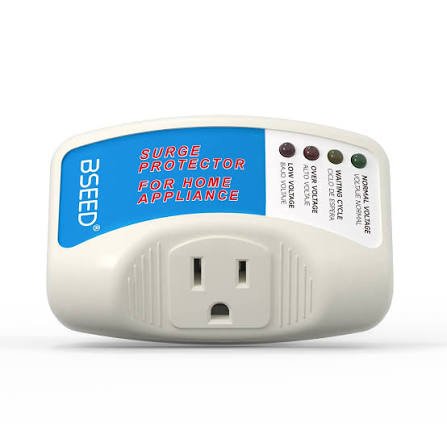

Choosing the right electrical protection device is an important decision for homes, offices, workshops, and commercial facilities. Modern electronic equipment depends on stable electricity, yet power disturbances can occur without warning. Voltage spikes, electrical surges, lightning-related events, and switching operations can all place connected devices at risk. A reliable Surge Protector can help reduce the impact of these sudden increases in voltage and provide an additional layer of protection for valuable electronics.
However, not every product offers the same level of protection. Some models are designed for basic household use, while others are built for computers, entertainment systems, appliances, networking equipment, or sensitive commercial electronics. Understanding the most important features can make it easier to choose a product that matches your needs.
Understanding How a Surge Protector Works
A surge protector is designed to limit excessive voltage and redirect or absorb transient electrical energy before it reaches connected equipment. One of the most common components used for this purpose is a metal oxide varistor, commonly known as an MOV.
When normal voltage is present, the protection component generally remains inactive. When voltage suddenly rises beyond an acceptable level, it responds by providing a path that helps divert excess energy away from connected equipment.
It is important to understand that surge protection is not the same as voltage regulation or battery backup. A surge protector primarily addresses short-duration voltage spikes, while an uninterruptible power supply can provide temporary power during an outage. Choosing the correct technology depends on the electrical conditions and equipment being protected.
Joule Rating and Energy Absorption
One of the first specifications worth examining is the joule rating. This figure indicates how much surge energy the device is designed to handle over its operating life.
In general, a higher joule rating can indicate greater energy-handling capacity. For sensitive electronics or expensive equipment, selecting a product with an appropriate energy rating can provide greater confidence than choosing an extremely basic model.
However, the joule rating should not be considered in isolation. A product with a high rating may still be unsuitable if other specifications, such as response performance, protection modes, or electrical compatibility, do not meet the application’s requirements.
For everyday electronics, it is useful to compare several models and determine whether their energy-handling specifications are appropriate for the equipment being connected.
Clamping Voltage
Clamping voltage is another important specification. It refers to the voltage level at which the protection mechanism begins responding to an excessive voltage condition.
A lower clamping voltage can mean that the protector begins limiting excessive voltage at a lower threshold. This can be valuable when protecting sensitive electronic devices.
Consumers should compare the clamping voltage listed by manufacturers rather than choosing a product based only on appearance or the number of outlets. Understanding this specification helps buyers evaluate how the device is designed to respond when abnormal voltage occurs.
Response Time
Electronic equipment can be affected by very rapid electrical disturbances. For this reason, response time is another feature worth reviewing.
Many modern protection devices are designed to respond extremely quickly to transient voltage events. While response-time figures can be difficult for ordinary consumers to evaluate, checking manufacturer specifications can help distinguish a purpose-built protection device from a simple power strip.
A reliable product should be designed specifically for surge protection rather than simply providing additional outlets.
Number and Type of Outlets
The number of outlets should match the equipment you plan to connect. A home office might require outlets for a computer, monitor, printer, router, speakers, and other accessories. A home entertainment setup may require connections for a television, gaming console, streaming device, sound system, and other components.
Outlet spacing also matters. Large power adapters can cover neighboring outlets, reducing the practical capacity of the device. Some models provide wider spacing between selected outlets to accommodate bulky plugs.
In addition, certain surge protectors include USB-A or USB-C charging ports. These can be convenient for smartphones, tablets, and other devices, but users should check the charging specifications before relying on these ports for high-power equipment.
Protection Modes
A quality Surge Protector may provide protection across different electrical lines, depending on its design. Some products are engineered to address line-to-neutral, line-to-ground, and neutral-to-ground surge conditions.
The exact protection configuration should be considered according to the electrical system and intended application. Buyers should also look for clear technical documentation rather than assuming that every device offers identical protection.
Understanding protection modes is especially important for sensitive equipment and environments where electrical disturbances are more likely.
Indicator Lights and Monitoring
Indicator lights can make a protection device easier to monitor. Some models include separate indicators showing whether surge protection is active or whether the device is properly grounded.
These features can provide useful visual feedback. If an indicator shows that protection has been depleted or the grounding condition is not correct, the user can investigate the problem instead of continuing to rely on a device that may no longer provide its intended protection.
For this reason, clear status indicators can be a practical feature for both residential and professional applications.
Circuit Breaker and Overload Protection
Surge protection is only one part of electrical safety. Overload protection can also be important.
Some surge protectors include an integrated circuit breaker that can interrupt power when connected equipment draws excessive current. This can help prevent the power strip from continuing to operate under an overload condition.
Users should still avoid connecting too many high-power appliances to a single device. A protection device should never be treated as a substitute for proper electrical installation or safe load management.
Build Quality and Durability
Physical construction can also influence the reliability of a Surge Protector. A strong enclosure, secure outlets, durable wiring, and quality internal components can contribute to long-term usability.
For office, workshop, or industrial environments, durability may be particularly important because equipment can be exposed to frequent plugging and unplugging, dust, vibration, or other demanding conditions.
A compact consumer model may be perfectly suitable for a desk, while a more rugged solution may be appropriate for professional environments. The best choice depends on where and how the device will be used.
Warranty and Equipment Protection Policy
Warranty coverage can provide additional confidence when purchasing electrical protection equipment. Manufacturers may offer different warranty periods depending on the product category and market.
Some products also advertise connected-equipment protection policies. These policies can vary significantly in their terms, conditions, exclusions, and claim requirements.
Consumers should read the actual warranty documentation rather than assuming that a large advertised coverage amount guarantees compensation in every situation.
Certification and Safety Standards
Safety certification is another feature that should not be overlooked. A reputable Surge Protector should be manufactured and tested according to applicable electrical safety requirements for its intended market.
Look for recognized certification marks and verify that the product information is clear and traceable. Products with vague specifications, unclear manufacturers, or suspiciously low prices may deserve additional scrutiny.
Proper certification does not eliminate every electrical risk, but it can help buyers identify products that have been evaluated against relevant safety requirements.
Choosing the Right Surge Protector for Your Needs
The best Surge Protector depends on the equipment being protected and the environment in which it will be used. A basic household setup may need a compact model with several outlets, overload protection, and appropriate surge-handling capacity. A home office may benefit from additional USB charging ports and networking or coaxial protection where relevant.
For sensitive electronics, buyers should pay closer attention to joule rating, clamping voltage, protection modes, response characteristics, and manufacturer documentation. Professional environments may require more specialized electrical protection designed around the facility’s specific power requirements.
It is also important to remember that no plug-in device can guarantee protection against every possible electrical event. Major electrical faults, direct lightning strikes, improper wiring, and other severe conditions may require broader protection strategies.
Final Thoughts
Selecting a reliable Surge Protector requires more than counting the number of outlets. Joule rating, clamping voltage, response time, protection modes, overload protection, status indicators, build quality, certifications, and warranty terms can all influence the overall value of a product.
By comparing these features and considering the specific equipment being protected, buyers can make a more informed decision. The goal is to choose protection that fits the electrical environment, handles the expected workload, and provides dependable support for the electronics that matter most.