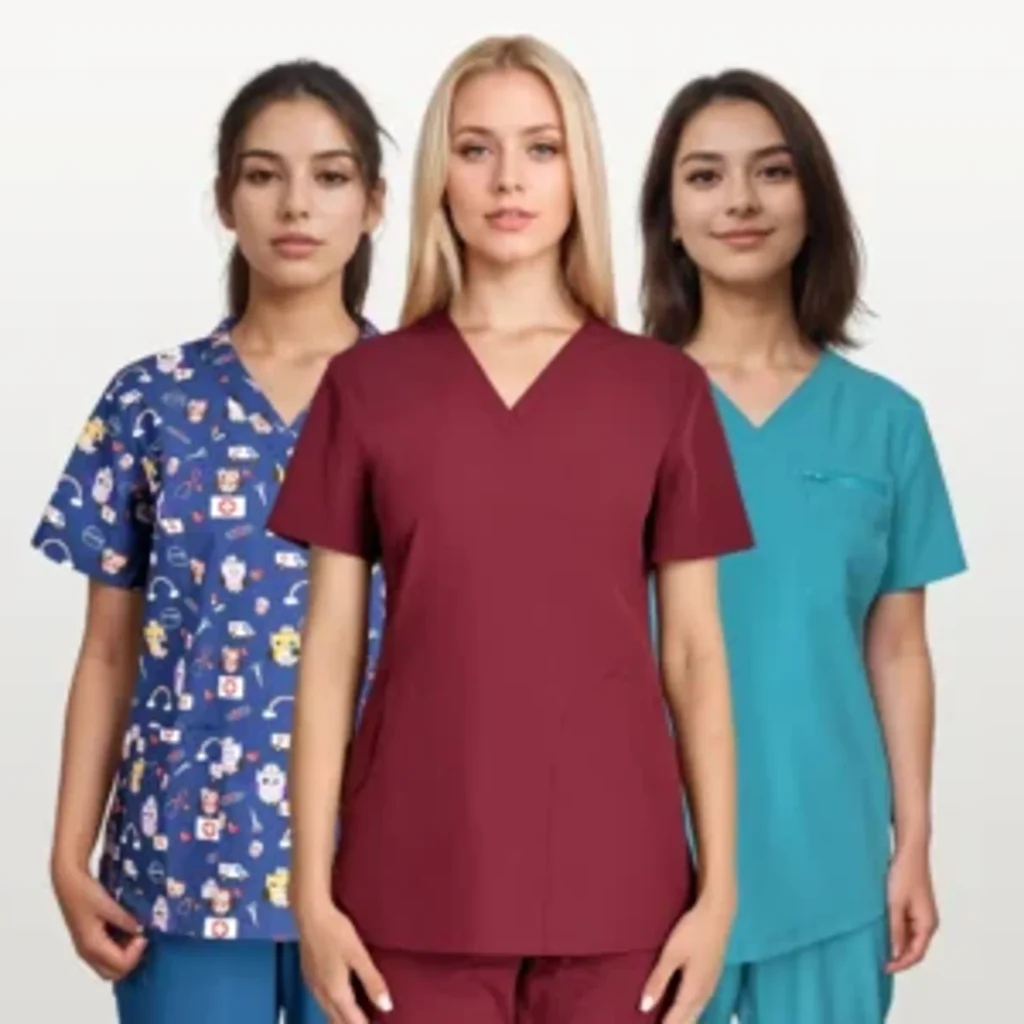

The global healthcare apparel market is experiencing rapid expansion, driven by an expanding medical workforce and an increasing emphasis on comfortable, functional, and stylish workwear. For entrepreneurs, apparel brand owners, and medical supply distributors, launching a line of private label medical scrubs represents a lucrative business opportunity. By creating a custom brand tailored to modern healthcare professionals, you gain full control over design, fabric selection, branding, and profit margins.
Building a successful brand requires more than just placing a logo on generic garments. It demands a clear understanding of the healthcare industry, thoughtful product design, reliable sourcing, and an effective market positioning strategy.
Understanding Private Label Medical Scrubs
Private labeling involves partnering with a manufacturer who produces blank or custom-manufactured garments, which you then brand and sell under your own name. When it comes to private label medical scrubs, this model gives you the flexibility to build brand equity without needing to own or operate a manufacturing facility.
Why Choose Private Labeling over Wholesale Resell?
- Brand Ownership: You build equity in your own brand identity rather than promoting another company’s trademark.
- Higher Profit Margins: Eliminating middleman markups allows for significantly higher gross margins on every sale.
- Product Differentiation: Customizing fabric blends, color palettes, pocket layouts, and sizing enables your line to solve specific pain points for healthcare workers.
- Customer Loyalty: Delivering high-quality private label medical scrubs creates repeat customers who associate comfort and durability directly with your brand name.
Phase 1: Market Research and Defining Your Niche
Before designing your first set of private label medical scrubs, you must analyze your target demographic. The medical uniform industry is broad, catering to nurses, physicians, dentists, veterinarians, medical spa staff, and aesthetic clinic technicians.
Identifying Your Target Audience
Different healthcare professionals require different product features:
- Hospital Staff and ER Nurses: Prioritize fluid resistance, high mobility, multiple deep utility pockets, and maximum durability through industrial washings.
- Dental and Private Clinic Teams: Seek modern, tailored fits, stylish silhouettes, and cohesive group ordering options.
- MedSpas and Aesthetics Centers: Demand premium aesthetic design, rich color options, luxury fabric textures, and elegant minimalist cuts.
Analyzing Competitors
Examine existing scrub brands to identify market gaps. Note their fabric compositions, pricing structures, size offerings, and customer reviews. Pinpoint common complaints—such as lack of stretch, shrinking, fading, or uncomfortable waistbands—and ensure your private label medical scrubs solve those specific issues.
Phase 2: Material Selection and Garment Design
The success of your healthcare apparel line hinges on product performance. Medical professionals work long, physically demanding shifts, making garment comfort and longevity non-negotiable.
Fabric Innovation and Material Blends
Selecting the right fabric blend is critical when manufacturing private label medical scrubs. Modern healthcare apparel relies on high-performance synthetic-blend textiles:
- Polyester, Rayon, and Spandex Blends: The industry standard for modern scrubs. Polyester offers strength and wrinkle resistance, Rayon adds softness and breathability, and Spandex supplies crucial 4-way stretch.
- Anti-Microbial Treatments: Fabric finishes treated with silver ion technology or other antimicrobial agents help suppress bacterial growth and odor buildup.
- Moisture-Wicking Properties: Technical weaves pull moisture away from the skin, keeping wearers cool during intense shifts.
- Liquid-Repellent Coatings: Durable Water Repellent (DWR) finishes help body fluids slide off garments rather than soaking into the fibers.
Functional Design Features
Incorporate practical, deliberate details into your scrub tops and pants:
- Pocket Architecture: Dedicated slots for scissors, pens, smartphones, and telemetry devices.
- Ergonomic Seaming: Princess seams, raglan sleeves, and gusseted crotches enhance flexibility and ease of movement.
- Comfort Waistbands: Flat-front waistbands with interior drawstrings or yoga-style elastic bands prevent slippage and chafing throughout the day.
Phase 3: Finding the Right Manufacturing Partner
Sourcing a dependable factory is one of the most critical steps in establishing your private label medical scrubs business. Your supplier will directly impact your product quality, profit margins, and inventory timelines.
Sourcing Options: Domestic vs. Overseas
- Domestic Manufacturers: Offer faster shipping, lower minimum order quantities (MOQs), easier communication, and higher quality assurance standards. However, production costs per unit are typically higher.
- Overseas Manufacturers: Provide significantly lower unit costs and higher production volume capacity, though lead times are longer, shipping costs are higher, and communication requires careful management.
Evaluating Potential Suppliers
When vetting garment factories for your line of private label medical scrubs, assess the following criteria:
- Experience in technical garment sewing and medical textile manufacturing.
- Minimum Order Quantities (MOQs) per style, color, and size.
- Prototyping capabilities and sample turnaround times.
- Ethical labor practices and factory certifications (e.g., WRAP, OEKO-TEX, ISO).
Phase 4: Branding, Labeling, and Quality Control
Branding transforms quality garments into a recognized market presence. Customizing your private label medical scrubs requires precise execution across every touchpoint.
Custom Branding Details
- Heat-Transfer Labels: Replacing traditional woven neck tags with tagless heat-transfer logos enhances skin comfort for long shifts.
- Custom Hardware: Branded drawstrings, metal aglets, snap buttons, and zipper pulls elevate perceived product value.
- Embroidery and Cresting: Offering institutional customers custom logo embroidery builds corporate supply relationships with clinics and hospitals.
Implementing Rigorous Quality Assurance
Prior to bulk production, request pre-production samples (PPS) to test color fastness, shrinkage after multiple hot wash cycles, seam strength, and fit accuracy. Establish a quality control protocol with your manufacturer to inspect garments before shipment.
Phase 5: Go-to-Market Strategy and Sales Channels
With production established, launch your brand using a multi-channel sales strategy designed for maximum reach.
E-Commerce Direct-to-Consumer (D2C)
Launch an optimized online store featuring high-resolution product photography, detailed fit guides, and fabric performance breakdowns. Highlight customer testimonials and provide seamless return policies to build confidence among first-time buyers of your private label medical scrubs.
Business-to-Business (B2B) Sales
Expand revenue by targeting group orders:
- Reach out directly to private dental practices, veterinary clinics, medical spas, and urgent care networks.
- Offer bulk ordering discounts, customized group portals, and corporate embroidery services.
- Partner with local medical uniform retailers and regional distributors.
Scaling Your Healthcare Apparel Brand
Building a thriving brand around private label medical scrubs relies on continuous product refinement, responsive customer support, and consistent inventory management. By focusing on high-grade materials, ergonomic design, and strategic marketing, your private label line can establish a lasting footprint in the healthcare apparel industry.