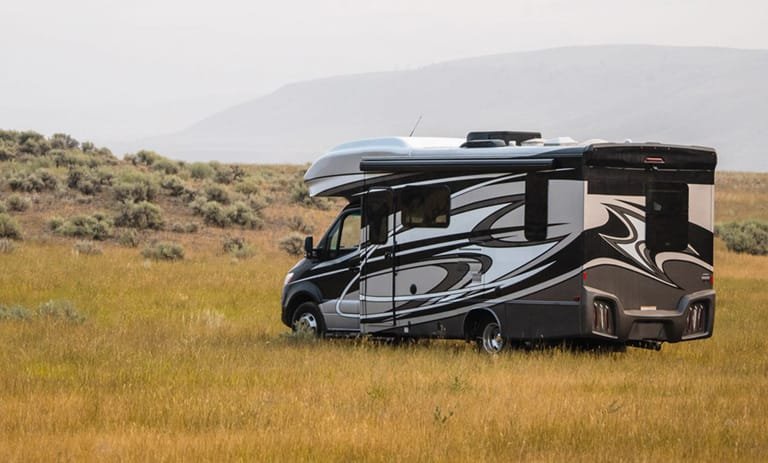

Planning a road trip is one of the most exciting ways to explore new destinations, and choosing campervan hire gives travelers the freedom to travel at their own pace while enjoying the comforts of home on the road. Whether you are heading to the mountains, the coastline, or scenic countryside, proper preparation can make all the difference between a relaxing holiday and an unexpected hassle.
A well-planned checklist ensures you have everything you need before setting off. From selecting the right vehicle to packing wisely and understanding rental agreements, every detail contributes to a stress-free adventure. This guide covers everything you should consider before, during, and after your campervan hire experience.
Why Choose Campervan Hire for Your Next Adventure?
One of the biggest advantages of campervan hire is flexibility. Instead of sticking to hotel reservations and rigid travel schedules, you can explore multiple destinations while carrying your accommodation with you.
Modern campervans offer impressive amenities such as comfortable beds, compact kitchens, storage compartments, air conditioning, and entertainment systems. They are suitable for couples, families, solo travelers, and groups looking for an affordable and memorable travel experience.
Additionally, campervan travel allows you to wake up surrounded by nature, discover hidden gems, and enjoy spontaneous detours without worrying about finding accommodation every night.
Choose the Right Campervan
Not every campervan is designed for every traveler. Before booking your campervan hire, consider your travel needs carefully.
Consider Group Size
Choose a campervan with enough sleeping space for everyone. Overcrowding can quickly reduce comfort during longer trips.
Think About Storage
If you’re carrying bicycles, camping equipment, fishing gear, or sports equipment, ensure the campervan offers sufficient storage.
Check Kitchen Facilities
Some campervans come equipped with refrigerators, stovetops, microwaves, sinks, and cooking utensils. Decide what level of convenience you need based on your travel style.
Bathroom Availability
Some travelers prefer campervans with onboard showers and toilets, while others are comfortable using campground facilities.
Selecting the right vehicle helps maximize comfort throughout your journey.
Review the Rental Agreement Carefully
Before signing any paperwork, carefully read every part of the campervan hire agreement.
Pay close attention to:
- Mileage limits
- Fuel policies
- Security deposits
- Driver age requirements
- Insurance coverage
- Breakdown assistance
- Late return fees
- Cleaning requirements
Understanding these conditions helps prevent unexpected charges after your trip.
Inspect the Campervan Before Departure
Never rush through the pickup process.
Walk around the campervan and inspect:
Exterior
Look for dents, scratches, broken lights, chipped windows, and tire condition.
Interior
Check appliances, seating, bedding, cabinets, and electronics.
Mechanical Features
Test the brakes, steering, mirrors, headlights, windshield wipers, indicators, and reversing camera if available.
Take photos of any existing damage and ensure it is documented by the rental company before leaving.
Understand How Everything Works
Modern campervans include several systems that may be unfamiliar to first-time renters.
Ask the rental provider to explain:
Electrical System
Learn how to connect to external power and monitor battery levels.
Water System
Understand how to refill fresh water and empty wastewater tanks.
Gas Appliances
Know how to safely operate the stove, heater, and hot water system.
Waste Disposal
Learn the proper procedure for emptying toilet cassettes if your campervan includes one.
Taking a few extra minutes during pickup can save hours of frustration later.
Pack Smart Instead of Packing Heavy
Space inside a campervan is limited, making efficient packing essential.
Bring clothing suitable for changing weather conditions, comfortable shoes, toiletries, medications, chargers, reusable water bottles, and lightweight cooking essentials.
Packing cubes can help organize belongings while maximizing storage space.
Avoid bringing unnecessary items that quickly create clutter inside the campervan.
Plan Your Route in Advance
Although flexibility is a major benefit of campervan hire, having a general travel plan remains important.
Research:
- Campgrounds
- Fuel stations
- Grocery stores
- Rest areas
- Scenic routes
- Weather forecasts
- Road conditions
Download offline maps in case mobile reception becomes unavailable in remote areas.
Planning ahead reduces stress while leaving room for spontaneous adventures.
Prepare for Different Weather Conditions
Weather can change rapidly during road trips.
Pack:
- Rain jackets
- Warm clothing
- Sunscreen
- Hats
- Umbrellas
- Blankets
- Flashlights
Being prepared ensures you stay comfortable regardless of changing conditions.
Keep Emergency Supplies Ready
Every campervan hire trip should include basic emergency equipment.
Carry:
- First aid kit
- Spare phone charger
- Portable battery pack
- Jumper cables
- Basic tools
- Emergency contact numbers
- Reflective safety vest
- Warning triangle
Preparation provides peace of mind during unexpected situations.
Follow Safe Driving Practices
Driving a campervan differs from driving a standard car.
Remember these safety tips:
Drive Slower
Campervans are larger and heavier, requiring longer stopping distances.
Watch Height Restrictions
Pay attention to bridges, parking garages, and tunnels with height limits.
Secure Loose Items
Store all belongings securely before driving to prevent movement during travel.
Take Regular Breaks
Long driving hours can lead to fatigue. Stop regularly to stretch, hydrate, and rest.
Safe driving protects both passengers and the vehicle.
Respect Campsite Rules
When staying overnight, always follow campground regulations.
Dispose of waste responsibly, observe quiet hours, use designated parking areas, and leave your campsite clean.
Responsible camping helps preserve natural environments while ensuring enjoyable experiences for future travelers.
Manage Food and Water Efficiently
Stock your campervan with enough food for several days without overloading limited storage.
Choose versatile ingredients that can be used in multiple meals.
Regularly monitor fresh water supplies, especially when traveling through remote areas where refill stations may be limited.
Proper meal planning reduces unnecessary shopping stops and food waste.
Stay Connected
Although many people enjoy disconnecting during road trips, staying connected remains important for safety.
Keep your phone charged, share your travel plans with family or friends, and carry printed maps as backup.
Portable Wi-Fi devices can also improve internet access in rural areas.
Keep the Campervan Clean
A tidy campervan creates a much more enjoyable travel environment.
Clean dishes immediately after meals, wipe kitchen surfaces daily, organize belongings, and empty trash regularly.
Simple daily cleaning prevents clutter from building up throughout the journey.
Monitor Fuel Levels
Avoid waiting until the fuel tank is nearly empty before refueling.
Some remote areas have limited fuel stations, making advance planning essential.
Many campervan hire companies require the vehicle to be returned with the same fuel level provided at pickup.
Following this policy helps avoid additional refueling charges.
Return the Campervan Properly
Before returning your campervan hire, complete a final checklist.
Clean the Interior
Remove trash, clean surfaces, and wash dishes if required by the rental agreement.
Empty Waste Tanks
Dispose of wastewater and toilet waste at approved disposal stations.
Refill Fuel
Return the fuel tank according to your rental contract.
Double-Check Personal Items
Look inside cabinets, under seats, storage compartments, and overhead lockers to ensure nothing is left behind.
Allow enough time for the return inspection to avoid unnecessary stress.
Final Thoughts
A successful road trip begins with careful planning, and following a detailed checklist makes every stage of your campervan hire experience more enjoyable. Choosing the right vehicle, understanding the rental agreement, packing efficiently, driving safely, and respecting campsites all contribute to a smoother journey.
Whether you’re exploring national parks, coastal highways, charming villages, or scenic mountain roads, proper preparation allows you to focus on creating unforgettable memories instead of solving avoidable problems. By taking the time to plan ahead and stay organized, your next campervan hire adventure can be comfortable, safe, and completely stress-free from start to finish.