
Introduction
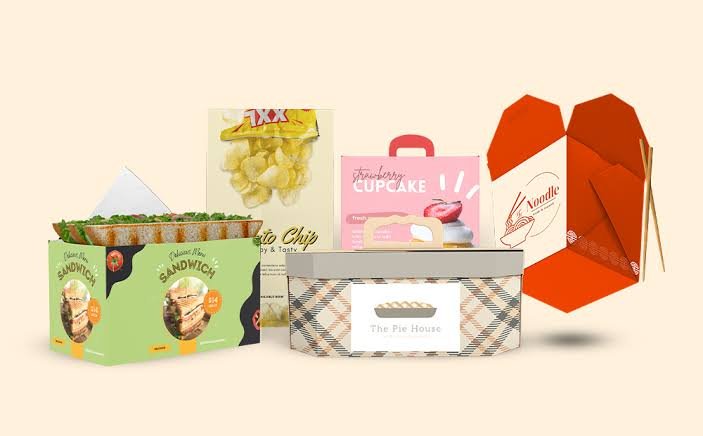
Food packaging plays an important role in attracting customers, building brand recognition, and creating a memorable shopping experience. In a competitive food industry, businesses need packaging that does more than simply protect products. It should communicate brand values, highlight product quality, and encourage customers to make purchasing decisions. Creative packaging designs can transform ordinary food containers into powerful marketing tools that help businesses stand out in crowded markets.
Custom food packaging boxes provide businesses with the flexibility to develop unique packaging that reflects their products, target audiences, and brand identities. From attractive colors and innovative shapes to premium finishes and eco-friendly materials, there are many ways to make food packaging more appealing. By combining creativity with functionality, businesses can create packaging that captures attention and improves customer satisfaction.
1. Choose Colors That Reflect Your Brand Identity
Color is one of the first things customers notice when looking at food packaging. The right color combination can communicate freshness, quality, flavor, and personality. For example, green is commonly associated with natural ingredients and healthy food, while red and orange can create feelings of excitement and appetite.
Businesses should select colors that match their brand identity and the type of food they sell. A bakery might choose warm brown, cream, and pastel shades to create a welcoming appearance. Meanwhile, a premium chocolate brand may prefer black, gold, and deep brown for a luxurious presentation.
Using consistent colors across different packaging products also helps customers recognize a brand quickly. A well-planned color palette creates a professional appearance and strengthens brand awareness.
2. Experiment With Unique Packaging Shapes
Traditional rectangular boxes are practical, but experimenting with different shapes can make food packaging more distinctive. Creative structural designs help products stand out on retail shelves and create a more interesting unboxing experience.
For example, bakeries can use window-shaped boxes for cupcakes, while confectionery brands can introduce triangular or hexagonal packaging for specialty products. Restaurants offering takeaway meals can explore compact, easy-to-carry designs that combine convenience with visual appeal.
However, unique shapes should not compromise product protection. Packaging must provide enough space for food items, prevent unnecessary movement, and remain easy to store and transport. The best designs combine originality with practical functionality.
3. Incorporate Attractive Graphics and Illustrations
Graphics and illustrations can communicate a product’s personality without requiring lengthy descriptions. Creative artwork helps packaging become more visually engaging and gives customers an immediate impression of what they are purchasing.
Food businesses can use ingredient illustrations, artistic patterns, hand-drawn designs, or playful characters to create distinctive packaging. A fruit juice company might feature colorful fruit illustrations, while an organic snack brand could use botanical artwork to communicate its natural positioning.
Minimalist graphics are another popular approach. Simple illustrations combined with clean typography can create an elegant appearance. Businesses should avoid overcrowding packaging with too many visual elements because excessive graphics can make the design confusing.
4. Use Transparent Windows to Showcase Food Products
Customers often appreciate seeing what they are purchasing, especially when buying bakery products, chocolates, snacks, or specialty food items. Transparent packaging windows provide a direct view of the product and can increase customer confidence.
A small window on a cookie box allows customers to see the cookies’ appearance, while a transparent section on a pastry box can showcase decoration and freshness. These windows can also be designed in creative shapes, such as circles, hearts, or product-related patterns.
The transparent material should be suitable for food packaging and securely integrated into the structure. Businesses must also ensure that the window provides adequate protection against contamination and external damage.
5. Explore Premium Finishing Techniques
Finishing techniques can give packaging a more sophisticated and professional appearance. Even a simple box can become visually impressive when enhanced with carefully selected finishes.
Some popular finishing options include:
- Matte lamination: Creates a smooth, understated appearance.
- Gloss lamination: Adds shine and makes printed colors more vibrant.
- Foil stamping: Introduces metallic details for a premium look.
- Embossing: Raises selected design elements to create texture.
- Spot UV coating: Highlights specific areas with a glossy finish.
- Textured surfaces: Add a distinctive tactile experience.
These techniques are especially useful for gourmet food brands, luxury confectionery products, and specialty gift packaging. Businesses should choose finishes that complement their branding rather than adding unnecessary decorative elements.
6. Focus on Creative Typography
Typography is another important element of attractive packaging. The fonts used on food boxes influence how customers perceive a brand and understand product information.
A playful handwritten font may work well for homemade cookies or artisan bakery products, while a clean sans-serif font can communicate modernity and simplicity. Premium food brands may prefer elegant serif typography to create a sophisticated identity.
Product names should remain easy to read, even from a distance. Important information, including ingredients, flavor descriptions, and branding, should have a clear visual hierarchy.
Combining two complementary fonts can create an attractive design, but using too many different styles may reduce readability. Businesses should maintain consistency across their packaging collections.
7. Introduce Eco-Friendly Packaging Designs
Sustainability has become an important consideration for modern consumers. Many customers appreciate brands that demonstrate environmental responsibility through their packaging choices.
Businesses can explore recyclable cardboard, responsibly sourced paper, and other suitable materials that reduce unnecessary environmental impact. Simple designs that use fewer decorative layers can also support material efficiency.
Eco-friendly packaging does not need to look ordinary. Natural textures, earthy colors, minimalist graphics, and creative printed patterns can produce an attractive appearance while communicating sustainability.
When selecting materials, businesses should consider food safety, moisture resistance, durability, and recycling requirements. Packaging claims should also be accurate and supported by the actual properties of the materials used.
8. Add Personalized Messages and Branding Elements
Personalization can make food packaging feel more engaging and memorable. Small messages, brand stories, and thoughtful design details help businesses establish an emotional connection with customers.
For example, a bakery could print a short thank-you message inside its boxes, while a restaurant might include a friendly greeting on takeaway packaging. Seasonal messages can also make packaging more relevant during holidays, celebrations, and special occasions.
Businesses can incorporate their logos, brand colors, slogans, and social media information into the design. QR codes can provide access to menus, promotional offers, product details, or customer feedback pages.
These details encourage customer interaction and make packaging part of the overall brand experience.
9. Design Packaging for Convenience and Functionality
Attractive packaging should also be convenient to use. Customers appreciate boxes that are easy to open, carry, store, and dispose of after use.
Features such as secure locking tabs, comfortable handles, dividers, and well-designed closures can improve usability. For food products that require separate compartments, internal sections help prevent different items from mixing or becoming damaged.
For takeaway businesses, leak-resistant structures and reliable closures may be essential. Bakery packaging should provide sufficient space to protect delicate decorations, while snack boxes should be easy to open without damaging their contents.
Combining attractive visual elements with practical features creates a more satisfying customer experience.
10. Use Seasonal and Limited-Edition Designs
Seasonal packaging gives businesses an opportunity to refresh their visual identity and attract customers during special occasions. Holidays, festivals, weddings, and promotional events provide inspiration for creative packaging concepts.
For example, businesses can introduce festive illustrations, special color palettes, and themed graphics for holiday collections. Valentine’s Day packaging might include romantic colors and heart-shaped details, while summer collections could feature bright shades and tropical patterns.
Limited-edition designs can also create excitement around new products. Customers may find special packaging more appealing because it offers something different from everyday products.
However, seasonal designs should still maintain recognizable brand elements so customers can easily identify the business.
11. Maintain a Balance Between Design and Product Protection
While visual appeal is important, packaging must perform its primary function of protecting food. A beautiful design will not create a positive impression if the product arrives damaged, crushed, or contaminated.
Businesses should select suitable materials according to the weight, shape, temperature, and storage requirements of their food products. Packaging for dry snacks may require different properties from packaging designed for oily or moisture-sensitive items.
Proper structural testing can help identify weaknesses before large-scale production. Businesses should also consider transportation conditions, stacking requirements, and storage space when developing packaging designs.
A successful design balances aesthetics, durability, food safety, and cost efficiency.
Conclusion
Creative packaging design is an effective way for food businesses to attract attention, communicate their brand identity, and improve customer experiences. From selecting attractive colors and experimenting with unique shapes to incorporating premium finishes, transparent windows, and personalized messages, many design strategies can transform ordinary packaging into an important marketing asset.
Custom food packaging boxes allow businesses to develop packaging solutions that match their products and appeal to their target audiences. By focusing on creativity, sustainability, functionality, and product protection, brands can create memorable packaging that encourages customer loyalty and strengthens their market presence. Ultimately, the most successful food packaging designs are those that combine attractive presentation with practical value, giving customers a positive experience from the moment they see the box until they enjoy the food inside.