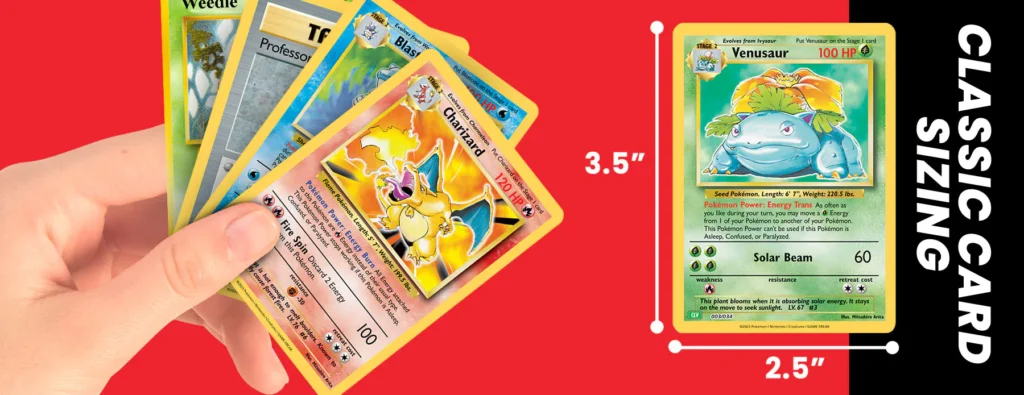

The Pokémon Trading Card Game has transformed from a simple collectible hobby into one of the most valuable trading card markets in the world. Over the past two decades, rare Pokémon cards have sold for astonishing amounts at auctions, sometimes reaching millions of dollars. These cards are no longer just childhood memorabilia; they are now serious investment assets sought after by collectors, celebrities, and investors globally. The combination of rarity, condition, historical significance, and grading quality determines their value. One of the most popular resources for collectors exploring this market is pokemonscenter.us.com, which focuses on Pokémon card insights and collecting trends.
Among all Pokémon cards ever sold, the Pikachu Illustrator card holds the record as the most expensive Pokémon card in history. A PSA Gem Mint 10 version of this card sold for approximately 16.49 million dollars in 2026. This sale shocked the collectibles world and set a new benchmark for trading card value. The Pikachu Illustrator card was never part of a commercial set. Instead, it was awarded to winners of a Japanese illustration contest in 1998. Only a few copies were ever distributed, making it extremely rare. Its uniqueness and cultural importance make it the ultimate prize for Pokémon collectors.
The value of the Pikachu Illustrator card is also tied to its creator. The artwork was designed by Atsuko Nishida, the original creator of Pikachu. This adds historical depth because Pikachu is the most iconic character in the entire Pokémon franchise. When combined with its rarity and perfect grading condition, the card becomes almost irreplaceable. Only a small number of PSA graded copies exist, and even fewer have achieved a perfect score, making them extremely desirable in auctions.
Another highly expensive Pokémon card is the First Edition Shadowless Holographic Charizard. This card is one of the most recognized Pokémon cards in the world. A PSA 10 graded version of this Charizard has sold for over 400,000 dollars in multiple private sales and auctions. The card comes from the original Base Set released in 1999 in English-speaking markets. Its shadowless design and first edition stamp make it particularly valuable. Charizard itself is one of the most popular Pokémon, which significantly increases demand among collectors.
The Illustrator Pikachu and Shadowless Charizard are not the only cards that reach high prices. Trophy cards from official Pokémon tournaments are also extremely valuable. For example, the Pokémon Trophy Pikachu No. 3 Trainer card has sold for hundreds of thousands of dollars. These cards were given only to top tournament winners during the early competitive Pokémon era. Because they were never sold publicly and were produced in extremely limited numbers, their scarcity drives their value very high.
Another notable mention is the No Rarity Base Set Charizard from Japan. Before Pokémon cards had rarity symbols, early Japanese prints were distributed in very limited quantities. A PSA 10 version of this card has sold for well over 250,000 dollars. Collectors value it because it represents the earliest stage of Pokémon card production. Its historical significance makes it a cornerstone piece in high-end collections.
The Blastoise Commissioned Presentation Galaxy Star Hologram card is another ultra-rare collectible. It is believed to be one of the prototype cards used during early development stages of the Pokémon Trading Card Game. Only a handful of these exist, and they rarely appear at auction. When they do, they can sell for hundreds of thousands of dollars depending on condition and provenance.
Promo cards distributed at special events also contribute to the list of expensive Pokémon cards. The Ishihara GX Promo card, which features Pokémon Company CEO Tsunekazu Ishihara, has sold for over 200,000 dollars. These cards were given to employees and select attendees during special celebrations, making them extremely rare in the open market.
One major factor that determines the price of Pokémon cards is grading. Companies like PSA, Beckett, and CGC evaluate the condition of cards based on centering, corners, edges, and surface quality. A card graded PSA 10, meaning gem mint condition, can be worth many times more than a lower-graded version. Even a small imperfection can significantly reduce the value. This is why collectors often pay premium prices for perfectly preserved cards.
Another important factor is nostalgia and demand. Pokémon remains one of the most popular franchises in the world, with millions of fans across generations. Characters like Pikachu, Charizard, and Mewtwo drive strong emotional value, which increases demand for rare cards featuring them. As more investors enter the collectibles market, competition for rare Pokémon cards continues to increase, pushing prices even higher.
The rise of online marketplaces and auction houses has also played a big role in the explosive growth of Pokémon card values. Platforms like Heritage Auctions and Goldin Auctions have facilitated record-breaking sales, making it easier for collectors to buy and sell high-value cards globally. This accessibility has helped establish Pokémon cards as legitimate alternative investments.
Websites like pokemonscenter.us.com contribute to the growing interest in Pokémon collecting by providing information, guides, and updates on card values and trends. As the market continues to evolve, collectors rely on such resources to stay informed about which cards are increasing in value and which are becoming more scarce.
In conclusion, the world of Pokémon card collecting has reached extraordinary heights. From the record-breaking Pikachu Illustrator card to the iconic Shadowless Charizard and rare tournament trophies, these collectibles represent more than just cardboard—they represent history, culture, and investment potential. As demand continues to grow and supply remains extremely limited, the value of these rare Pokémon cards is likely to rise even further in the future.