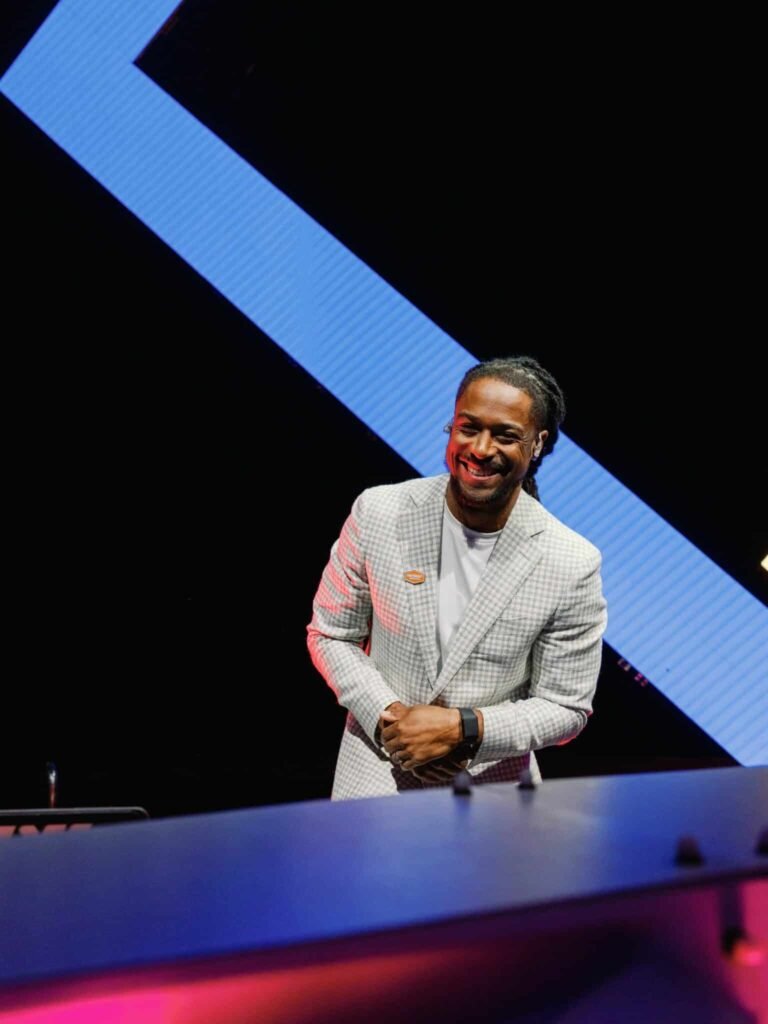

Corporate events are designed to do more than simply bring people together in one room. They are meant to build connections, communicate company goals, celebrate achievements, launch products, and inspire employees or clients. While much of the planning goes into logistics, guest lists, stage setup, and presentations, one role often determines whether the event feels polished or awkward—the conference emcee.
A skilled conference emcee acts as the heartbeat of the gathering. This professional keeps the schedule moving, energizes the audience, bridges transitions, and ensures every segment flows naturally. Without the right host, even a well-planned corporate conference can feel disorganized or dull. That is why businesses increasingly invest in strong emceeing strategies to create smooth and memorable experiences.
In this article, we will explore the most effective conference emcee strategies that help corporate gatherings stand out and leave a lasting impression.
Why the Conference Emcee Is Essential in Corporate Events
A corporate conference often includes multiple speakers, presentations, networking sessions, entertainment elements, award recognitions, and sometimes panel discussions. With so many moving parts, there is a constant risk of delays, confusion, or energy drops.
This is where the conference emcee becomes invaluable. Rather than just making announcements, the emcee serves as the central communicator between organizers, presenters, and attendees. They provide structure and rhythm, ensuring guests know what is happening and remain engaged throughout the event.
An experienced conference emcee also adds professionalism. Their confident delivery gives the event a refined tone that reflects positively on the company hosting it.
Understanding the Event Objective Before Taking the Stage
One of the most important strategies for any conference emcee is understanding the event’s purpose in detail. No two corporate gatherings are exactly alike. Some are focused on motivation and team building, while others are educational, formal, or sales-driven.
Before the event begins, the conference emcee should meet with organizers to discuss:
Company goals for the event
Is the event designed to train employees, impress investors, reward top performers, or introduce a new business direction? Knowing this helps the emcee align their language and tone with the desired outcome.
Audience profile
A room full of executives requires a different approach than a conference attended by young employees, partners, or clients. The conference emcee must know who is listening in order to communicate effectively.
Schedule details and sensitive moments
Corporate events often have strict timelines. The emcee must know where flexibility is possible and where punctuality is absolutely necessary.
Preparation at this level prevents mistakes and gives the conference emcee authority on stage.
Mastering the Art of Seamless Transitions
One major difference between average hosting and exceptional hosting is the ability to create smooth transitions. Corporate gatherings can easily feel choppy if each speaker simply walks up without context.
A strong conference emcee uses transition moments to:
Introduce speakers with relevance
Rather than reading a dry bio, the emcee should connect the upcoming speaker to the event theme. This makes the handoff feel meaningful.
Fill technical pauses naturally
Slides may take time to load, microphones may need adjustment, or stage teams may need a few extra seconds. Instead of allowing silence, the conference emcee keeps the audience comfortable with brief remarks, light engagement, or summaries.
Link one topic to another
If the previous session was about company performance and the next one is about future innovation, the emcee should bridge these ideas so the event feels like one continuous journey.
This strategy creates a polished atmosphere that audiences notice immediately.
Setting the Right Tone from the Opening Minutes
The opening of any conference determines how the audience will respond for the rest of the day. If the introduction feels robotic or low-energy, engagement becomes difficult. If it feels warm, professional, and purposeful, attendees become more attentive.
A conference emcee should begin with:
A confident welcome
The audience needs to feel they are in capable hands. Clear voice projection and assured body language are crucial.
A brief but meaningful event overview
Guests should understand why they are there and what value they can expect from the sessions ahead.
Controlled enthusiasm
Corporate conferences should feel lively but not chaotic. The conference emcee must balance professionalism with approachable energy.
This opening strategy helps establish trust and attention from the very beginning.
Keeping Audience Energy Consistent Throughout the Event
Long conferences often face one common issue: declining attention spans. After several presentations, even valuable content can begin to feel repetitive. A smart conference emcee uses audience management techniques to keep people mentally present.
Varying vocal tone and pacing
Monotone announcements can drain energy. A dynamic speaking style makes even routine information feel interesting.
Encouraging audience participation
Simple moments like asking for applause, inviting short responses, or recognizing attendee groups can refresh the room.
Using tasteful humor when appropriate
Corporate gatherings do not need to feel stiff all day. A conference emcee with professional humor can break tension without becoming unprofessional.
Reading the room
If the audience looks tired after lunch, the emcee may need to become more animated. If the event enters a serious awards or keynote segment, they may need to become more formal.
This flexibility is one of the most powerful conference emcee skills.
Coordinating Closely with the Production Team
A conference emcee cannot work in isolation. Smooth corporate events happen when the host is synchronized with event planners, sound engineers, lighting staff, and stage managers.
Important behind-the-scenes strategies include:
Reviewing cue sheets
The conference emcee should know exactly when music starts, videos play, lights change, or presenters enter.
Confirming speaker readiness
Before each segment, the emcee should verify that the next presenter is prepared and in position.
Preparing backup lines
Unexpected delays happen at nearly every event. A professional conference emcee keeps extra remarks, audience engagement questions, or sponsor mentions ready to avoid awkward silence.
This technical coordination allows the event to continue smoothly even if small issues arise.
Personalizing the Corporate Experience
Many conferences fail because they feel generic. Guests remember events that feel intentionally crafted for them. A thoughtful conference emcee helps create this personalized atmosphere.
Mentioning company milestones and achievements
Acknowledging the host organization’s successes makes the event feel more connected to the brand.
Recognizing important guests
Welcoming executives, partners, or award recipients by name adds prestige.
Referring back to earlier moments
If a keynote speaker shared an inspiring quote, the conference emcee can reference it later to create continuity.
These touches make the event feel unified rather than fragmented.
Managing Time Without Making It Feel Rushed
Corporate planners care deeply about punctuality, but audiences dislike feeling hurried. One of the smartest conference emcee strategies is controlling time invisibly.
Instead of bluntly saying “we are behind schedule,” the emcee can shorten transitions, tighten announcements, and gently encourage quick movement between segments.
Likewise, if a speaker ends early, the conference emcee can use that moment to recap a key takeaway or energize the room without making the gap obvious.
Great timing control is often unnoticed—which is exactly the point.
Ending the Event with Impact
Many hosts lose momentum at the closing stage, but the final few minutes are what attendees carry with them. A memorable conclusion from the conference emcee should:
Summarize key highlights
Remind guests of the most important themes, achievements, or announcements.
Offer appreciation
Thank attendees, organizers, sponsors, and speakers sincerely.
Leave a motivating final note
A strong closing statement can reinforce the company’s mission and send guests away feeling positive.
The final impression often defines how successful the entire conference feels.
Conclusion
Behind every successful corporate gathering is someone quietly ensuring everything feels smooth, connected, and engaging. That person is often the conference emcee. More than a simple announcer, this professional controls event flow, audience mood, speaker transitions, and time management while adding polish and personality to the experience.
By understanding event goals, mastering transitions, sustaining audience energy, coordinating with production teams, personalizing interactions, and closing with impact, a conference emcee transforms an ordinary business conference into a memorable corporate occasion.
For companies that want their events to feel seamless and professional from start to finish, choosing the right conference emcee—and using the right emcee strategies—can make all the difference.