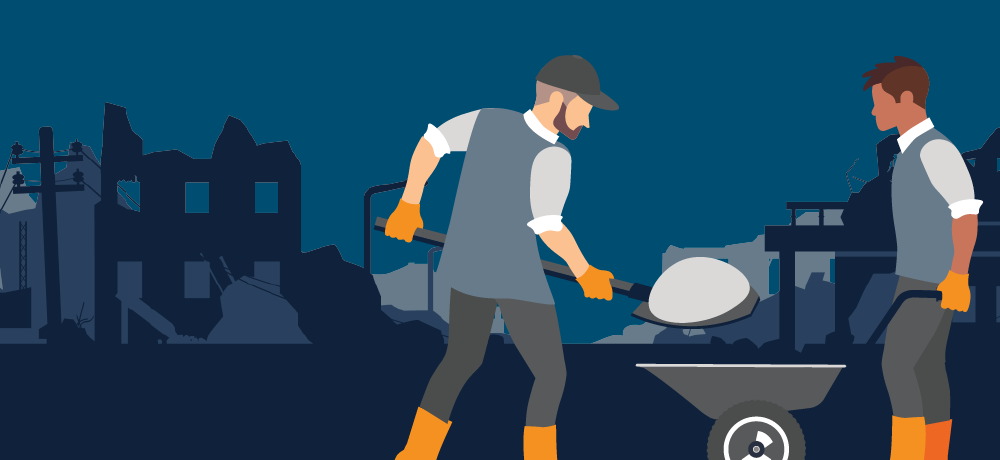

When a unexpected crisis strikes—whether it is a severe storm, flash flooding, a devastating fire, or a burst pipe in the middle of the night—the immediate aftermath can leave property owners feeling completely overwhelmed. Beyond the initial shock and emotional strain, structural damage and safety hazards begin accumulating instantly. In these critical moments, engaging a reliable disaster cleanup process is not merely a convenience or a luxury; it is a vital necessity for preserving structural integrity, maintaining healthy indoor air quality, and safeguarding your long-term financial investment.
Understanding why professional disaster cleanup matters, what it entails, and how prompt intervention protects your property can help you navigate catastrophic events with confidence and clarity.
The Hidden Hazards Following a Disaster
When natural or man-made disasters occur, visible destruction like broken windows, fallen drywall, or standing water is only part of the problem. Trapped moisture, airborne toxins, chemical residues, and compromised structural supports often present much greater threats beneath the surface.
Unseen Structural Weaknesses
Water and heat act aggressively against common construction materials. Subfloors, wooden studs, insulation, and drywall absorb liquid rapidly, leading to warping, rotting, and severe weakening within hours. Without thorough disaster cleanup, waterlogged framing can lead to sagging ceilings, cracked foundations, and catastrophic structural failure long after the initial event has passed.
Biohazards and Airborne Contaminants
Floodwaters frequently carry sewage, heavy metals, pesticides, and dangerous bacteria. Similarly, fire leaves behind toxic soot and ash particles that embed deeply into porous materials like upholstery, carpeting, and ventilation systems. Attempting to manage these hazards without proper protective equipment and industrial-grade containment tools exposes occupants to severe health risks.
The Critical Role of Fast Disaster Cleanup
Time is the single most critical factor in mitigating property loss following an unexpected emergency. The longer moisture, soot, or debris sits unchecked, the more extensive and expensive the damage becomes.
Preventing Mold Growth Within 24 to 48 Hours
Mold spores exist naturally everywhere in the environment, but they require moisture, warm temperatures, and organic material to thrive. After a flood or pipe burst, mold colonies can begin developing within 24 to 48 hours. Once mold takes hold inside wall cavities or beneath flooring, remediation becomes far more complex and intrusive. Professional disaster cleanup teams utilize high-capacity dehumidifiers, air movers, and thermal imaging cameras to locate and eliminate every trace of moisture before mold can establish itself.
Halting the Progression of Secondary Damage
Damage left unaddressed inevitably expands. Dampness spreads to adjacent rooms through capillary action in drywall; smoke residues turn acidic over time, permanently staining countertops, appliances, and fixtures; and standing water seeps into subflooring, triggering widespread decay. Immediate disaster cleanup interrupts this cycle, effectively locking down the scope of damage and dramatically reducing overall restoration costs.
What Professional Disaster Cleanup Entails
Effective restoration involves far more than simply pumping out water or sweeping away soot. It requires a systematic, multi-stage protocol designed to stabilize the environment and return the property to a safe, livable condition.
Detailed Assessment and Structural Inspection
Before any physical work begins, experts perform a comprehensive evaluation to map out moisture migration, structural stability, and safety hazards. This assessment determines the precise tools, safety precautions, and timeline required for a full recovery.
Comprehensive Water Extraction and Structural Drying
Specialized heavy-duty pumps and extraction units remove bulk standing water rapidly. Following extraction, industrial desiccant dehumidifiers and high-velocity air movers are strategically deployed to dry structural elements down to healthy equilibrium moisture levels.
Decontamination, Sanitation, and Odor Removal
Disinfection is paramount to ensure the space is safe for human habitation. Technicians apply EPA-registered antimicrobial treatments to eliminate bacteria, viruses, and fungal spores. Additionally, advanced deodorization technologies—such as hydroxyl generators or thermal foggers—neutralize stubborn smoke and biological odors at the molecular level rather than merely masking them.
Long-Term Benefits for Property Value and Insurance
Partnering with dependable specialists for your disaster cleanup needs provides lasting protection that extends far beyond immediate physical repairs.
Safeguard Real Estate Value
Whether your property is a residential house or a commercial facility, untreated disaster damage erodes market value. Unrepaired moisture intrusion leads to dry rot and structural instability, which can fail pre-sale building inspections and derail future property valuations. Comprehensive disaster cleanup ensures that hidden defects are fully resolved, preserving the home’s resale market value and structural warranty.
Seamless Insurance Claims Process
Navigating insurance claims in the stress of a post-disaster environment can be daunting. Established cleanup specialists maintain meticulous documentation, including moisture readings, photo logs, and detailed inventory records. This thorough proof of loss simplifies the claims process, helping property owners secure fair and prompt reimbursement from their insurance carriers.
Selecting the Right Restoration Specialists
When disaster strikes, having a plan in place ensures quick and effective action. When evaluating disaster cleanup professionals, look for:
- 24/7 Emergency Availability: Disasters do not adhere to regular business hours; rapid response teams must be ready to deploy immediately.
- Industry Certifications: Ensure technicians are certified by recognized industry bodies (such as the Institute of Inspection, Cleaning and Restoration Certification, or IICRC).
- Advanced Equipment: Quality providers invest in state-of-the-art thermal imaging, commercial drying systems, and advanced air scrubbers.
- Transparent Communication: Clear estimates, regular progress updates, and helpful guidance throughout the insurance claim process are hallmarks of a trustworthy team.
Protecting What Matters Most
Property damage caused by fires, floods, or severe weather is inherently disruptive, but the actions taken immediately following an incident dictate how successfully your property recovers. Relying on thorough, professional disaster cleanup stops secondary damage in its tracks, safeguards your family or tenants from hazardous contaminants, and protects the financial investment you have built over years. By acting swiftly and partnering with trusted experts, you can restore not just your physical space, but also your peace of mind.
