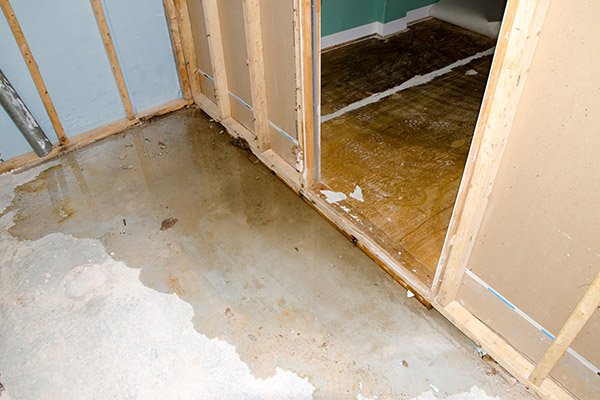

Basements are often prone to water issues due to their location below ground level. Water infiltration can lead to structural damage, mold growth, and an unhealthy living environment. Understanding the common causes of basement water problems and how to address them is essential for homeowners. One effective solution that often comes into play is basement water removal, which helps restore dry conditions and prevent long-term damage.
Poor Drainage Around the Home
One of the most frequent causes of basement water problems is poor drainage around the property. When rainwater or melting snow is not directed away from the foundation, it can accumulate near the walls and seep into the basement. This often occurs due to improper grading of the landscape or blocked gutters and downspouts.
To address this issue, ensure that the ground slopes away from your home by at least six inches over the first ten feet. Clean gutters regularly and extend downspouts away from the foundation. Installing a French drain or surface drainage system can further help divert water from the house, reducing the risk of basement flooding.
Cracks in Foundation Walls or Floors
Foundation cracks are another common culprit behind basement water issues. These cracks can develop due to settling, hydrostatic pressure, or temperature fluctuations. Even small cracks can allow water to infiltrate, leading to dampness and potential structural problems.
Addressing foundation cracks involves both repairing and preventing further damage. Small cracks can be sealed with epoxy or polyurethane injections, while larger cracks may require professional attention to ensure the structural integrity of the home. Regular inspections of the foundation are crucial, particularly after heavy rains or seasonal changes.
Faulty or Aging Plumbing
Leaky or outdated plumbing can also contribute to basement water problems. Pipes running through or near the basement may develop leaks due to corrosion, shifting foundations, or loose connections. Even slow leaks can result in significant water accumulation over time, creating damp conditions conducive to mold growth.
Regular maintenance and inspections of plumbing systems are essential. Replacing old pipes, fixing leaks promptly, and using moisture sensors can help detect issues early. For immediate problems, basement water removal services can effectively remove standing water and prevent damage to flooring and belongings.
Sump Pump Failure
Many basements rely on sump pumps to keep water levels under control. However, a malfunctioning or poorly maintained sump pump can lead to basement flooding. Pumps may fail due to power outages, mechanical issues, or clogged discharge pipes. Without a functioning sump pump, even minor water accumulation can quickly become a serious problem.
To avoid sump pump failure, inspect and test the unit regularly. Ensure the pump is connected to a reliable power source and has a backup battery or generator in case of power outages. Cleaning the sump pit and discharge lines will prevent clogs, allowing the pump to operate efficiently when needed.
High Water Table
Basements located in areas with a high water table are inherently at risk for water infiltration. When the groundwater level rises above the foundation, hydrostatic pressure can push water through walls, floors, and joints. This issue is particularly common in regions with heavy rainfall or poor soil drainage.
Solutions for high water table problems include installing a perimeter drainage system, such as a French drain, and using a sump pump to manage water levels. Waterproofing the foundation walls with sealants or membranes can provide an additional barrier against water intrusion. Basement water removal is often necessary during periods of heavy rainfall to prevent damage and maintain a dry environment.
Condensation and Humidity
Not all basement water problems come from external sources. Condensation caused by high humidity can lead to damp walls, wet floors, and mold growth. Basements tend to be cooler than the rest of the home, and warm, moist air from the living spaces can condense on cold surfaces, creating water accumulation.
Managing basement humidity involves using a dehumidifier, improving ventilation, and insulating cold surfaces. Properly sealing windows, doors, and crawl spaces can also reduce the amount of moist air entering the basement. Maintaining an indoor humidity level between 30% and 50% helps prevent condensation and related water issues.
Poor Window Wells and Seals
Basement windows that are poorly sealed or have inadequate window wells can become entry points for water. Window wells that do not allow water to drain away efficiently can overflow during heavy rain, causing leaks into the basement. Similarly, old or damaged window seals can let water in from the exterior.
Installing properly designed window wells with drainage systems and regularly inspecting and resealing windows can prevent water intrusion. Window well covers can also help reduce the amount of rainwater that accumulates around the windows, keeping the basement dry.
Landscaping and Tree Roots
Landscaping choices can indirectly impact basement water issues. Planting trees and shrubs too close to the foundation can lead to root intrusion, which may crack walls or block drainage systems. Overwatering gardens near the home can also saturate the soil and contribute to water seeping into the basement.
Maintaining proper landscaping, keeping trees and large shrubs at least 10 feet away from the foundation, and managing irrigation can reduce these risks. Grading the land to direct water away from the house remains a crucial preventive measure.
Preventing Mold and Water Damage
Unchecked water issues can lead to mold growth, structural damage, and unhealthy living conditions. Timely basement water removal is essential to address standing water and minimize potential problems. After removing water, thoroughly drying the area and cleaning with mold-resistant solutions helps maintain a safe environment.
Regular inspections, maintenance of plumbing and drainage systems, and proper waterproofing measures all contribute to long-term prevention of basement water issues. Homeowners who take proactive steps often avoid costly repairs and protect the value of their property.
Conclusion
Basement water issues can stem from a variety of causes, including poor drainage, foundation cracks, plumbing problems, sump pump failure, high water tables, condensation, window leaks, and landscaping choices. Addressing these problems requires a combination of preventive measures, timely repairs, and professional interventions when necessary. Basement water removal plays a critical role in managing water intrusion, protecting the basement from long-term damage, and ensuring a safe and healthy living space. Homeowners who understand the underlying causes and implement effective solutions can maintain dry, functional basements and prevent the headaches associated with water damage.