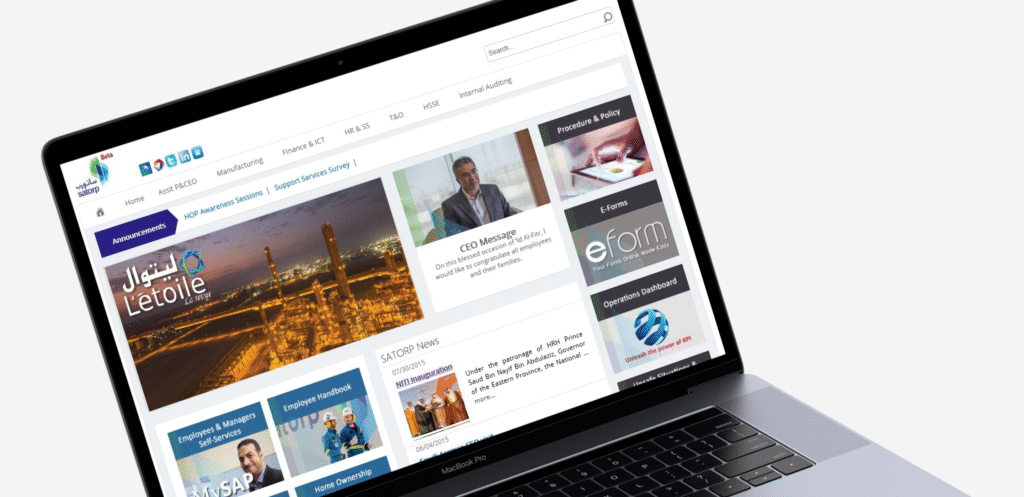

Implementing an intranet portal in an organization can significantly enhance internal communication, collaboration, and productivity. As businesses grow and teams become more distributed, having a centralized platform for information sharing, workflows, and employee engagement becomes essential. An intranet portal serves as the backbone of internal operations, providing employees with a hub for accessing resources, collaborating on projects, and staying informed about company updates. This guide will walk you through the key considerations, steps, and best practices for successfully implementing an intranet portal in your organization.
Understanding the Role of an Intranet Portal
An intranet portal is a private digital platform used exclusively within an organization to manage internal communications, share resources, and streamline business processes. Unlike external websites, which target customers and the public, an intranet portal focuses on meeting the needs of employees, managers, and internal teams. It acts as a centralized repository for documents, policies, announcements, and project information. By consolidating these elements into a single platform, an intranet portal eliminates confusion caused by fragmented communication channels and promotes a unified organizational culture.
The benefits of an intranet portal extend beyond information sharing. It fosters collaboration among teams, simplifies workflow management, and improves knowledge retention within the organization. Employees can access critical resources such as HR documents, training materials, and departmental updates without wasting time searching multiple systems. Furthermore, a well-designed intranet portal can enhance employee engagement by providing tools for feedback, recognition, and social interaction.
Key Considerations Before Implementation
Before implementing an intranet portal, it is crucial to understand your organization’s unique needs and objectives. Start by evaluating the existing communication and workflow challenges within your company. Identify the departments or teams that will benefit most from the portal and the types of content or features that will be most valuable. Consider aspects such as document management, internal messaging, employee directories, calendars, project management tools, and integration with existing software systems.
Another important consideration is the level of customization and scalability your intranet portal requires. Organizations vary in size and complexity, so selecting a platform that can grow with your business is essential. Look for solutions that allow customization of features, user interfaces, and access controls to ensure the portal meets the specific needs of different departments and user roles.
Security is also a top priority when implementing an intranet portal. Sensitive organizational data, employee information, and internal communications must be protected against unauthorized access. Ensure that your intranet portal supports strong authentication methods, role-based access controls, and encryption to safeguard data integrity and privacy.
Planning the Intranet Portal Structure
A successful intranet portal begins with a well-thought-out information architecture. Start by mapping out the structure and hierarchy of content within the portal. Organize information logically to make it easy for employees to navigate and find what they need. Common sections of an intranet portal include company news, HR resources, departmental pages, knowledge bases, project dashboards, and social collaboration areas.
User experience should be a central focus during planning. Employees should be able to quickly access essential information without navigating through complex menus or redundant pages. Consider implementing intuitive navigation, search functionality, and personalized dashboards tailored to different user roles. Additionally, ensure the portal is mobile-friendly, as many employees may access it from smartphones or tablets, especially in remote or hybrid work environments.
Selecting the Right Intranet Portal Platform
Choosing the right intranet portal platform is a critical step in the implementation process. Organizations can opt for pre-built intranet solutions, open-source platforms, or custom-built portals depending on their requirements and budget. Evaluate platforms based on features such as document management, collaboration tools, communication channels, analytics, and integration capabilities with existing software.
It is also essential to consider the vendor’s support, update policies, and community resources. A reliable vendor can provide technical assistance, regular updates, and enhancements that ensure the intranet portal continues to meet organizational needs. Pilot testing different platforms with a small group of employees can help identify usability issues, feature gaps, and performance concerns before a full-scale rollout.
Implementation and Deployment
Once the planning and selection stages are complete, the next step is implementing and deploying the intranet portal. Begin by setting up the platform, configuring user roles, and uploading initial content. It is helpful to create templates for departmental pages, news updates, and project documentation to maintain consistency across the portal.
Training and onboarding are essential to ensure employees adopt the new system effectively. Provide comprehensive training sessions, tutorials, and support documentation to help users understand the portal’s features and benefits. Encourage feedback during the initial phase to identify any usability challenges and make necessary adjustments.
Communication is key during deployment. Inform employees about the launch timeline, highlight the benefits of the intranet portal, and emphasize how it will simplify their daily tasks. Engaging employees early in the process increases adoption rates and ensures the portal becomes a valuable part of the organization’s workflow.
Promoting Collaboration and Engagement
An intranet portal’s success depends on its ability to facilitate collaboration and engage employees. Incorporate interactive features such as discussion forums, chat tools, project workspaces, and social recognition programs to encourage active participation. Recognize and reward employees who contribute valuable content or assist colleagues through the portal, reinforcing a culture of collaboration.
Regularly updating the portal with relevant content keeps employees engaged and encourages repeated use. This includes sharing company news, policy changes, project milestones, training opportunities, and employee achievements. A dynamic intranet portal helps foster a sense of community, promotes knowledge sharing, and strengthens organizational culture.
Monitoring and Continuous Improvement
Implementing an intranet portal is not a one-time task; it requires ongoing monitoring and continuous improvement. Use analytics tools to track usage patterns, popular content, and employee engagement levels. Identify areas where employees struggle to find information or underutilized features and make necessary adjustments.
Solicit feedback regularly from users to understand their needs and pain points. Update the portal’s structure, design, and content to reflect evolving organizational goals and workflows. Keeping the intranet portal relevant, user-friendly, and aligned with business objectives ensures its long-term success and maximizes return on investment.
Conclusion
An intranet portal is a powerful tool that can transform the way an organization communicates, collaborates, and operates. By providing a centralized hub for information, resources, and engagement, it enhances efficiency, strengthens internal communication, and supports a collaborative work culture. Successful implementation requires careful planning, selection of the right platform, effective deployment, and continuous monitoring to ensure it meets organizational needs.
Investing in an intranet portal is not just about technology—it’s about creating a digital workspace that empowers employees, streamlines processes, and drives organizational success. Organizations that embrace this approach can enjoy improved productivity, stronger team collaboration, and a more connected workforce, positioning themselves for growth in today’s fast-paced business environment.
The intranet portal is no longer an optional tool; it has become a strategic asset that supports the future of work. By following the steps outlined in this guide, your organization can implement an intranet portal that delivers tangible benefits and enhances the overall employee experience.


