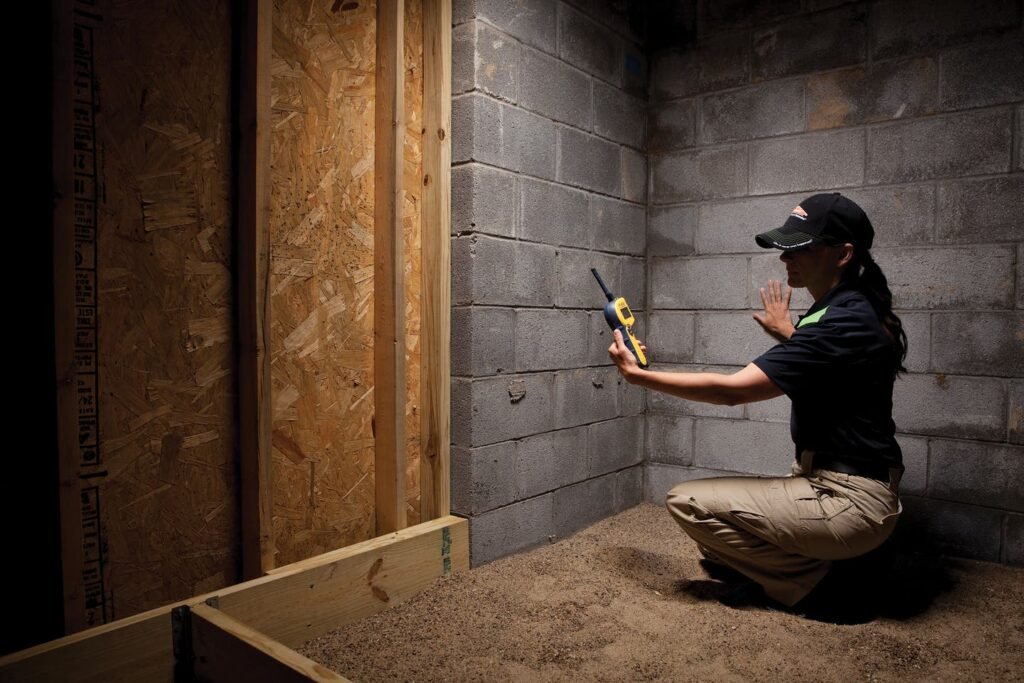

Water is essential for life, but when it enters unwanted areas of a property, it can create serious problems. Water damage is one of the most common and destructive issues faced by homeowners, businesses, and property managers. It can affect the structure of buildings, damage personal belongings, encourage mold growth, and create unhealthy living conditions. Understanding the causes, prevention methods, and professional restoration solutions for water damage can help property owners respond quickly and reduce costly repairs.
What Is Water Damage?
Water damage occurs when excess water accumulates in areas where it should not be present, causing harm to building materials, furniture, electrical systems, and other valuable assets. This problem can happen suddenly due to events such as flooding or burst pipes, or it can develop gradually from leaks, moisture buildup, or poor drainage.
The severity of water damage depends on several factors, including the amount of water involved, how long the area remains wet, the source of the water, and the type of materials affected. A small leak may seem harmless at first, but if ignored, it can lead to major structural issues and expensive restoration work.
Common Causes of Water Damage
There are many reasons why water damage occurs in residential and commercial properties. Identifying these causes can help prevent future problems and protect the property from unnecessary damage.
One of the most common causes is plumbing failure. Broken pipes, leaking faucets, clogged drains, and damaged water heaters can release large amounts of water into a building. Even a small plumbing leak can gradually weaken walls, floors, and ceilings if it is not repaired quickly.
Heavy rainfall and flooding are also major contributors to water damage. Storms can overwhelm drainage systems, causing water to enter basements, crawl spaces, and ground-level areas. Floodwater can contain contaminants, making cleanup more complicated and requiring professional handling.
Roof damage is another frequent cause. Missing shingles, cracks, damaged flashing, and blocked gutters can allow rainwater to seep into the interior of a building. Over time, moisture from roof leaks can damage insulation, ceilings, and wooden structures.
Appliance failures can also result in significant water damage. Washing machines, dishwashers, refrigerators, and water heaters may malfunction and release water unexpectedly. Regular maintenance and inspections can help identify potential issues before they become serious.
Poor ventilation and humidity problems can contribute to long-term water damage as well. Excess moisture in bathrooms, kitchens, and basements can create ideal conditions for mold growth and material deterioration.
Effects of Water Damage on Properties
The impact of water damage can extend far beyond visible water stains. When moisture penetrates building materials, it can weaken structural components and reduce the overall safety of a property.
Wooden structures are especially vulnerable because prolonged exposure to moisture can cause warping, swelling, and rotting. Drywall can absorb water quickly, leading to discoloration, crumbling, and the need for replacement. Flooring materials such as hardwood, laminate, and carpet may also become damaged and require professional restoration.
Another major concern associated with water damage is mold growth. Mold can develop within 24 to 48 hours in damp environments. Once mold spreads, it can affect indoor air quality and create health concerns for occupants. Professional water damage restoration helps remove moisture and reduce the risk of mold-related problems.
Electrical hazards are another serious consequence. Water exposure near electrical systems can increase the risk of short circuits, fires, and dangerous situations. Any property experiencing water damage should be carefully inspected before electrical systems are used again.
Prevention Tips to Avoid Water Damage
Preventing water damage is often easier and more affordable than dealing with extensive repairs. Property owners can take several proactive steps to reduce risks.
Regular plumbing inspections are one of the best prevention methods. Checking pipes, faucets, drains, and water connections can help detect leaks before they cause major problems. Replacing old or damaged plumbing components can prevent unexpected failures.
Maintaining gutters and downspouts is also important. Clean gutters help direct rainwater away from the foundation, reducing the chance of basement flooding and foundation damage. Property owners should inspect their roofs regularly and repair damaged areas immediately.
Proper drainage around a building can significantly reduce water damage risks. The ground should slope away from the foundation to prevent water from collecting near walls and entering the structure.
Installing water detection devices is another useful prevention strategy. Smart leak detectors can alert property owners about unusual moisture levels or leaks, allowing them to take quick action before extensive damage occurs.
Controlling indoor humidity is also essential. Using ventilation systems, exhaust fans, and dehumidifiers can help maintain healthy moisture levels and prevent condensation-related issues.
Professional Water Damage Restoration Solutions
When water damage occurs, professional restoration services provide the expertise and equipment needed to restore a property effectively. Attempting to handle severe water problems without proper knowledge can lead to incomplete drying, hidden moisture issues, and future complications.
The first step in professional restoration is usually a detailed assessment. Restoration specialists inspect the affected areas, identify the source of the water, determine the level of damage, and create an appropriate restoration plan.
Water removal is a critical part of the process. Professionals use advanced pumps, vacuums, and extraction equipment to remove standing water quickly. Fast removal helps limit structural damage and reduces the possibility of mold growth.
After water extraction, the drying process begins. Industrial-grade air movers, dehumidifiers, and moisture monitoring tools are used to remove hidden moisture from walls, floors, and other materials. Proper drying ensures that the property returns to a safe condition.
Cleaning and sanitization are also important steps in water damage restoration. Depending on the water source, affected areas may require deep cleaning, disinfection, and odor removal. Professional teams use specialized products to restore a healthy environment.
In cases where materials are severely damaged, restoration experts may perform repairs and reconstruction. This can include replacing drywall, repairing flooring, restoring ceilings, and rebuilding damaged areas to return the property to its original condition.
The Importance of Quick Response
A fast response is essential when dealing with water damage. The longer water remains inside a property, the greater the risk of permanent damage. Quick action can reduce repair costs, protect valuable belongings, and prevent secondary problems such as mold growth and structural deterioration.
Professional restoration companies are available to provide emergency assistance and help property owners manage unexpected water-related problems. Their experience, equipment, and restoration techniques allow them to handle everything from minor leaks to major flooding situations.
Conclusion
Water damage can have serious consequences for homes and businesses, but understanding its causes and taking preventive measures can significantly reduce risks. Regular maintenance, proper inspections, and quick action are key to protecting properties from moisture-related problems. When damage does occur, professional water damage restoration services provide effective solutions to remove water, repair affected areas, and restore properties safely. By addressing water damage promptly, property owners can protect their investments and maintain healthier living and working environments.