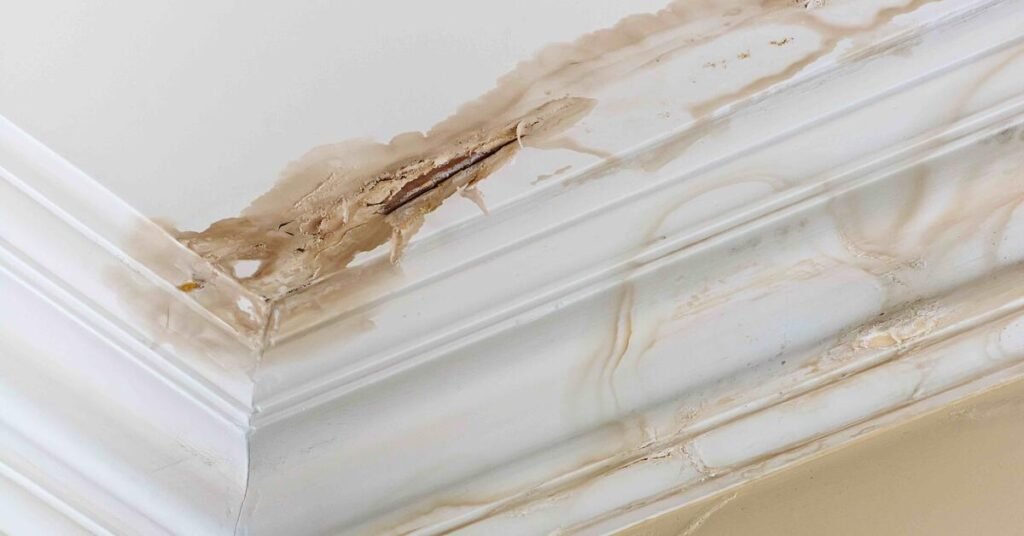

Water damage is one of the most common yet overlooked problems in homes and commercial properties. It can originate from a variety of sources such as leaking pipes, roof leaks, flooding, or even high humidity levels. Detecting water damage early is crucial because it helps prevent costly repairs, structural deterioration, and health hazards caused by mold growth. By recognizing the early signs of water damage, property owners can take effective measures to address the issue promptly.
Common Indicators of Water Damage
Identifying water damage early often requires a keen eye for subtle changes in your property. Some of the most common indicators include:
Stains and Discoloration
Water damage often leaves visible stains or discoloration on walls, ceilings, or floors. These stains may appear as yellow, brown, or even darker patches. Ceiling water stains usually indicate a roof leak or plumbing problem above the affected area. On walls, water stains can signal leaking pipes or seepage from exterior walls. Flooring, especially wooden or laminate, may develop discoloration or warping due to prolonged exposure to moisture.
Musty Odors
A persistent musty or damp smell is a strong sign of water damage. Even if the water is not visible, odor can indicate hidden moisture behind walls, under floors, or inside ceilings. This smell often points to mold or mildew growth, which can develop quickly in moist environments. Detecting such odors early allows for prompt intervention before mold spreads extensively.
Peeling or Bubbling Paint and Wallpaper
Water damage affects the adhesion of paint and wallpaper. When moisture accumulates behind the surface, it can cause the paint or wallpaper to bubble, peel, or crack. This is particularly common in bathrooms, kitchens, or basements where humidity levels are higher. Noticing these visual changes early can help identify a water problem before it escalates.
Warping or Buckling Floors
Wooden, laminate, or vinyl flooring may warp, swell, or buckle when exposed to water. This happens because moisture penetrates the material, causing it to expand and lose its shape. Early detection of floor warping can prevent extensive damage and reduce the need for full-floor replacements. Carpets may also become damp, stained, or develop a musty odor, signaling potential water damage.
Mold and Mildew Growth
Mold and mildew thrive in damp conditions and are a clear indication of water damage. Small patches of mold may appear in corners, behind furniture, under sinks, or along baseboards. While minor mold can sometimes be cleaned, its presence often suggests ongoing moisture issues that need to be addressed. Ignoring mold can lead to health problems such as allergies, respiratory issues, and skin irritation.
Sagging Ceilings or Walls
A sagging ceiling or wall is a serious sign of water damage and indicates that moisture has accumulated over time. Ceilings may bow downward, or walls may appear soft to the touch. This often results from roof leaks, plumbing failures, or prolonged exposure to water. Immediate inspection and repair are necessary to prevent structural damage or potential collapse.
Dripping or Leaking Water
The most obvious sign of water damage is visible leaking or dripping water. This can originate from pipes, roofs, windows, or appliances. Even minor leaks can cause significant damage over time if left untreated. Regular inspections of plumbing, appliances, and water sources can help detect leaks early, minimizing damage and repair costs.
Causes of Water Damage
Understanding the causes of water damage can help in prevention and early detection. Common causes include:
- Plumbing Issues: Burst pipes, leaking faucets, or faulty water heaters can release water into walls, floors, or ceilings.
- Roof Leaks: Damaged shingles, flashing, or clogged gutters can allow water to seep into the home.
- Flooding: Natural disasters such as heavy rain, hurricanes, or storms can flood homes, causing extensive water damage.
- Appliance Malfunctions: Washing machines, dishwashers, or refrigerators with leaking components can damage nearby surfaces.
- High Humidity: Consistently high indoor humidity can lead to condensation, promoting water damage in hidden areas.
- Foundation Problems: Cracks in the foundation or poor drainage can allow water to enter basements or crawl spaces.
Health Risks Associated with Water Damage
Ignoring water damage can lead to serious health risks. Mold and mildew are major concerns, as they release spores that can cause allergic reactions, asthma attacks, and other respiratory problems. Standing water or damp areas can also attract bacteria and pests, creating an unsafe environment for residents. Early detection and remediation of water damage help protect both property and health.
Preventive Measures for Water Damage
While it may not be possible to eliminate water damage entirely, there are effective measures to prevent or reduce its impact:
- Regular Inspections: Check roofs, plumbing, and appliances for leaks or signs of wear. Early detection is key to preventing major damage.
- Maintain Gutters and Downspouts: Clean gutters regularly to ensure water flows away from the foundation.
- Control Indoor Humidity: Use dehumidifiers or proper ventilation in areas prone to moisture, such as bathrooms and basements.
- Seal Cracks and Openings: Inspect and seal cracks in walls, windows, and foundations to prevent water intrusion.
- Monitor Appliances: Regularly inspect appliances like water heaters, dishwashers, and washing machines for leaks or malfunctions.
- Professional Water Damage Assessment: Hire experts for a thorough assessment if signs of water damage are present or suspected.
Solutions for Water Damage
Once water damage is detected, swift action is essential to minimize long-term effects. Solutions include:
- Drying and Dehumidification: Remove excess water using pumps, wet vacuums, and dehumidifiers to prevent further damage.
- Mold Remediation: Treat affected areas with appropriate cleaning solutions or hire professionals to remove mold safely.
- Repairing Structural Damage: Replace or repair damaged drywall, flooring, or ceilings to restore the property’s integrity.
- Fixing Leak Sources: Identify and repair the source of water intrusion, whether it’s a plumbing issue, roof leak, or appliance malfunction.
- Preventive Upgrades: Consider waterproofing basements, upgrading gutters, or installing water sensors to prevent future damage.
Conclusion
Water damage is a serious issue that can compromise the safety, value, and livability of a property. Early detection is the key to effective solutions, preventing costly repairs, and mitigating health risks. By recognizing signs such as stains, odors, peeling paint, warped floors, and mold growth, homeowners can take timely action to protect their property. Preventive measures and professional assistance further ensure that water damage is managed efficiently, preserving both structural integrity and overall well-being. Being proactive about water damage not only saves money but also ensures a safer and healthier living environment.