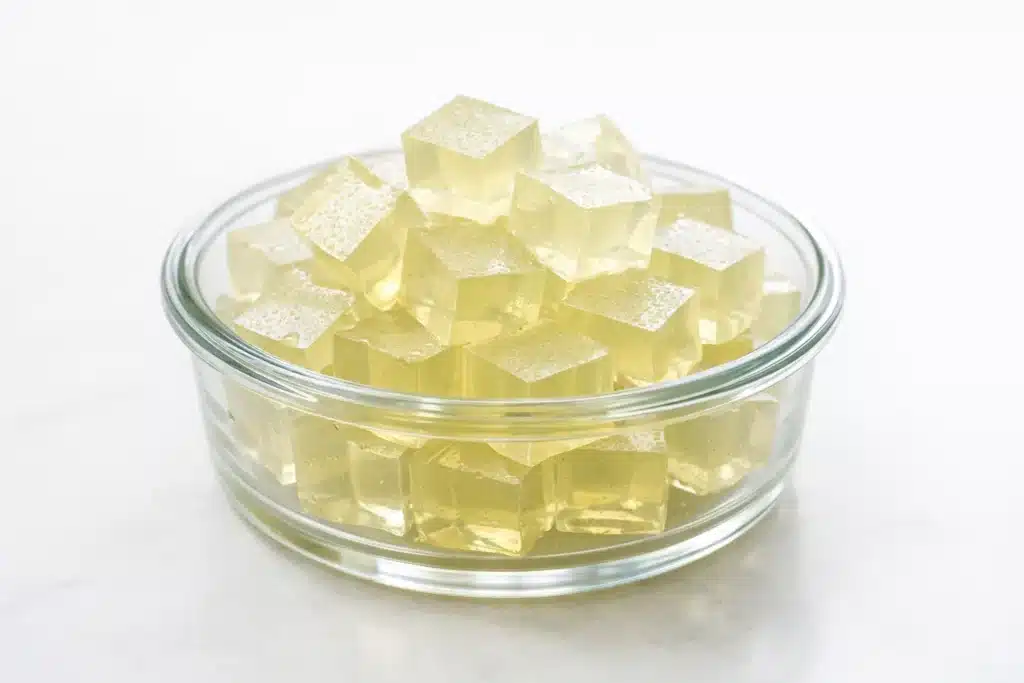

Gelatin has long been a quiet hero in kitchens around the world, but there’s a simple technique—often called the gelatin trick—that can dramatically elevate both sweet and savory recipes. From silkier mousses to juicier meats and clearer broths, this method helps improve texture, stability, and presentation without changing flavors. Whether you’re a home cook or a passionate baker, understanding how to use gelatin the right way can unlock restaurant-quality results at home.
Understanding Gelatin and Why It Works
Gelatin is a natural protein derived from collagen, typically sourced from animal bones and connective tissue. When dissolved properly and allowed to set, it forms a delicate network that traps liquids. This structure is what gives panna cotta its tender wobble, cheesecakes their clean slices, and sauces their luxurious mouthfeel.
The gelatin trick isn’t about adding more gelatin—it’s about using it correctly. Many recipes fail because gelatin is overheated, under-hydrated, or added at the wrong time. Mastering the technique ensures consistent results and avoids common issues like graininess or rubbery textures.
The Gelatin Trick Explained Simply
At its core, the gelatin trick involves blooming gelatin properly and incorporating it gently into your dish at the correct temperature. Blooming means hydrating gelatin in cold liquid before heating. This step allows the granules or sheets to absorb moisture evenly, ensuring a smooth dissolve later.
When gelatin is bloomed correctly, it melts seamlessly into warm mixtures and sets evenly as it cools. Skipping or rushing this step can lead to lumps or uneven setting, which can ruin an otherwise perfect dessert or dish.
How to Bloom Gelatin the Right Way
For powdered gelatin, sprinkle it evenly over cold water or another cold liquid and let it sit undisturbed for 5 to 10 minutes. It should swell and become sponge-like. For gelatin sheets, soak them in plenty of cold water until they soften fully, then gently squeeze out excess water.
Once bloomed, gently warm the gelatin just until it dissolves. Avoid boiling, as high heat weakens gelatin’s setting power. This small detail is the heart of the gelatin trick and the key to reliable results.
Enhancing Desserts with the Gelatin Trick
Desserts are where gelatin truly shines. Used correctly, it can improve texture without making sweets feel heavy or artificial.
Creamy and Stable Mousses
Chocolate, fruit, and cream-based mousses benefit greatly from the gelatin trick. A small amount of properly bloomed gelatin helps the mousse hold its shape while staying airy and light. It also prevents weeping, where liquid separates from the mixture after chilling.
By dissolving gelatin into a warm base, such as melted chocolate or fruit purée, and then folding it gently into whipped cream, you create a dessert that’s stable enough to plate beautifully yet soft on the spoon.
Perfect Cheesecakes and No-Bake Desserts
No-bake cheesecakes rely heavily on gelatin for structure. The gelatin trick ensures clean slices and a creamy interior rather than a dense or rubbery texture. When gelatin is incorporated smoothly into the cream cheese mixture, it supports the filling without overpowering it.
This technique is especially helpful for layered desserts, where each layer needs to set neatly without bleeding into the next.
Glossy Glazes and Elegant Finishes
Gelatin is often used in mirror glazes and fruit toppings. The gelatin trick helps create a glossy, professional finish that clings evenly to cakes and pastries. Properly bloomed gelatin ensures the glaze sets with a smooth shine instead of streaks or bubbles.
Using the Gelatin Trick in Savory Dishes
While gelatin is commonly associated with sweets, it has powerful applications in savory cooking as well. Chefs often use gelatin to enhance mouthfeel and moisture in ways that are subtle yet transformative.
Richer Soups, Stocks, and Sauces
Adding a small amount of gelatin to soups and sauces can mimic the body of long-simmered stock. This is especially useful when time is limited. The gelatin trick helps thicken liquids slightly and adds a luxurious texture without altering flavor.
For pan sauces, a pinch of gelatin dissolved in stock can help the sauce cling beautifully to meat or vegetables, creating a restaurant-style finish at home.
Juicier Meats and Better Texture
Gelatin can improve the texture of meat dishes like meatballs, sausages, and terrines. When mixed into ground meat with liquid, it helps retain moisture during cooking. The result is a juicier bite and a tender structure that doesn’t fall apart.
This application of the gelatin trick is particularly useful for lean meats, which tend to dry out easily.
Common Mistakes to Avoid
Even though gelatin is simple to use, a few common mistakes can undermine its benefits.
Overheating gelatin is one of the most frequent errors. Boiling breaks down its proteins, reducing its ability to set. Another mistake is adding gelatin directly to hot liquid without blooming, which causes clumps that are difficult to dissolve.
Using too much gelatin can also be a problem. More isn’t better—excess gelatin leads to stiff, bouncy textures that feel unpleasant. The gelatin trick is about balance and precision, not quantity.
Tips for Consistent Results Every Time
Measure gelatin carefully and follow blooming times closely. Always dissolve it gently and incorporate it gradually into your mixture. If you’re adding gelatin to a cold base, temper it first by mixing it with a small amount of warm liquid to prevent shock setting.
Chilling time matters too. Allow dishes to set undisturbed in the refrigerator for the recommended time to achieve the best texture.
Why the Gelatin Trick Is Worth Mastering
Learning the gelatin trick gives you control over texture, stability, and presentation. It allows you to elevate everyday recipes into polished creations that look and feel professional. From elegant desserts to comforting savory dishes, gelatin becomes a versatile tool rather than a mysterious ingredient.