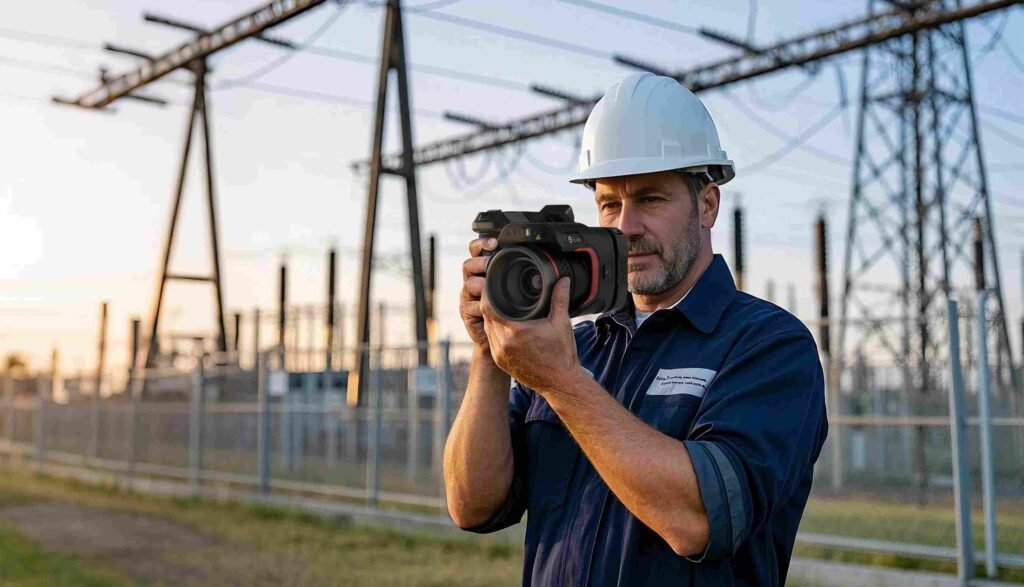

In today’s rapidly advancing technological landscape, safety and operational efficiency have become top priorities across various industries. One innovation that has made a significant impact is multifunctional infrared thermal camera imaging. These advanced devices allow for precise detection of temperature variations, providing real-time insights that improve safety protocols, optimize maintenance processes, and enhance overall operational performance.
Understanding Multifunctional Infrared Thermal Camera Imaging
Multifunctional infrared thermal camera imaging combines traditional imaging with infrared thermal sensing. Unlike standard cameras, which rely on visible light, thermal cameras detect heat emitted by objects, enabling operators to see temperature differences that are invisible to the naked eye. This functionality makes them indispensable in industries where early detection of hazards is critical.
The term “multifunctional” highlights the versatility of these devices. Modern infrared thermal cameras are equipped with multiple features such as:
- High-resolution thermal imaging
- Real-time temperature mapping
- Automated alarm triggers for temperature anomalies
- Integration with analytics software for predictive maintenance
- Remote monitoring capabilities
This combination of functions ensures that organizations can detect problems before they escalate, saving time, resources, and potentially lives.
Enhancing Workplace Safety
One of the most significant applications of multifunctional infrared thermal camera imaging is enhancing workplace safety. In industrial environments, equipment overheating can lead to fires, mechanical failures, or hazardous chemical reactions. Traditional inspection methods, which often rely on manual temperature checks, are slow, labor-intensive, and sometimes dangerous.
With thermal imaging, operators can quickly identify areas of excessive heat without needing to be in close proximity to potentially dangerous machinery. For example, electrical panels, motors, and pipelines can be monitored continuously, allowing teams to address overheating issues proactively. This not only prevents accidents but also reduces downtime caused by unexpected equipment failures.
Additionally, in sectors such as oil and gas, chemical plants, and manufacturing facilities, multifunctional infrared thermal camera imaging plays a crucial role in compliance with safety regulations. Early detection of hotspots and leaks ensures that safety standards are maintained, protecting both employees and the environment.
Improving Predictive Maintenance
Maintenance strategies have evolved from reactive to predictive, and multifunctional infrared thermal camera imaging has been central to this transformation. Predictive maintenance relies on real-time data to forecast when equipment is likely to fail, allowing companies to perform maintenance only when necessary. This reduces costs associated with unnecessary maintenance while preventing catastrophic failures.
Thermal cameras detect anomalies such as uneven heat distribution, which often indicates friction, misalignment, or electrical issues. By monitoring these indicators continuously, maintenance teams can intervene before minor issues develop into significant problems. This approach increases machinery lifespan, reduces unplanned downtime, and optimizes resource allocation, leading to higher overall efficiency.
Enhancing Security and Surveillance
Beyond industrial applications, multifunctional infrared thermal camera imaging is increasingly used in security and surveillance. Traditional cameras are limited by lighting conditions and can be ineffective at night or in smoke-filled environments. Thermal cameras, however, operate based on heat signatures, making them highly effective in detecting intruders, unauthorized personnel, or hidden threats under low-visibility conditions.
Security teams in airports, power plants, and critical infrastructure facilities benefit from the enhanced situational awareness provided by thermal imaging. The multifunctionality of these cameras allows integration with motion sensors and AI-based analytics, enabling automated threat detection and faster response times. This proactive approach reduces risk and ensures a safer environment for employees and the public.
Supporting Firefighting and Emergency Response
Firefighting and emergency response teams also leverage multifunctional infrared thermal camera imaging to improve operational efficiency and safety. In fire scenarios, visibility is often severely limited due to smoke and flames. Thermal cameras help firefighters identify hotspots, locate trapped individuals, and navigate hazardous environments safely.
These devices provide real-time thermal maps that allow responders to prioritize areas that require immediate attention, reducing rescue times and increasing survival rates. Multifunctional capabilities such as video recording, thermal overlay on visible images, and remote monitoring further enhance coordination and decision-making during critical incidents.
Energy Audits and Environmental Monitoring
Another important application of multifunctional infrared thermal camera imaging is in energy efficiency and environmental monitoring. Buildings, industrial plants, and power grids can experience significant energy losses due to insulation gaps, overheating equipment, or inefficient processes. Thermal imaging allows experts to identify these inefficiencies quickly and accurately.
For example, energy auditors use infrared thermal cameras to detect heat leakage in buildings, assess HVAC system performance, and optimize energy consumption. In environmental monitoring, thermal imaging helps track wildlife, monitor water temperatures, and identify pollution sources. By combining multiple functions in a single device, organizations can improve sustainability while maintaining operational efficiency.
Integration with Modern Technologies
The effectiveness of multifunctional infrared thermal camera imaging is amplified when integrated with other technologies. AI and machine learning algorithms analyze thermal data in real-time, identifying patterns and predicting potential hazards. IoT integration allows remote monitoring of multiple sites, providing centralized control and instant alerts.
Cloud-based platforms further enhance the functionality of thermal cameras by storing historical data, generating comprehensive reports, and enabling collaborative decision-making. These integrations not only improve safety and efficiency but also provide actionable insights for long-term operational planning.
Conclusion
The adoption of multifunctional infrared thermal camera imaging is transforming safety, maintenance, and operational practices across industries. Its ability to detect temperature anomalies, monitor equipment, enhance security, and support emergency response makes it an indispensable tool in modern operations. By combining multiple functions in one versatile device, organizations can reduce risks, prevent costly failures, optimize energy usage, and ultimately enhance efficiency.
As technology continues to advance, the potential applications of multifunctional infrared thermal camera imaging will expand even further. Companies that embrace these innovations are better equipped to maintain a safe and efficient operational environment, ensuring that both employees and assets are protected. In an era where safety and efficiency are paramount, thermal imaging is not just an advantage—it is a necessity.