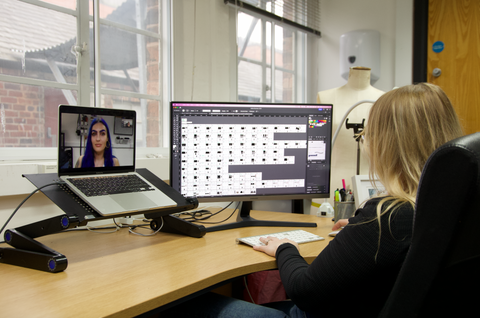
The New Era of Fashion Design and Digital Transformation
The fashion industry has always been driven by creativity, craftsmanship, and precision. However, in recent years, digital transformation has reshaped how designers conceptualize, develop, and produce garments. One of the most impactful innovations in this space is the AI Tech Pack Generator for Fashion Designers, which is revolutionizing traditional workflows and redefining efficiency standards across the apparel ecosystem.
At the center of this transformation are AI Tech Packs, which are automated, intelligent versions of traditional technical packs used in fashion production. These digital documents include detailed specifications such as fabric information, measurements, stitching instructions, colorways, and construction notes. With the help of AI, these once time-consuming documents are now created faster, more accurately, and with significantly less manual effort.
Understanding AI Tech Packs in Modern Fashion Workflow
AI Tech Packs are reshaping how fashion designers communicate their ideas to manufacturers and production teams. Traditionally, creating a tech pack required hours or even days of manual work, involving spreadsheets, sketches, and technical writing. Errors in these documents often led to production delays, increased costs, and miscommunication between teams.
With the introduction of AI Tech Pack Generator tools, much of this process is automated. Designers can input design concepts, sketches, or simple descriptions, and the AI system generates a complete technical pack with structured data and industry-standard formatting.
This transformation is not just about convenience—it represents a fundamental shift in how fashion production pipelines operate. AI Tech Packs ensure consistency, reduce human error, and improve collaboration between designers, pattern makers, and manufacturers across different regions.
How AI Tech Pack Generators Improve Design Efficiency
One of the most significant benefits of the AI Tech Pack Generator for Fashion Designers is the dramatic increase in productivity. Designers no longer need to spend excessive time preparing technical documentation. Instead, they can focus more on creativity and innovation.
AI-powered systems analyze design inputs and automatically generate detailed specifications. This includes garment measurements, grading rules, fabric suggestions, and stitching guidelines. By automating these repetitive tasks, AI Tech Packs allow designers to accelerate their workflow without compromising quality.
Another important advantage is version control. In traditional workflows, multiple revisions of a tech pack could create confusion. AI systems maintain structured updates, ensuring that every stakeholder works with the most current version of the design document.
Reducing Errors and Improving Production Accuracy
Miscommunication between designers and manufacturers has always been a major challenge in fashion production. Even a small error in measurement or material specification can result in costly production mistakes. AI Tech Packs significantly reduce these risks.
By using standardized templates and intelligent validation systems, AI Tech Pack Generator tools ensure that all necessary information is included and correctly formatted. This leads to fewer production errors and higher accuracy in garment manufacturing.
Additionally, AI systems can cross-check data for inconsistencies. For example, if a fabric type does not align with the intended garment structure, the system can flag potential issues before production begins. This predictive capability enhances quality control and reduces waste.
Enhancing Collaboration Across Global Fashion Teams
Modern fashion brands often operate across multiple countries, with design teams, suppliers, and manufacturers spread globally. Communication gaps can slow down production and create inconsistencies. AI Tech Packs help bridge this gap by providing a universal, standardized format that is easy to understand regardless of location.
With AI Tech Packs, designers can share real-time updates with production teams anywhere in the world. This improves transparency and ensures that everyone involved in the manufacturing process is aligned with the same design vision.
The AI Tech Pack Generator also supports multilingual capabilities in some systems, making it even easier for international teams to collaborate effectively. This global accessibility is transforming how fashion brands operate in an increasingly interconnected market.
Driving Sustainability Through Smart Design Systems
Sustainability has become a major focus in the fashion industry, and AI Tech Packs are playing a crucial role in supporting eco-friendly practices. By optimizing material usage and reducing production errors, AI systems help minimize waste during manufacturing.
AI Tech Pack Generator tools can also recommend sustainable fabric alternatives based on design requirements. This enables designers to make environmentally conscious decisions without sacrificing style or quality.
Furthermore, better accuracy in production reduces the likelihood of overproduction or defective batches, both of which contribute to environmental waste. As a result, AI Tech Packs are not only improving efficiency but also supporting the industry’s shift toward sustainability.
Empowering Independent Designers and Small Brands
Previously, high-quality tech pack creation was often limited to large fashion houses with dedicated technical teams. However, AI Tech Packs are democratizing access to professional-grade design tools.
Independent designers and small fashion brands can now use AI Tech Pack Generator platforms to create industry-standard documentation without needing extensive technical expertise. This levels the playing field and allows emerging designers to compete more effectively in the market.
By reducing costs and simplifying complex processes, AI Tech Packs enable creative entrepreneurs to bring their ideas to life faster and more efficiently than ever before.
The Future of AI in Fashion Design Workflows
As artificial intelligence continues to evolve, the capabilities of AI Tech Pack Generators will become even more advanced. Future systems are expected to integrate 3D modeling, real-time fabric simulation, and predictive trend analysis directly into the tech pack creation process.
This means designers will not only be able to generate technical documents but also visualize how garments will behave in real-world conditions before production begins. Such innovations will further reduce risks and enhance design precision.
AI Tech Packs will also become more adaptive, learning from past design data to suggest improvements and optimize future collections. This continuous learning process will make fashion design more intelligent and data-driven.
Transforming the Industry from Concept to Production
The impact of AI Tech Pack Generator tools extends across the entire fashion value chain. From initial concept development to final garment production, every stage benefits from improved accuracy, speed, and collaboration.
AI Tech Packs are not just a technological upgrade—they represent a complete transformation of how fashion is designed and produced. By automating complex documentation processes, reducing errors, and enhancing global collaboration, they are reshaping the industry’s foundation.
As more brands adopt AI-driven workflows, the fashion industry will continue to evolve into a more efficient, sustainable, and innovation-focused ecosystem.
Conclusion: A New Standard for Fashion Innovation
The rise of AI Tech Pack Generator technology marks a turning point in fashion design history. What was once a manual, time-intensive process is now becoming streamlined, intelligent, and highly efficient.
AI Tech Packs empower designers to focus on creativity while ensuring technical precision and production reliability. They improve collaboration, reduce waste, and support sustainability goals across the industry.