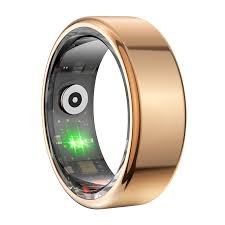

Technology has become an essential part of modern life, influencing how people communicate, work, exercise, and manage their daily routines. Wearable gadgets are an important part of this transformation because they bring useful digital features directly to the user’s wrist or finger. From smartwatches that display notifications to compact rings that monitor selected health and activity measurements, wearable devices offer practical ways to stay connected and understand everyday habits.
Colmi is a brand associated with accessible wearable technology, including smartwatches and smart rings. Its products appeal to consumers who want to explore connected devices without necessarily investing in expensive premium alternatives. Depending on the model, users may find features such as activity tracking, sleep monitoring, heart rate measurements, and smartphone connectivity.
Choosing the right wearable, however, involves more than comparing prices. Comfort, battery life, compatibility, measurement reliability, and the features that genuinely matter to the user should all influence the purchasing decision. By understanding these considerations, consumers can make better choices when exploring affordable smart gadgets for everyday life.
Understanding the Growth of Wearable Technology
Wearable technology has evolved from simple digital watches into connected devices capable of collecting information, displaying notifications, and supporting everyday activities. These gadgets combine sensors, wireless communication, software, and compact batteries to deliver useful functions in a small form factor.
Smartwatches remain popular because their screens provide convenient access to notifications, activity information, timers, and other tools. Smart rings offer a different experience by placing selected tracking features inside a small ring worn on a finger.
Both categories have advantages. A smartwatch is useful for people who prefer a visible display and quick access to digital functions. A smart ring may appeal to someone who wants a more discreet device that can be worn throughout the day and, where appropriate, overnight.
The growing availability of affordable devices has made wearable technology accessible to more consumers. Rather than paying for every advanced feature available on premium products, shoppers can focus on the functions they are most likely to use.
Introducing Colmi Smart Gadgets
Colmi offers wearable products designed for consumers interested in accessible technology. Its range has included smartwatches and smart rings, with different models providing different combinations of features and designs.
When researching Colmi products, it is important to distinguish between the capabilities of individual models. Features available on one smartwatch or ring may not be included in another. Similarly, specifications, software support, battery performance, and smartphone compatibility can vary.
Consumers should therefore review the exact product description before purchasing. A useful comparison includes the supported tracking functions, companion application, charging method, water-resistance rating, and any ongoing costs associated with using the device.
For first-time wearable buyers, an affordable model can be a practical introduction to digital activity tracking. It provides an opportunity to learn which functions are useful before deciding whether a more advanced device would offer meaningful additional value.
Why Affordable Wearables Appeal to Everyday Users
Price is an important consideration when purchasing consumer electronics. Although premium wearables may include sophisticated sensors, advanced software, and extensive integrations, not every user needs every available feature.
Affordable devices can be attractive to students, casual fitness enthusiasts, office workers, and people who simply want convenient access to basic tracking tools.
For example, someone who wants to observe daily activity may not require advanced sports analytics. Another person may value sleep summaries and heart rate readings more than a large touchscreen or extensive application support.
A lower purchase price can make experimentation easier, but affordability should not be the only deciding factor. A device that is uncomfortable, difficult to connect, or unreliable in everyday use may provide poor value regardless of its initial cost.
The best approach is to identify a few essential features and compare products against those requirements.
Exploring Smart Rings as a Compact Wearable Option
Smart rings are designed to place selected electronic sensors and tracking functions inside a compact ring-shaped device. Their small size distinguishes them from conventional smartwatches, which generally include a larger screen and more visible controls.
Depending on the model, a smart ring may collect information related to movement, sleep, and heart rate. Some products also provide summaries through a connected smartphone application.
The absence of a large screen can make a ring feel less intrusive during certain activities. Users can check their information through an application instead of viewing detailed readings directly on the device.
However, a compact design also creates limitations. Smart rings generally offer fewer on-device controls than smartwatches, and their usefulness depends heavily on the quality of their companion applications and sensors.
Anyone considering a ring should think about when they plan to wear it, which measurements they want to review, and whether its design suits their normal activities.
Choosing a Budget Smart Ring With Heart Rate Tracking
A budget smart ring with heart rate tracking may appeal to people who want to explore basic wellness measurements without spending heavily on wearable technology.
Heart rate tracking generally uses optical sensors to estimate the number of heartbeats per minute. The device shines light into the skin and measures changes associated with blood flow. Software then processes those signals to estimate heart rate.
The accuracy of these readings can vary according to sensor quality, fit, movement, skin characteristics, temperature, and other conditions. A ring that fits correctly may produce more consistent measurements than one that moves excessively on the finger.
Before choosing a budget model, check whether heart rate tracking is continuous, available only during selected measurements, or dependent on particular settings. Also review how readings are displayed in the companion application and whether the device stores historical information.
It is important to remember that consumer wearable measurements are estimates rather than medical diagnoses. Anyone who needs reliable medical monitoring should follow advice from a qualified healthcare professional and use suitable medical equipment when recommended.
Understanding the Main Features of Smart Rings
Smart rings can offer several features beyond heart rate tracking, although the exact selection depends on the model.
Heart Rate Monitoring
Heart rate monitoring can help users observe general patterns during rest and everyday activities. Reviewing measurements over time may provide context about how the body responds to different routines.
For example, users might compare readings recorded during quiet periods with those taken after ordinary physical activity. However, measurements can be affected by movement and sensor fit, so individual readings should not be treated as definitive health assessments.
Sleep Tracking
Some smart rings estimate sleep duration and divide recorded sleep into categories. The associated application may present summaries intended to help users understand their sleep routines.
These estimates can be useful for observing general patterns, such as changes in bedtime or the amount of time spent resting. Nevertheless, consumer wearables cannot determine every aspect of sleep quality, and their sleep-stage estimates may differ from clinical measurements.
Users should treat sleep data as an approximate guide rather than a complete assessment of their health.
Activity Tracking
Depending on the model, a smart ring may count steps, estimate activity levels, or record movement during the day.
These functions can help users become more aware of their habits. Someone who spends much of the day sitting, for example, might use activity summaries as a reminder to include more movement in their routine.
Step counts and activity estimates are not perfectly precise, so consistency and personal trends are often more useful than treating every measurement as exact.
Smartphone Application Integration
A companion application usually serves as the main interface for reviewing information collected by a smart ring. It may display daily summaries, historical charts, and available settings.
Before purchasing a Colmi smart ring, confirm that its application supports your smartphone’s operating system and that the functions you need are available in your region.
It is also worth reviewing application permissions and privacy information to understand what data is collected, how it is stored, and whether it can be shared with other services.
Smartwatches Versus Smart Rings: Which Is More Suitable?
The choice between a smartwatch and a smart ring depends on how a person prefers to interact with technology.
A smartwatch is often more suitable for users who want notifications, a screen, quick controls, and a broad selection of everyday functions. Depending on the model, it may also support sports modes, alarms, music controls, and additional smartphone integrations.
A smart ring may be better suited to someone who prefers a smaller device and wants to focus on selected tracking features. It can be convenient for users who do not want to wear a watch throughout the day, although comfort varies from person to person.
Battery life also differs between models. A ring may have a smaller battery, but its power requirements can differ from those of a smartwatch because it has no large display. Actual battery performance depends on sensor activity, connection frequency, software, and usage patterns.
Rather than assuming one category is universally better, compare the available functions with your everyday needs.
Design, Comfort, and Everyday Wearability
A wearable device needs to be comfortable enough for regular use. Even a product with useful features may be disappointing if its shape, weight, or material causes inconvenience.
Smart rings require particular attention to sizing. Fingers can change slightly in size throughout the day because of temperature, activity, and other normal factors. A ring that is too tight may be uncomfortable, while a loose ring may move and affect sensor contact.
Follow the manufacturer’s sizing guidance and return policy before ordering. If a sizing kit is available, using it can help reduce the chance of choosing an unsuitable size.
Material and finish also matter. Consider whether the ring’s surface is comfortable, whether its appearance suits your preferences, and whether it can tolerate your normal activities.
For both smart rings and smartwatches, check the manufacturer’s cleaning and care recommendations. Avoid assuming that a device is waterproof simply because it is marketed as a fitness wearable.
Battery Life and Charging Convenience
Battery life influences how easily a wearable fits into a daily routine. Some devices may operate for several days between charges, while others require more frequent charging. Advertised estimates are usually based on particular usage conditions and may not reflect every person’s experience.
Continuous tracking, frequent measurements, smartphone connectivity, and application settings can affect power consumption. Reviewing the manufacturer’s stated battery performance can help set realistic expectations.
Smart rings often use compact charging accessories, such as a dedicated charging cradle or case, depending on the design. Smartwatches may use magnetic charging cables, proprietary docks, or other charging arrangements.
Before purchasing, check how the device charges, how long a typical charge takes, and whether replacement accessories are readily available. These practical details can be just as important as the sensor specifications.
Water Resistance and Daily Activities
Water resistance can be a useful feature for people who wear their devices during everyday activities. However, the level of protection varies between products, and different ratings indicate different levels of resistance.
A device that tolerates splashes may not be suitable for swimming or prolonged immersion. Similarly, exposure to hot water, steam, detergents, or salt water may be restricted even when a product has a water-resistance rating.
Check the exact model’s documentation before wearing it in a shower, pool, or other wet environment. Follow the manufacturer’s recommendations for cleaning and drying the device.
Understanding these limits can help protect the wearable and avoid damage that may not be covered by the warranty.
Privacy and Personal Data Considerations
Wearable devices can collect personal information, including activity records, heart rate estimates, and sleep-related data. The companion application may store some information locally or transmit it to online services.
Before connecting a device, review the application’s privacy policy and permissions. Consider whether it requests access to information that is necessary for the features you intend to use.
Use a secure password for associated accounts when applicable, keep the application updated, and review available data-sharing controls. If the application allows information to be exported or deleted, understand how those options work.
Privacy should be part of the purchasing decision, especially for devices that collect information continuously or maintain long-term personal records.
How to Evaluate Value Before Buying
Comparing prices is useful, but value depends on the complete ownership experience. A slightly more expensive product may offer better support, longer practical battery life, clearer software, or a more suitable warranty.
Start by identifying your priorities. These might include heart rate tracking, sleep summaries, step counting, comfort, or smartphone compatibility. Then compare the products that meet those requirements.
Review the following points before making a purchase:
- Feature availability: Confirm that the specific model supports the functions you need.
- Compatibility: Check the supported smartphone operating system and application requirements.
- Battery performance: Compare realistic expectations rather than relying only on advertised maximum figures.
- Warranty: Understand the coverage period, exclusions, and process for obtaining assistance.
- Software support: Look for information about application updates and ongoing compatibility.
- Additional costs: Check whether essential features require a subscription or other payment.
This approach helps prevent paying for features that are rarely used while avoiding products that lack important capabilities.
Getting Started With a Colmi Wearable
After purchasing a compatible Colmi device, follow the supplied setup instructions. Depending on the model, initial setup may involve charging the device, installing the companion application, enabling Bluetooth, and completing the pairing process.
Once connected, review the available settings and select the features you intend to use. You may be able to configure measurement frequency, activity goals, notifications, or sleep-related functions, depending on the device.
Wear the device according to the manufacturer’s instructions and check that it fits comfortably. Allow enough time to understand how the application presents information before drawing conclusions from individual measurements.
Keeping the software updated and cleaning the device as recommended can help maintain a satisfactory everyday experience.
Common Mistakes to Avoid When Buying Wearable Gadgets
One common mistake is assuming that every model from the same brand has identical capabilities. Product ranges change, and specifications can differ substantially between versions. Always check the exact model number and current documentation.
Another mistake is treating wearable readings as perfectly accurate. Heart rate, sleep, and activity measurements can be affected by sensor design and everyday conditions. They are best used as estimates for observing general patterns.
Some buyers also overlook comfort and sizing, particularly when choosing a smart ring online. Since a wearable may be used for many hours, physical fit deserves careful attention.
Finally, avoid choosing a product solely because it has the lowest price. Software quality, compatibility, warranty coverage, privacy, and customer support can all influence long-term satisfaction.
The Future of Affordable Wearable Technology
Wearable technology continues to develop as manufacturers explore smaller sensors, improved battery efficiency, and more useful software experiences. Affordable devices are an important part of this market because they allow more people to experience connected technology.
Future products may offer more convenient interfaces, improved tracking consistency, and broader integration with smartphones and other connected devices. However, specific improvements depend on the manufacturer and product, so buyers should evaluate currently available features rather than purchasing based on promises about future capabilities.
As consumers become more familiar with wearable technology, practical considerations such as comfort, privacy, reliability, and ease of use are likely to remain central to purchasing decisions.
Conclusion
Colmi wearable technology offers consumers an opportunity to explore smartwatches and smart rings designed for everyday convenience. By comparing features, comfort, compatibility, battery life, and software support, buyers can identify a device that suits their routines and budget.
For people interested in a budget smart ring with heart rate tracking, the most important step is to verify the exact model’s sensor capabilities and understand the limitations of its measurements. Heart rate monitoring, activity summaries, and sleep estimates can offer useful general information, but they should not replace professional medical assessment.
Ultimately, the best wearable is not necessarily the most expensive or feature-packed option. It is the one that fits comfortably, performs the functions you value, protects your personal information, and provides dependable everyday usefulness. With careful research, consumers can make informed decisions and get more value from affordable wearable technology.
