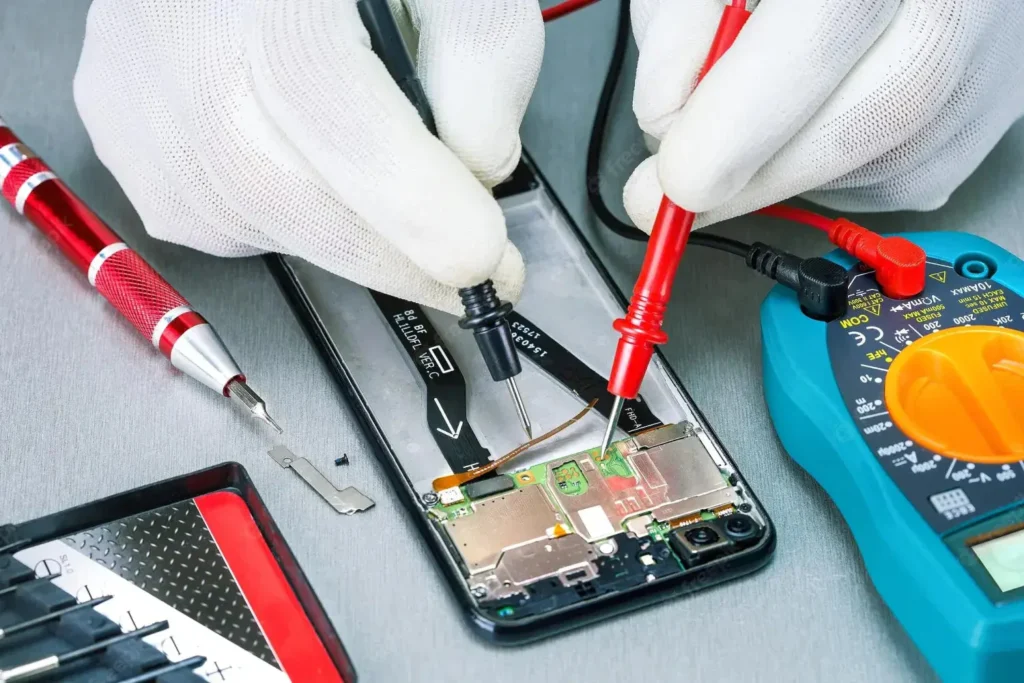

When it comes to repairing modern smartphones, tablets, and other mobile devices, precision is everything. One of the most critical tools in the repair toolkit is high-quality Phone Soldering flux. Selecting the right solder paste can make the difference between a successful repair and a frustrating failure. In this guide, we’ll explore how to choose the best phone solder paste for precision repairs, factors to consider, and tips to maximize efficiency and reliability.
Understanding Phone Solder Paste
Phone solder paste is a combination of tiny solder particles suspended in a flux medium. This paste is applied to circuit boards to facilitate the reflow soldering process, connecting electronic components securely to the board. Unlike traditional solder wire, solder paste allows for more precise application, which is essential for the tiny, densely packed components found in smartphones.
There are several types of phone solder paste, including leaded and lead-free formulations. Each type has specific properties that affect melting point, adhesion, and ease of use. Understanding these differences is key when choosing the best solder paste for your repair work.
Factors to Consider When Choosing Phone Solder Paste
Composition and Type
The first factor to consider is the composition of the solder paste. Leaded solder paste typically melts at a lower temperature and provides better wetting, making it easier to work with in precision repairs. However, lead-free solder paste is more environmentally friendly and required by regulations in many regions. Popular lead-free options include tin-silver-copper (SAC) alloys.
When selecting phone solder paste, make sure to check the type recommended for the components you are repairing. Using the wrong composition can result in poor connections or even damage to sensitive parts.
Particle Size
Solder paste particle size is measured in “mesh” or “microns” and affects how smoothly the paste spreads and how well it fills small pads. For smartphone repairs, fine particle solder paste is ideal because mobile devices often have tiny BGA, QFN, or CSP components. A typical range for precision phone repairs is 3–4 mil (75–100 microns) particle size.
Flux Type
The flux in solder paste is responsible for cleaning surfaces and promoting adhesion during soldering. Phone solder paste typically uses either no-clean flux or water-soluble flux. No-clean flux leaves minimal residue and is suitable for most smartphone repairs, while water-soluble flux may require cleaning but can be more effective for stubborn oxidized surfaces. Choose a flux type compatible with your workflow and cleaning capabilities.
Shelf Life and Storage
Solder paste has a limited shelf life and must be stored properly to maintain performance. Exposure to air, humidity, or high temperatures can degrade its effectiveness. Look for solder paste with a long shelf life and always store it in a refrigerator at the recommended temperature. Some high-quality phone solder paste brands offer extended shelf life versions, which are especially useful for repair shops that don’t use paste frequently.
Viscosity and Printing Performance
The viscosity of phone solder paste affects how it applies and holds its shape during reflow soldering. For precision repairs, you want a paste that maintains its definition on tiny pads without spreading excessively. This ensures components are accurately placed and reduces the risk of solder bridging or misalignment. Some pastes are designed specifically for stencil printing, while others work better with dispensing syringes for hand repairs.
Melting Temperature and Reflow Profile
Each phone solder paste has a specific melting temperature and reflow profile. Leaded solder paste melts around 183°C (361°F), whereas lead-free options melt closer to 217–220°C (423–428°F). Matching the solder paste to your rework station’s temperature capabilities is essential to avoid thermal damage to delicate components. Consider the reflow profile recommended by the manufacturer and ensure your equipment can achieve the proper heat ramp and cooling rates.
Brand Reputation and Quality
Not all solder pastes are created equal. Choosing a reputable brand can save you time, reduce defects, and improve repair success rates. Brands known for phone solder paste often provide detailed specifications, technical support, and consistency in performance. While cheaper alternatives may seem appealing, substandard solder paste can cause bridging, cold joints, or inconsistent reflow, making repairs more difficult.
Application Method
Different phone solder pastes are suited for different application methods. Syringe-applied solder paste offers control for fine-pitch components and small repair jobs, while stencil-applied paste is ideal for batch rework or larger areas. Choose a paste that matches your typical repair scenario to maximize efficiency and accuracy.
Tips for Using Phone Solder Paste Effectively
- Prepare the Surface Properly – Clean the pads thoroughly before applying solder paste. Contaminants like dust, oils, or oxidation can prevent proper solder flow and adhesion. Isopropyl alcohol is commonly used for cleaning circuit boards prior to soldering.
- Use the Right Amount – Applying too much solder paste can lead to bridging, while too little can result in weak joints. Use a small tip or stencil to control the amount accurately, especially on micro components.
- Work in a Controlled Environment – Temperature and humidity affect solder paste performance. Avoid areas with high humidity or dust, and work at recommended ambient temperatures for optimal results.
- Reflow with Care – Follow the manufacturer’s recommended reflow profile, including preheat, soak, and cooling stages. Rapid temperature changes can damage sensitive smartphone components.
- Inspect and Test – After soldering, inspect joints under a microscope to ensure proper connections. Testing functionality before full reassembly helps identify issues early.
- Proper Storage – Return unused solder paste to refrigeration immediately and seal it to prevent exposure to air. This maintains the paste’s consistency and extends its usable life.
Common Mistakes to Avoid
One of the most common mistakes in phone repair is using the wrong solder paste for the job. Using a high-temperature paste on delicate components can burn them, while low-quality paste may create cold joints. Avoid substituting leaded and lead-free pastes indiscriminately, and always follow the manufacturer’s specifications.
Another frequent error is improper handling of solder paste. Contamination from fingers, dirt, or improper storage can drastically reduce performance. Always use clean tools and store paste according to guidelines.
Conclusion
Selecting the right phone solder paste is essential for precision repairs, whether you are working on a cracked motherboard, a tiny BGA chip, or delicate connectors. By considering factors like composition, particle size, flux type, viscosity, reflow profile, and brand quality, you can ensure reliable connections and efficient repairs. Combining the right paste with careful handling, proper application, and controlled reflow will help you achieve professional-grade results every time.
Investing in high-quality phone solder paste not only improves repair success but also reduces time spent troubleshooting and reworking. With the proper selection and technique, even the smallest and most complex smartphone repairs can be executed with confidence and precision.
Choosing the best phone solder paste is not just about the brand or price; it’s about understanding your specific repair needs and matching them with the right product. With attention to detail and careful practice, you can make your smartphone repairs smoother, faster, and more reliable than ever before.