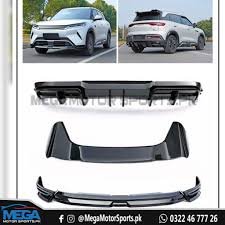

Choosing the right bodykits for your vehicle can completely transform its appearance. Whether you want a sportier look, a more aggressive stance, or a cleaner custom style, a well-designed bodykits bodykit can make your car stand out. However, buying a bodykit is not simply about choosing the most attractive design. Fitment, material, installation, quality, compatibility, and overall cost are all important factors to consider.
With so many styles and manufacturers available, understanding the basics before making a purchase can help you avoid unnecessary expenses and ensure that your vehicle receives the upgrade you want.
What Are Bodykits?
Bodykits are collections of exterior automotive components designed to modify the appearance and, in some cases, the aerodynamic characteristics of a vehicle. Depending on the kit, these components can include front bumpers, rear bumpers, side skirts, spoilers, diffusers, fender extensions, and other styling parts.
Some bodykits are designed primarily for visual enhancement, while others are developed with aerodynamics and performance in mind. A complete kit can create a coordinated appearance because all of the components are designed to work together stylistically.
For car enthusiasts, bodykits offer an opportunity to personalize a vehicle and create a distinctive appearance without replacing the entire car.
Why Consider Installing a Bodykit?
There are several reasons vehicle owners choose to install bodykits. The most obvious benefit is improved styling. A well-selected kit can give an ordinary factory vehicle a more dynamic and personalized appearance.
Create a Unique Appearance
Factory vehicles are produced for a broad market, so many cars look similar when they leave the showroom. Bodykits allow owners to create a more individual design. Different bumper shapes, side skirts, spoilers, and diffusers can dramatically change the visual character of a vehicle.
Improve the Vehicle’s Stance
Some bodykit designs make a vehicle appear wider, lower, or more aggressive. When combined with appropriate wheels and suspension modifications, the result can be a balanced and sporty appearance.
Support Aerodynamic Styling
Certain performance-oriented bodykits are designed to manage airflow around the vehicle. Features such as front splitters, rear diffusers, and spoilers may contribute to aerodynamic efficiency when properly engineered and installed.
Types of Bodykits Available
Understanding the different types of bodykits can make the buying process easier. Not every driver needs a complete kit, and individual components can sometimes provide the desired transformation.
Full Bodykits
A full bodykit generally includes several major exterior components designed to create a complete styling transformation. Depending on the manufacturer, it may include front and rear bumpers, side skirts, spoilers, and additional aerodynamic parts.
Full kits are ideal for owners who want a consistent design throughout the vehicle.
Lip Kits
Lip kits are generally more subtle than complete bodykits. They may include front lips, side extensions, or rear lips that attach to existing factory components.
This option can be useful for drivers who want a sportier appearance while retaining much of the original vehicle design.
Widebody Kits
Widebody kits are designed to significantly increase the visual width of a vehicle. They commonly include wider fenders or fender extensions along with other matching components.
Widebody conversions can create a dramatic appearance, but they may require additional modifications to wheels, tires, suspension, and other components.
Choosing the Right Material
The material used to manufacture a bodykit can affect its weight, durability, flexibility, finish, and price. Several materials are commonly used in aftermarket automotive styling.
Fiberglass
Fiberglass bodykits are popular because they can be relatively affordable and can be shaped into complex designs. However, fiberglass can be more susceptible to cracking if it experiences significant impact or improper installation.
Polyurethane
Polyurethane is known for its flexibility and impact resistance. It can be a practical choice for components that may encounter road debris or minor contact.
ABS Plastic
ABS plastic is another common material used for automotive exterior components. It offers a balance between durability, weight, and manufacturing consistency.
Carbon Fiber
Carbon fiber is often selected for its lightweight construction and distinctive appearance. It is commonly associated with premium or performance-focused styling, although it can cost considerably more than other materials.
Fitment Is One of the Most Important Factors
Before purchasing bodykits, always confirm that the components are specifically designed for your vehicle. Even vehicles that share a similar model name may have different body dimensions depending on the year, trim, market, or facelift version.
Check the exact make, model, year, body style, and trim level before ordering. A kit that fits one version of a vehicle may not necessarily fit another.
Good fitment can reduce installation time and help create a professional-looking finished result. Poorly fitting parts may require extensive adjustment, modification, or additional bodywork.
Think About Installation Before Buying
Installation requirements can vary significantly between different bodykits. Some components may install relatively easily, while complete conversions can require professional bodywork and painting.
Professional Installation
Professional installation is often recommended for complex bodykits. Experienced technicians can properly align panels, prepare surfaces, make necessary adjustments, and ensure that mounting points are secure.
Professional installation can also help prevent issues such as uneven panel gaps, loose components, or premature damage.
Painting and Finishing
Many aftermarket bodykit components require preparation and painting before installation. The process may include sanding, priming, color matching, and clear coating.
When calculating your budget, remember to include these additional costs rather than considering only the purchase price of the kit.
Set a Realistic Budget
The price of bodykits can vary widely depending on the design, material, manufacturer, and number of components included. A cheaper kit may appear attractive initially, but additional expenses can increase the final cost.
Consider the complete project budget, including the bodykit, shipping, installation, preparation, paint, hardware, and possible modifications.
Spending more on properly manufactured components may also provide better fitment and reduce installation difficulties.
Check Quality Before Purchasing
Quality should be one of your main priorities. Examine product specifications, construction details, available installation information, and customer feedback before making a decision.
Avoid selecting bodykits based solely on photographs. A design may look excellent online, but the actual quality and fitment can be very different.
If possible, choose a reputable supplier that provides clear information about compatibility, materials, installation requirements, and warranty coverage.
Consider Your Vehicle’s Overall Style
A bodykit should complement the rest of your vehicle. Consider your wheels, paint color, suspension height, exhaust system, and other modifications before selecting a design.
A highly aggressive kit may look out of place on a vehicle with completely standard wheels and suspension. Similarly, subtle styling components may be preferable if you want to maintain a factory-inspired appearance.
The best result usually comes from creating a balanced design rather than installing as many aftermarket parts as possible.
Final Thoughts
Buying bodykits can be an exciting way to personalize your vehicle and create a completely different appearance. However, the best purchase requires more than choosing a design that looks impressive. Material quality, vehicle compatibility, fitment, installation, finishing requirements, and total project cost should all be considered before placing an order.
Take time to research different options and make sure the kit matches your vehicle’s exact specifications. If the project involves extensive modifications, professional installation can help achieve a cleaner and more reliable result.
With careful planning and quality components, the right bodykit can give your vehicle a distinctive appearance while allowing you to express your personal automotive style.