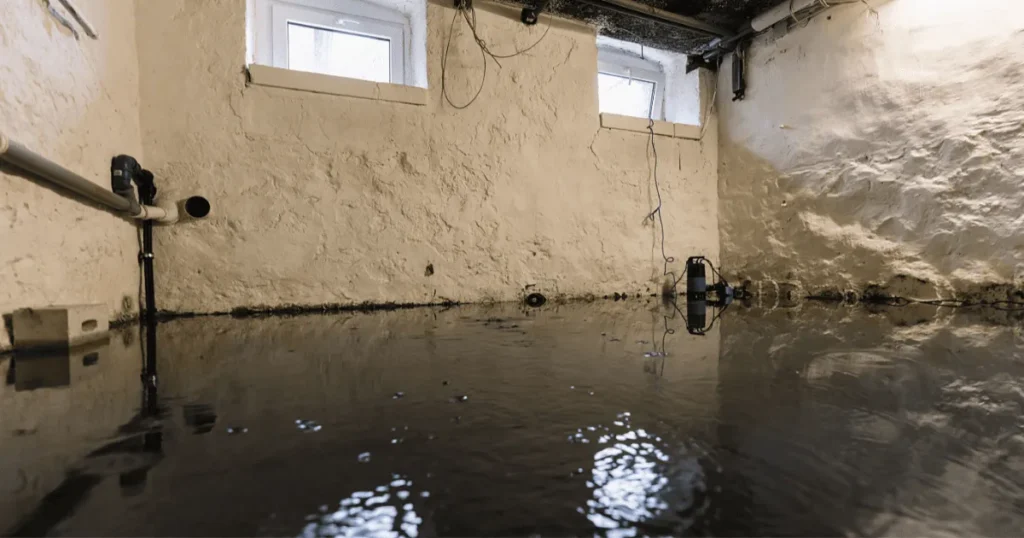

Basement flooding can be a homeowner’s nightmare, causing extensive property damage, health risks, and emotional stress. Understanding how to handle basement flooding clean up efficiently is crucial to minimize losses and prevent long-term issues such as mold and structural damage. This guide will walk homeowners through the essential steps, precautions, and best practices for effective basement flooding clean up.
Understanding the Causes of Basement Flooding
Basement flooding can occur due to several factors, including heavy rainfall, plumbing leaks, broken sump pumps, or sewer backups. Homes with poor drainage systems or those situated in low-lying areas are particularly vulnerable. Recognizing the cause of flooding is essential because it determines the clean-up approach and whether professional help is needed. For instance, water from a sewer backup carries harmful pathogens and requires specialized handling, while rainwater flooding might allow more straightforward clean-up if addressed quickly.
Immediate Steps After Basement Flooding
Safety is the top priority when dealing with basement flooding clean up. First, ensure that electricity is turned off at the breaker to avoid the risk of electrocution. If the flooding is severe or involves contaminated water, consider evacuating the home until it is safe to return.
Next, remove any valuable or sensitive items from the basement to prevent further damage. This includes electronics, important documents, and sentimental belongings. Taking photographs of damaged property can be helpful for insurance claims.
Removing Water Effectively
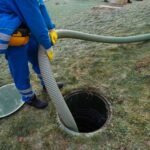
Once safety is ensured, the focus shifts to removing the water. Small amounts of water can be handled with mops, buckets, or wet/dry vacuums. For larger floods, homeowners may need submersible pumps to extract water quickly. It’s important to work efficiently because the longer water sits, the more damage it can cause to the foundation, walls, and flooring.
During water removal, consider opening windows and using fans or dehumidifiers to increase airflow and speed up drying. Basement flooding clean up is not just about removing water; it also involves ensuring the area is thoroughly dried to prevent mold growth.
Cleaning and Disinfecting the Area
After water extraction, cleaning and disinfecting are critical steps in basement flooding clean up. Floodwater often contains bacteria, mold spores, and other harmful substances. Surfaces should be scrubbed with a mixture of water and detergent, followed by a disinfectant solution. Carpets, rugs, and fabric items may need professional cleaning or disposal if heavily contaminated.
Walls and floors should be examined for damage. Porous materials such as drywall and insulation often absorb water and may require removal to prevent mold growth. Even after drying, the risk of mold remains if moisture is trapped, so monitoring humidity levels is crucial.
Protecting Your Home from Mold
Mold is a common and dangerous consequence of basement flooding. It can cause health issues such as respiratory problems, allergies, and asthma. During basement flooding clean up, use dehumidifiers and fans to reduce moisture levels. Homeowners may also use mold inhibitors on surfaces and consider professional mold remediation for severe cases. Preventing mold is easier than removing it, making prompt action essential.
Checking Structural Damage
Basement flooding can weaken structural components, including walls, floors, and the foundation. Look for cracks in the walls or floor, warping in wood structures, and peeling paint or wallpaper. If structural damage is suspected, consult a professional contractor to assess the integrity of the basement and recommend necessary repairs. Ignoring structural issues can lead to long-term safety hazards and increased repair costs.
Disposing of Damaged Items
Not all belongings can be saved after a flood. Waterlogged furniture, carpeting, and personal items may need to be discarded, especially if contaminated with sewage or chemicals. Proper disposal helps prevent mold and health hazards. When discarding items, check local regulations for disposal guidelines, particularly for electronics and hazardous materials.
Insurance and Documentation
Homeowners should contact their insurance company promptly after a basement flood. Most homeowners’ policies cover water damage caused by sudden and accidental incidents but not flooding from natural disasters unless separate flood insurance is in place. Keeping detailed records of the damage, including photographs and receipts for cleanup costs, will support claims and help expedite the insurance process.
Preventing Future Basement Flooding
After completing basement flooding clean up, homeowners should consider measures to prevent future incidents. Regular maintenance of sump pumps, checking for leaks, sealing foundation cracks, and ensuring proper grading around the home can reduce the risk of flooding. Installing backflow valves on sewer lines and using water alarms or sensors in the basement are proactive ways to protect against future water damage.
When to Call Professionals
While minor flooding can be managed by homeowners, extensive water damage or contamination often requires professional intervention. Water damage restoration experts have the equipment and expertise to remove water efficiently, dry structures thoroughly, and mitigate mold growth. Consulting professionals also ensures that structural issues are properly addressed, preventing long-term damage and safety risks.
Conclusion
Basement flooding clean up is a multi-step process that involves immediate safety precautions, water removal, thorough cleaning, mold prevention, structural inspection, and proactive prevention measures. Acting quickly can significantly reduce damage, protect health, and save homeowners money in the long term. By understanding the causes of flooding, knowing the proper clean-up steps, and implementing preventative measures, homeowners can manage basement flooding effectively and safeguard their property against future incidents.