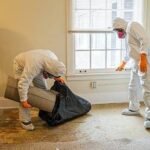

Water damage is one of the most common and potentially costly problems property owners face. Whether it results from a burst pipe, heavy rainfall, flooding, roof leaks, or plumbing failures, unwanted Water Mitigation Pros water can quickly affect walls, floors, ceilings, furniture, and structural components. If not addressed promptly, moisture can also encourage mold growth, create unpleasant odors, and compromise indoor air quality. This is why professional water mitigation services are essential for protecting residential and commercial properties.
Water Mitigation Pros provide specialized solutions designed to control water damage, remove excess moisture, and help restore affected spaces. With the right equipment, technical knowledge, and organized restoration procedures, experienced professionals can minimize further damage and help property owners recover more efficiently.
Understanding the Importance of Water Mitigation
Water mitigation refers to the process of reducing and preventing additional damage after water enters a property. Unlike general cleaning, professional mitigation focuses on identifying moisture, removing standing water, drying affected materials, and protecting areas that have not yet been damaged.
Time is particularly important when dealing with water emergencies. Water can spread through flooring, drywall, insulation, and other porous materials. Even when visible water disappears, hidden moisture may remain inside walls or beneath surfaces.
Professional water mitigation specialists understand how to assess these conditions and develop an appropriate response. Their goal is to address the immediate problem while reducing the possibility of long-term complications.
1. Rapid Water Removal and Emergency Response
One of the most important services offered by Water Mitigation Pros is emergency water removal. When flooding or plumbing failures occur, standing water can damage building materials and personal belongings within a short period.
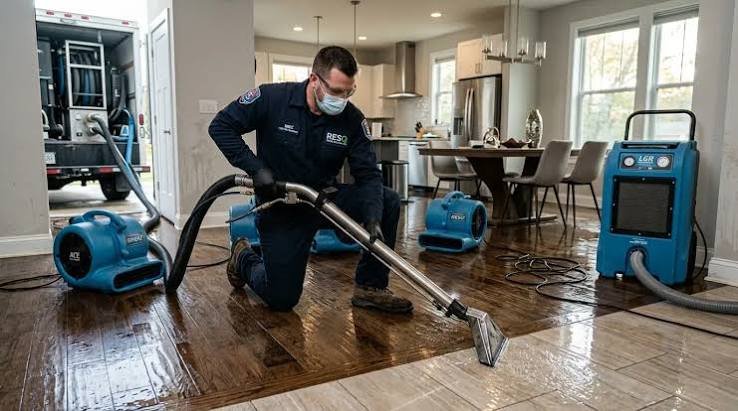
Professional technicians use specialized pumps, extraction equipment, and industrial-grade wet vacuums to remove unwanted water. The equipment selected depends on the severity of the damage, the size of the affected area, and the type of water involved.
A quick response can help prevent water from spreading into additional rooms and structural components. It may also reduce the amount of material that needs to be removed or replaced during restoration.
Property owners should contact qualified professionals as soon as possible after discovering significant water damage.
2. Advanced Moisture Detection and Inspection
Not all water damage is immediately visible. Moisture can travel behind walls, beneath carpets, inside cabinets, and underneath flooring. Without proper inspection, these hidden areas may remain wet even after the visible water has been removed.
Water Mitigation Pros use moisture meters, thermal imaging cameras, and other inspection tools to identify affected areas. These technologies help technicians understand how far moisture has spread and determine which materials require additional attention.
A detailed inspection also helps establish a suitable drying strategy. Instead of relying on guesswork, professionals can monitor moisture levels and evaluate whether the property is progressing toward appropriate drying conditions.
Accurate moisture detection is particularly valuable when dealing with slow plumbing leaks, roof damage, and flooding that has affected multiple rooms.
3. Professional Structural Drying Solutions
Removing standing water is only the beginning of the mitigation process. Building materials can continue holding moisture long after visible water has disappeared.
Professional structural drying helps remove this remaining moisture from floors, walls, ceilings, and other affected components. Technicians commonly use commercial air movers and dehumidifiers to improve airflow and control humidity.
Air movers help circulate air across damp surfaces, while dehumidifiers remove moisture from the surrounding environment. Using these tools together creates more effective drying conditions.
The drying process may take several days depending on the amount of water, building materials, environmental conditions, and severity of the damage.
Regular moisture monitoring helps professionals determine when affected areas have reached appropriate drying levels.
4. Mold Prevention and Moisture Control
Excess moisture creates conditions that can support mold growth. Mold may develop on damp drywall, wood, carpeting, insulation, and other materials when moisture remains present.
This makes moisture control an important part of professional water mitigation. By removing standing water and thoroughly drying affected areas, technicians help reduce conditions that encourage mold development.
If mold is already present, additional assessment and remediation may be necessary. Depending on the situation, affected materials may require specialized cleaning, containment, or removal.
Water Mitigation Pros can help property owners understand the difference between ordinary drying and situations that require professional mold remediation.
Addressing moisture problems early can help protect building materials and maintain a healthier indoor environment.
5. Residential and Commercial Water Damage Services
Water damage affects different types of properties in different ways. Residential properties may experience flooding in kitchens, bathrooms, basements, and living areas. Commercial buildings can face additional challenges because of larger floor plans, specialized equipment, inventory, and business operations.
Professional mitigation services can be adapted to different property requirements.
For homeowners, the priority is often protecting personal belongings, maintaining structural safety, and returning the property to comfortable living conditions.
For business owners, minimizing operational interruptions is also important. Water mitigation professionals can assess affected offices, retail spaces, warehouses, and other commercial environments to determine the most effective response.
A tailored mitigation plan helps address the specific needs of each property.
6. Handling Different Sources of Water Damage
Water damage can originate from several sources, and each situation requires an appropriate response.
Common causes include:
- Burst or leaking pipes: Plumbing failures can release large amounts of water into walls, ceilings, and floors.
- Appliance malfunctions: Washing machines, dishwashers, refrigerators, and water heaters can leak or overflow.
- Roof leaks: Damaged roofing materials may allow rainwater to enter ceilings and interior spaces.
- Storm flooding: Heavy rainfall and severe weather can introduce water into basements, garages, and ground-level rooms.
- Sewer backups: Contaminated water requires specialized safety procedures and professional cleanup.
The source of the water determines the necessary precautions and restoration approach. For example, contaminated water from sewage backups should not be handled like a minor clean-water plumbing leak.
Experienced professionals evaluate the situation before selecting suitable equipment and procedures.
7. Detailed Documentation and Restoration Planning
Proper documentation plays an important role in water damage recovery. Property owners may need photographs, inspection findings, moisture readings, and service records when communicating with insurance providers.
Water mitigation professionals can document visible damage, identify affected areas, and record the drying process. This information helps create a clearer picture of the incident and the work required.
A structured restoration plan also helps property owners understand which tasks need immediate attention and which repairs may be completed later.
Although mitigation and reconstruction are related, they are not exactly the same. Mitigation focuses on controlling damage and drying the property, while reconstruction involves repairing or replacing damaged materials.
Understanding this distinction makes it easier to manage the recovery process.
How to Choose the Right Water Mitigation Professionals
Choosing an experienced water mitigation company can make a significant difference during an emergency. Property owners should consider several factors before selecting a service provider.
First, look for a company with relevant experience in residential and commercial water damage situations. Professional training, appropriate certifications, and knowledge of industry standards are also valuable.
Second, ask about the equipment used for water extraction, moisture detection, and structural drying. Modern tools can help technicians identify hidden problems and monitor drying progress.
Third, consider communication and transparency. A reliable company should explain its inspection findings, recommended procedures, estimated timelines, and potential additional restoration requirements.
Finally, check customer reviews and ask about documentation and insurance coordination. These details can help property owners make informed decisions during an already stressful situation.
Conclusion
Water damage can create serious challenges for homeowners and business owners, especially when moisture spreads into hidden areas or remains untreated. Professional water mitigation services offer an organized approach to managing these emergencies through rapid water removal, moisture detection, structural drying, and preventive measures.
Water Mitigation Pros can help property owners address immediate water damage while reducing the risk of additional complications. From minor plumbing leaks to extensive flooding, experienced technicians provide valuable support throughout the mitigation process.
Taking action quickly, selecting qualified professionals, and following an appropriate restoration plan can help protect a property’s structure, preserve valuable belongings, and support a smoother recovery. Ultimately, investing in professional water mitigation is an important step toward maintaining a safer, healthier, and more resilient property.