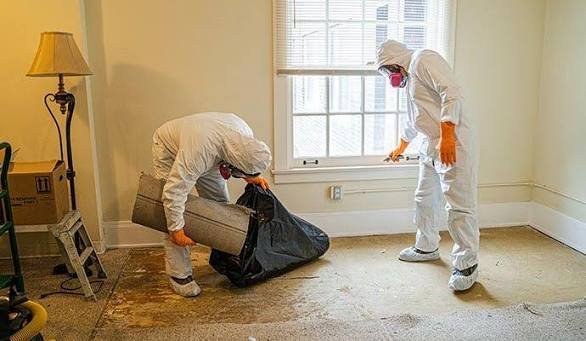

Unexpected traumatic events can have a significant emotional impact on individuals, families, and communities. When an incident leaves a property contaminated or unsafe, restoring trauma clean up the affected space requires more than ordinary cleaning. A professional trauma clean up service provides specialized cleaning, decontamination, and restoration support while treating everyone involved with dignity, privacy, and compassion.
Whether a property has been affected by an accident, an unattended death, or another traumatic incident, trained professionals can help make the environment safe for future use. Their expertise allows property owners and families to focus on recovery while experienced teams manage the difficult cleaning and sanitation process.
Understanding how trauma cleanup works, why professional assistance matters, and what to expect from a service provider can help people make informed decisions during challenging circumstances.
Understanding Trauma Clean Up Services
Trauma cleanup is a specialized service designed to restore areas affected by incidents involving potentially hazardous biological materials. Unlike standard residential or commercial cleaning, this work may require professional training, appropriate protective equipment, specialized cleaning products, and regulated waste disposal procedures.
Depending on the circumstances, a trauma clean up service may assist with properties affected by serious accidents, unattended deaths, certain medical emergencies, or other incidents requiring specialized decontamination.
The primary objective is to remove contamination, reduce health risks, and restore the affected environment to an appropriate condition. Professionals also assess materials that may need specialized treatment or removal rather than attempting to clean every surface using ordinary household products.
Each situation is different, so experienced providers develop a cleanup plan based on the property’s condition, the type of contamination, and the applicable safety requirements.
Why Professional Trauma Cleanup Is Important
After a traumatic incident, property owners may feel pressure to restore their homes or businesses quickly. However, attempting to manage the cleanup without proper knowledge can expose individuals to biological hazards and create additional difficulties.
Professional cleanup teams understand the importance of following established safety procedures throughout the process.
Protecting Health and Safety
Biological contamination may present health risks when affected materials are handled incorrectly. Professional technicians receive training to recognize potential hazards and use appropriate personal protective equipment.
They also understand how to select suitable cleaning and disinfection methods for different materials and environments. These precautions help reduce the possibility of exposure and prevent contamination from spreading into unaffected areas.
Achieving Thorough Decontamination
Ordinary cleaning methods may not adequately address contamination in porous materials, concealed spaces, or damaged building components. Professional teams evaluate the affected area to determine which materials can be treated and which may require removal.
They use appropriate products and procedures to address the specific conditions present at the property. A thorough assessment helps ensure that cleanup efforts focus on safety rather than simply improving the visible appearance of a room.
Supporting Property Restoration
Traumatic incidents can leave homes, offices, rental properties, and commercial buildings unsuitable for immediate use. Professional cleanup services help property owners move toward restoration by addressing contamination and identifying areas that require additional repairs.
Depending on the situation, restoration may involve coordination with contractors, property managers, insurance representatives, or other specialists.
The Role of Compassion in Trauma Cleanup
Technical expertise is essential, but compassion is equally important in trauma cleanup. Families and property owners may be experiencing grief, anxiety, uncertainty, or emotional exhaustion when they contact a service provider.
A responsible company recognizes that its work takes place during a sensitive period and approaches every interaction with respect.
Respecting Privacy and Confidentiality
Traumatic incidents often involve deeply personal circumstances. Professional technicians should handle information carefully, limit unnecessary discussion, and respect the privacy of occupants and property owners.
Discreet communication and appropriate workplace practices can help families feel more comfortable during an already difficult experience.
Communicating Clearly and Respectfully
Customers need understandable information about the services required, expected timelines, safety considerations, and potential costs. A compassionate provider explains the process without using unnecessarily alarming language or making unrealistic promises.
Clear communication also allows customers to understand which decisions require their approval and what additional work may be necessary before a property can be used again.
Reducing Additional Stress
Families should not have to manage every technical detail while coping with a difficult event. A professional team can explain the necessary steps, coordinate its work, and provide updates throughout the process.
Although cleanup professionals cannot remove the emotional effects of an incident, their organized and respectful approach can make the practical responsibilities easier to manage.
What to Expect From a Professional Trauma Clean Up Service
Although procedures vary according to the circumstances, a professional cleanup project generally follows several important stages.
Initial Assessment
The process typically begins with an assessment of the affected property. Technicians review the visible conditions, identify potential hazards, and determine the extent of the work required.
They may also discuss access arrangements, property protection, estimated costs, and any additional specialists needed to complete the restoration.
Establishing Safety Measures
Before cleanup begins, professionals determine how to manage the affected area safely. Depending on the circumstances, this may include restricting access, separating contaminated areas from unaffected spaces, and using suitable protective equipment.
These measures help protect workers, occupants, visitors, and other people who might otherwise enter the affected environment.
Specialized Cleaning and Decontamination
Trained technicians carry out the required cleaning and decontamination using methods appropriate to the affected materials and identified hazards.
The work may involve treating hard surfaces, addressing contaminated contents, or arranging the removal of materials that cannot be safely restored. Products and procedures should be selected according to applicable regulations and manufacturer instructions.
The objective is to address contamination thoroughly while protecting unaffected parts of the property.
Waste Handling and Disposal
Materials contaminated during a traumatic incident may require special handling and disposal. Professional providers follow applicable requirements for packaging, transportation, and disposal of regulated waste.
Correct waste management is an important part of responsible cleanup because it helps prevent exposure and protects the wider environment.
Final Inspection and Restoration Planning
Once the cleanup work is complete, the team reviews the affected area to determine whether the planned tasks have been performed appropriately.
Depending on the incident, additional work such as replacing damaged flooring, repairing walls, or restoring other building components may be necessary. The service provider should explain any remaining concerns and clarify whether further assessment is recommended before the property returns to normal use.
Choosing the Right Trauma Cleanup Company
Selecting a reliable provider is an important decision, particularly when safety, privacy, and time are major concerns. Property owners should evaluate several factors before choosing a company.
Training and experience: Look for technicians who have relevant training and experience in trauma cleanup, biological decontamination, and safe waste management.
Licensing and compliance: Requirements differ by location and service type. Confirm that the company meets applicable licensing, workplace safety, environmental, and waste disposal requirements.
Transparent pricing: Request a clear estimate describing the proposed work, possible additional charges, and services included in the quoted price.
Professional communication: A dependable company should answer questions patiently, explain its procedures, and treat customers respectfully.
Insurance and documentation: Ask about appropriate business insurance, written service records, and documentation of completed work where applicable.
Availability: Some incidents require prompt attention. Confirm the company’s response arrangements and realistic service timelines rather than relying on unsupported guarantees.
Taking time to assess these qualities can help customers select a provider that balances technical competence with responsible customer care.
Trauma Cleanup for Residential and Commercial Properties
Trauma cleanup services can be relevant to a wide range of environments. In residential properties, the priority is often restoring safe living conditions while respecting the needs of family members and other occupants.
Landlords and property managers may require specialized cleanup before preparing a rental unit for future residents. Commercial property owners may need assistance restoring offices, hospitality facilities, or other premises affected by a traumatic incident.
Each environment presents different considerations, including building access, business interruption, occupant safety, and the condition of affected materials.
Professional providers assess these factors before recommending an appropriate course of action. Their ability to adapt the cleanup plan to the property helps support a more organized restoration process.
Understanding Costs and Insurance Considerations
The cost of a trauma clean up service depends on several factors, including the size of the affected area, the nature of the contamination, the materials involved, and the amount of specialized work required.
A relatively limited project may require fewer resources than a situation involving extensive contamination or damaged building components. Emergency scheduling, regulated waste disposal, and additional restoration work may also influence the final price.
Property owners should request a written estimate and ask the provider to explain any uncertainties before authorizing the work.
Insurance coverage varies according to the policy, the circumstances of the incident, and the insurer’s requirements. Customers should contact their insurance representative to determine whether any cleanup or restoration expenses may be covered. Keeping relevant estimates, invoices, photographs where appropriate, and service documentation can help with the claims process.
Conclusion
A professional trauma clean up service plays an important role in restoring properties affected by difficult and unexpected events. Through specialized decontamination, appropriate safety measures, responsible waste management, and careful restoration planning, trained professionals help address hazards that ordinary cleaning methods may not adequately resolve.
However, effective trauma cleanup involves more than technical procedures. Compassionate communication, confidentiality, transparent pricing, and respect for those affected are essential qualities of a dependable service provider.
By choosing an experienced and responsible cleanup company, property owners and families can approach the restoration process with greater clarity and confidence. Professional assistance helps create a safer environment, supports the practical steps toward recovery, and allows those affected to focus on their personal needs during a challenging time.