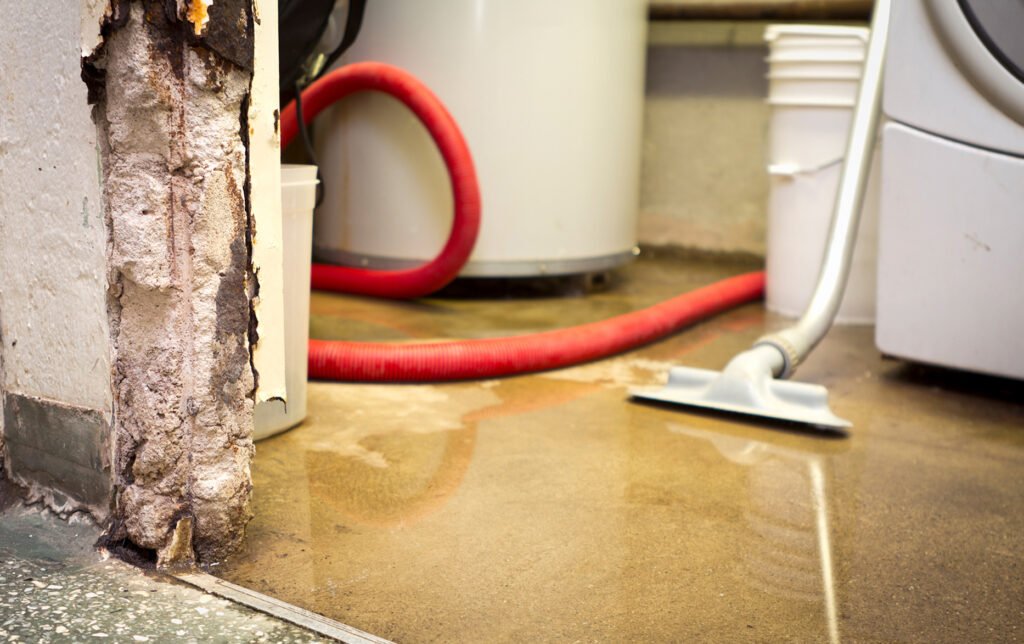

Water damage can affect a property in ways that extend far beyond visible puddles, stained walls, or damaged flooring. Whether caused by a burst pipe, overflowing appliance, heavy rainfall, flooding, or an unexpected plumbing failure, excess water can weaken building materials and create conditions that lead to additional problems. Addressing these issues quickly is important, but true recovery involves more than simply removing standing water. Professional water restoration services can help property owners address immediate damage while supporting the long-term condition, safety, and usability of a building.
Understanding the Importance of Long-Term Recovery
The effects of water damage are not always immediately obvious. Moisture can move behind walls, beneath flooring, into insulation, and around structural components. If affected areas are not properly dried, hidden moisture may remain after the surface appears normal.
Long-term recovery focuses on identifying the full extent of the damage and taking appropriate steps to restore affected areas. A professional water restoration process may include inspection, water removal, drying, cleaning, sanitizing, repairs, and monitoring. Each stage contributes to reducing the possibility of recurring problems.
Instead of focusing only on what is visible, restoration professionals consider how moisture may have affected different parts of the property. This comprehensive approach can help create a stronger foundation for recovery.
Rapid Water Removal Reduces Further Damage
One of the first priorities after significant water intrusion is removing excess water. Standing water can continue affecting flooring, drywall, furniture, cabinetry, and other materials for as long as it remains present.
Professional equipment can help remove water efficiently from affected areas. Depending on the situation, technicians may use pumps, extraction systems, wet vacuums, and other specialized equipment.
Prompt extraction can help limit the amount of time materials remain exposed to moisture. It can also make the subsequent drying process more manageable. The sooner excessive water is addressed, the sooner a property can move toward stabilization and recovery.
Professional Drying Helps Address Hidden Moisture
Removing visible water does not necessarily mean that a property is dry. Moisture can remain in porous materials and concealed spaces. Professional water restoration services use drying equipment and moisture assessment techniques to identify areas that may require additional attention.
Air movers can improve air circulation, while dehumidifiers can help reduce moisture in the surrounding environment. Technicians may also monitor moisture levels in walls, floors, ceilings, and other materials during the drying process.
This matters because incomplete drying can create conditions for odors, material deterioration, and microbial growth. A thorough drying strategy helps ensure that recovery does not stop when the property merely looks dry.
Protecting Structural Components
Water can affect structural materials differently depending on their composition, exposure time, and condition. Wood, drywall, insulation, flooring systems, and other components may absorb moisture and experience changes when exposed for extended periods.
Water restoration professionals can assess affected areas and determine which materials can potentially be dried and restored and which may require removal or replacement. This distinction can help property owners avoid unnecessary demolition while ensuring compromised materials receive appropriate attention.
Addressing structural concerns early can also help prevent small problems from becoming more extensive repair projects.
Reducing the Risk of Mold and Odor Problems
Moist environments can encourage unwanted microbial growth, particularly when moisture remains for an extended period. Persistent dampness may also contribute to unpleasant odors that can be difficult to eliminate through ordinary cleaning.
A comprehensive restoration process emphasizes moisture control, ventilation, drying, and cleaning. When necessary, affected materials may need specialized treatment or removal.
The goal is not simply to cover up an odor or clean a visible surface. Long-term recovery requires addressing the moisture conditions that contributed to the problem in the first place.
Cleaning and Sanitizing Affected Areas
Water damage can introduce contaminants into a property, especially when the source involves sewage, flooding, or other potentially contaminated water. Even water that initially appears clean can pick up contaminants as it travels through a building.
Professional restoration teams can evaluate the source and category of water damage before determining appropriate cleaning procedures. Depending on the circumstances, affected surfaces, belongings, and building materials may require cleaning, sanitization, or specialized treatment.
Proper cleaning can help make the restored environment more suitable for occupants and reduce the possibility of lingering contamination.
Restoring Damaged Materials and Finishes
Water restoration is not limited to extraction and drying. Once moisture-related issues have been addressed, damaged areas may need to be repaired or rebuilt.
Restoration work can involve replacing sections of drywall, repairing flooring, restoring cabinets, repainting surfaces, or addressing other damaged finishes. In some cases, professional restoration companies coordinate repair work as part of a broader recovery process.
Completing these repairs helps return the property to a functional condition instead of leaving partially damaged areas unresolved.
Supporting Better Property Maintenance
A water-related incident can reveal weaknesses in a property’s maintenance or drainage systems. For example, damage may highlight aging plumbing, inadequate drainage, roof problems, poorly sealed windows, or appliance connections that require attention.
After restoration, property owners can use the experience as an opportunity to identify potential vulnerabilities. Regular inspections, plumbing maintenance, roof checks, gutter cleaning, and timely repairs can reduce the likelihood of future water-related incidents.
Long-term property recovery therefore involves both restoring the existing damage and learning from the circumstances that caused it.
Why Professional Assessment Matters
Every water damage situation is different. The amount of water, source of the intrusion, affected materials, duration of exposure, and location of the property can all influence the restoration process.
A professional assessment provides a clearer understanding of the property’s condition. Rather than relying only on visible damage, trained technicians can investigate areas where moisture may be concealed.
Documentation can also be useful during the recovery process. Photographs, moisture readings, damage assessments, and records of completed work can help property owners keep track of the restoration process and communicate with relevant professionals or insurance providers when appropriate.
Choosing a Reliable Water Restoration Provider
Selecting a qualified service provider is an important part of successful recovery. Property owners should look for companies with relevant experience, appropriate equipment, trained personnel, and clear communication practices.
A dependable provider should explain the restoration process, identify affected areas, discuss recommended work, and provide reasonable expectations about the recovery timeline. Property owners should also ask about the company’s approach to drying, cleaning, repairs, and documentation.
The objective is to find a service that addresses both immediate damage and the property’s longer-term needs.
Building a Stronger Path to Property Recovery
Water damage can create immediate disruption, but its consequences do not have to become permanent. A structured water restoration process can help property owners move from emergency response toward lasting recovery.
Effective restoration combines water extraction, moisture detection, professional drying, cleaning, sanitization, repairs, and preventive maintenance. Each stage plays a role in protecting the property’s condition and reducing the possibility of recurring issues.
Most importantly, long-term recovery requires looking beyond what can be seen. Hidden moisture, damaged materials, odors, and structural concerns can continue affecting a property if they are overlooked. Professional water restoration services provide the expertise and equipment needed to investigate these concerns and address them systematically.
By responding quickly and taking a comprehensive approach, property owners can improve the chances of restoring their buildings to a safe, functional, and comfortable condition. Water damage may be unexpected, but with proper planning, professional support, and ongoing maintenance, a property can recover and remain better prepared for future challenges.