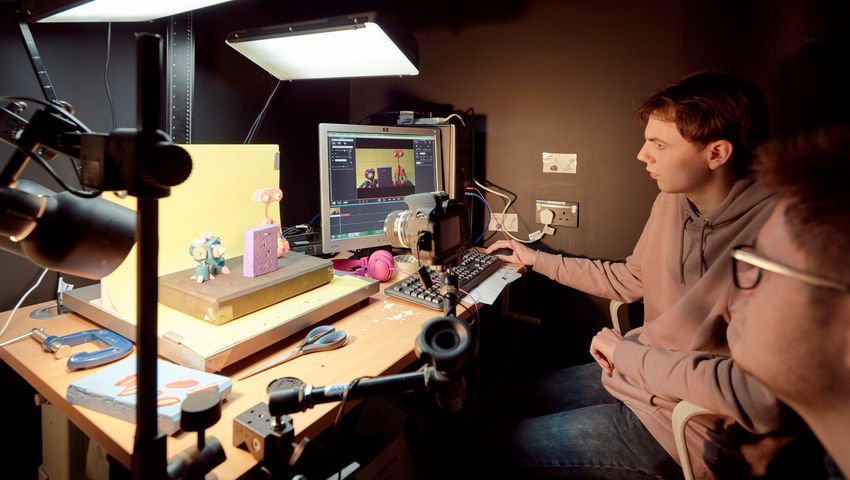

Choosing the right creative partner can make a major difference when developing an animated video, commercial, explainer, short film, educational project, or branded visual campaign. Animation combines storytelling, design, technology, sound, and motion, so selecting the right team requires more than simply comparing prices. The right animation company should understand your goals, communicate clearly, offer strong creative skills, and deliver work that matches your expectations. Whether you are developing your first animated project or regularly produce visual content, knowing what to look for can help you make a confident decision.
Define Your Project Goals First
Before contacting an animation studio, clearly define what you want to accomplish. Start by identifying the purpose of your project. You may want to explain a complicated product, introduce a service, promote a brand, educate an audience, entertain viewers, or create a memorable social media campaign.
Your goals will influence almost every creative decision. The animation style, length, tone, script, characters, colors, sound design, and production schedule should support the purpose of the content. Having clear objectives also makes it easier to explain your expectations to potential production partners.
Consider your target audience as well. An animation designed for children will have different visual and storytelling requirements than a corporate video intended for business executives. A professional animation team should be able to adapt its creative approach to your audience and communication goals.
Review the Company’s Portfolio
One of the most important steps when selecting an animation company is reviewing its portfolio. A portfolio provides insight into the team’s creativity, technical ability, visual consistency, and storytelling approach.
Look beyond attractive visuals. Pay attention to how effectively each project communicates its message. Does the animation maintain viewer interest? Are movements smooth? Do characters feel natural? Does the visual style support the story? Is the sound properly integrated with the animation?
It is also useful to look for projects similar to yours. For example, if you need a product explainer, examine examples of explainer videos. If you need character animation, look for work demonstrating strong character design and movement.
A diverse portfolio can be a positive sign because it may indicate that the team can work across different industries and styles. However, specialization can also be valuable when your project requires highly specific expertise.
Understand Different Animation Styles
Animation includes numerous styles, and choosing the right one depends on your project’s purpose and audience. Common options include 2D animation, 3D animation, motion graphics, stop-motion-inspired visuals, character animation, whiteboard animation, and mixed-media approaches.
A professional animation studio should help you determine which style fits your objectives instead of simply pushing its most familiar production method. For example, 2D animation can be effective for educational storytelling and colorful brand campaigns, while 3D animation may be useful for demonstrating products, environments, architectural concepts, or realistic objects.
Ask potential companies why they recommend a particular style. Their explanation can reveal whether they are approaching your project strategically or simply focusing on production techniques.
Evaluate Storytelling Skills
Excellent animation is not only about movement and visual effects. Strong storytelling is often what makes an animated project memorable.
Ask how the company approaches script development, storyboarding, character development, pacing, and visual storytelling. A good production team should understand how to transform an idea into a structured narrative that keeps viewers engaged.
The best animation can communicate complex information without overwhelming the audience. Strong storytelling also creates emotional connections, helping viewers remember the message long after the video ends.
If you already have a script, ask whether the company reviews scripts and provides creative recommendations. Experienced professionals may identify areas where the story could become clearer, shorter, or more visually engaging.
Check Communication and Collaboration
Communication can significantly influence the production experience. Animation projects often involve multiple stages, including concept development, scripting, storyboarding, design, animation, voice-over, sound effects, revisions, and final delivery.
Ask how communication will work throughout the project. Determine who will be your primary contact and how frequently you will receive updates. A reliable animation company should explain its workflow clearly and establish realistic expectations from the beginning.
Collaboration is particularly important during the early stages. Your feedback should be considered while the project is being developed. A professional team should welcome constructive input while also explaining creative decisions based on experience and production requirements.
Consider Experience and Expertise
Experience does not necessarily mean choosing the oldest company available. Instead, focus on relevant experience. A smaller team with excellent expertise in your type of project may be a better choice than a large agency that has little experience in your industry.
Review the company’s previous clients, project types, production capabilities, and technical knowledge. If your project involves complex visual effects, character animation, interactive content, or advanced 3D production, confirm that the team has the necessary skills.
You can also ask about the people who will actually work on your project. Knowing whether experienced animators, designers, directors, writers, and sound professionals will be involved can help you understand the level of expertise you are receiving.
Compare Pricing Carefully
Budget is an important consideration, but the cheapest option is not always the best value. Animation involves many production stages, and lower quotes may sometimes reflect fewer services, limited revisions, simpler animation, or less production support.
Request a detailed proposal that explains what is included in the price. Ask about scripting, storyboarding, character design, voice-over, music, sound effects, animation, revisions, project management, and final file formats.
Also clarify whether additional revisions or changes will involve extra costs. A transparent pricing structure helps prevent unexpected expenses later in the project.
Ask About the Production Timeline
A quality animation takes time to develop. Rushing the process can affect storytelling, design quality, animation accuracy, and final polish.
Before signing an agreement, discuss the expected production schedule. Ask when you can expect the initial concept, storyboard, design samples, animation preview, revision rounds, and final delivery.
Make sure the timeline works with your marketing campaign, product launch, event, or publication schedule. An experienced animation company should provide a realistic timeline rather than promising an unrealistically fast delivery simply to win your business.
Review the Revision Process
Revisions are a normal part of creative production. Even when a project is carefully planned, you may want adjustments after seeing the storyboard or first animation draft.
Ask how many revision rounds are included and at which stages feedback can be provided. It is usually easier and less expensive to make major changes during scripting or storyboarding than after the final animation has been completed.
Clear revision policies help both sides avoid misunderstandings and keep the project moving efficiently.
Consider Quality, Technology, and Creativity
Modern animation production can involve sophisticated software, rendering systems, visual effects, motion design, and audio technology. However, technology alone does not guarantee a successful project.
The strongest teams combine technical knowledge with creativity. They know how to use technology to support storytelling rather than allowing visual effects to distract from the central message.
Ask about the tools and production techniques used by the company, but place equal importance on artistic direction, originality, and communication.
Make Your Final Decision
After comparing several companies, consider the complete value each one offers. Look at portfolio quality, relevant experience, communication, creative approach, pricing, timeline, revision policies, and overall professionalism.
The right animation company should feel like a creative partner rather than simply a vendor. It should understand your vision while contributing its own expertise to improve the final result.
Choosing carefully at the beginning can save time, reduce unnecessary costs, and improve the quality of your finished animation. By defining your goals, reviewing portfolios, evaluating storytelling abilities, checking communication, comparing proposals, and understanding the production process, you can select a team capable of turning your concept into engaging and effective visual content.
Conclusion
Selecting an animation partner is an important decision because the company you choose can directly influence the quality, impact, and success of your project. A strong team combines creative thinking, technical expertise, clear communication, reliable project management, and a genuine understanding of your audience. Take time to research your options, ask detailed questions, and evaluate more than price alone. When your goals and the company’s capabilities align, the result can be an animation that communicates clearly, captures attention, strengthens your brand, and gives your audience a memorable experience.
