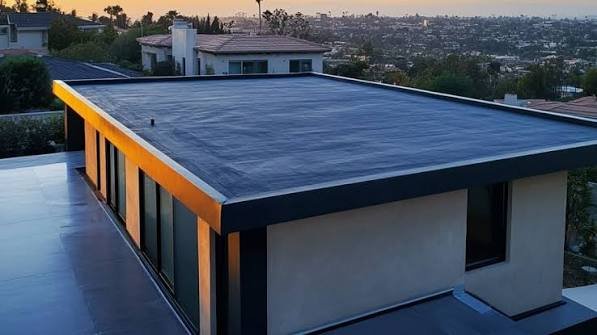

Choosing the right roof is one of the most important decisions a homeowner can make. A roof protects the property from rain, wind, changing temperatures, and everyday environmental exposure. While traditional pitched roofs remain popular, Flat Roofing has become an increasingly practical option for many Flat Roofing residential properties. Flat roofs can offer a modern appearance, efficient use of space, and a range of design possibilities. However, homeowners should understand the benefits, materials, maintenance requirements, and installation considerations before making a final decision.
Understanding Flat Roofing
Despite its name, a flat roof is not completely level. Most flat roofs are constructed with a slight slope that allows rainwater to move toward drains or outlets. This design helps prevent water from remaining on the roof surface for extended periods.
Flat roofing systems are commonly found on modern homes, extensions, garages, porches, and commercial buildings. Advances in roofing technology have also introduced durable materials that can provide reliable weather resistance and long service life when properly installed.
Why Homeowners Choose Flat Roofs
One of the main reasons homeowners consider flat roofing is its clean and contemporary appearance. The simple design can complement modern architecture while providing a practical roofing solution.
Flat roofs can also make efficient use of available space. Depending on the design and local regulations, the roof area may be suitable for solar panels, ventilation equipment, or other installations. Some properly designed flat roofs can even provide usable outdoor areas, although this requires specialist structural planning and suitable waterproofing.
Another advantage is that flat roofs can sometimes be easier to access for inspections and maintenance compared with steeply pitched roofs. However, safe access should always be considered, and homeowners should not assume that every flat roof is designed to be walked on.
Common Flat Roofing Materials
There are several materials available for flat roofing, and each has different characteristics. Understanding the options can help homeowners choose a system that suits their property, budget, and long-term requirements.
EPDM Rubber Roofing
EPDM is a synthetic rubber membrane widely used for flat roofs. It is flexible, resistant to weathering, and capable of handling temperature changes. Its durability makes it a popular choice for residential extensions and other flat-roof structures.
GRP Fibreglass Roofing
GRP, or glass-reinforced plastic, creates a strong and seamless roofing surface. It can provide excellent resistance to water and weather when correctly installed. The finished appearance is also neat, making it suitable for homeowners who want a clean-looking roof.
Modified Bitumen Roofing
Bitumen-based systems have been used in roofing for many years. Modern modified bitumen products can offer improved flexibility and resistance compared with older roofing methods. They are available in different installation systems and can be suitable for various flat-roof applications.
Single-Ply Membranes
Single-ply roofing membranes are lightweight materials designed to create a waterproof layer over the roof structure. They can provide good flexibility and weather resistance while being available in different formulations to suit specific projects.
The Importance of Proper Installation
Even the highest-quality roofing material can perform poorly if it is installed incorrectly. Flat roofs require careful attention to falls, drainage, waterproofing, joints, edges, and flashing.
A professional roofing contractor should inspect the existing structure before recommending a solution. The roof deck must be suitable for the selected system, and any damaged or weak areas should be addressed before installation begins.
Poor workmanship can lead to problems such as water penetration, membrane damage, inadequate drainage, and premature deterioration. Homeowners should therefore focus not only on the cost of materials but also on the experience and quality of the roofing professional carrying out the work.
Drainage Is a Key Consideration
Water management is particularly important with flat roofing. Because these roofs have a relatively low slope, effective drainage must be carefully planned.
Blocked outlets, damaged drainage components, or poorly designed falls can allow water to collect on the roof. Standing water may increase pressure on the waterproofing system and potentially contribute to leaks or structural issues over time.
Regularly checking drains and outlets can help reduce these risks. Homeowners should also ensure that surrounding gutters and drainage systems remain clear of leaves, dirt, and other debris.
Insulation and Energy Efficiency
A new flat roof is also an opportunity to improve the property’s insulation. Good insulation can help reduce heat loss during colder months and make indoor temperatures more comfortable throughout the year.
Different insulation approaches are available depending on the roof construction. A roofing professional can assess the existing structure and recommend an appropriate solution.
Improving insulation may also contribute to lower energy consumption, although actual savings depend on factors such as the property’s construction, heating system, windows, and overall energy efficiency.
Maintenance Requirements
Although modern flat roofing systems can be durable, they are not maintenance-free. Regular inspections can help identify small problems before they develop into expensive repairs.
Homeowners should look for visible cracks, damaged edges, blocked outlets, loose components, or signs of water penetration. Internal signs such as damp patches, staining, or unusual moisture around ceilings may also indicate a roofing problem.
Professional inspections can be especially useful after severe weather. Early detection allows repairs to be completed before damage becomes more extensive.
Understanding Costs
The price of a flat roof depends on several factors, including the size of the roof, selected material, condition of the existing structure, insulation requirements, access, drainage arrangements, and labour.
It is important to obtain detailed quotations rather than choosing a contractor solely because they offer the lowest price. A cheaper quote may exclude important elements such as insulation, preparation work, waste removal, or finishing details.
Homeowners should ask what is included in the quotation and whether the contractor provides information about warranties and expected maintenance.
Choosing the Right Roofing Contractor
Selecting an experienced roofing contractor is one of the most important steps in a flat roofing project. Homeowners should look for professionals who have experience with the specific roofing system being considered.
Before hiring a contractor, ask about previous projects, workmanship guarantees, materials, installation methods, and the expected project timeline. A reputable professional should be willing to explain the proposed system clearly and answer questions about drainage, insulation, waterproofing, and maintenance.
It is also sensible to make sure the contractor has appropriate insurance and follows relevant building requirements.
Final Thoughts
Flat roofing can be an excellent solution for homeowners seeking a practical, modern, and versatile roofing system. From EPDM and GRP to bitumen and single-ply membranes, there are several materials to consider, each offering different advantages.
However, choosing the right system involves more than selecting a material. Drainage, insulation, structural condition, installation quality, maintenance, and long-term costs all need to be considered. By researching the available options and working with a qualified roofing professional, homeowners can make a well-informed decision and invest in a roof designed to provide dependable protection for years to come.