
Understanding the Problem of Black Mold in Modern Living Spaces
Black mold is one of the most concerning indoor environmental issues in modern homes and apartments. It develops in damp, humid, and poorly ventilated areas where moisture is allowed to linger for long periods. Bathrooms, kitchens, basements, and areas with water leaks are especially vulnerable. The presence of mold is not just an aesthetic issue; it can also impact indoor air quality and create potential health concerns for residents.
Black mold removal becomes essential once it begins spreading because it does not stay contained in a single area. Instead, it releases microscopic spores into the air that can travel throughout the entire property. This is why early detection and proper treatment are crucial for maintaining a safe living environment.
Common Causes That Lead to Black Mold Growth
Understanding what causes mold growth helps in preventing future infestations. Excess moisture is the primary trigger. This can come from plumbing leaks, roof leaks, condensation around windows, or even flooding. In apartments, shared walls and ventilation systems can also contribute to the spread of moisture.
Poor airflow is another major factor. When air does not circulate properly, damp areas remain wet for longer periods, creating the perfect environment for mold colonies to grow. In many cases, homeowners and tenants may not notice the issue until visible patches appear or a musty odor becomes noticeable.
Effective black mold removal starts with identifying and eliminating the root cause of moisture. Without addressing the source, mold will continue to return even after cleaning.
Signs That Indicate You Need Black Mold Removal
There are several warning signs that suggest mold may be present in your home or apartment. A persistent musty smell is one of the earliest indicators. This odor often becomes stronger in enclosed or humid areas.
Visible black or dark green patches on walls, ceilings, or tiles are another clear sign. These patches may appear fuzzy or slimy depending on moisture levels. Peeling paint or wallpaper can also indicate hidden mold growth beneath the surface.
Health symptoms among occupants may also suggest a mold problem. These can include frequent coughing, sneezing, headaches, or respiratory irritation. If symptoms improve when leaving the building, it may point toward indoor mold exposure.
In all these cases, immediate black mold removal is strongly recommended to prevent further spread and potential health risks.
Health Risks Associated with Black Mold Exposure
Black mold exposure can affect individuals differently depending on sensitivity, exposure level, and duration. Some people may experience mild allergic reactions, while others may develop more severe respiratory issues.
Common health effects include irritation of the eyes, nose, and throat. In more serious cases, prolonged exposure may worsen asthma symptoms or trigger chronic respiratory conditions. Individuals with weakened immune systems, children, and elderly residents are particularly vulnerable.
Because of these risks, black mold removal should not be delayed once contamination is identified. Even small mold patches can release spores that circulate throughout indoor air systems.
Safe and Effective Methods for Black Mold Removal
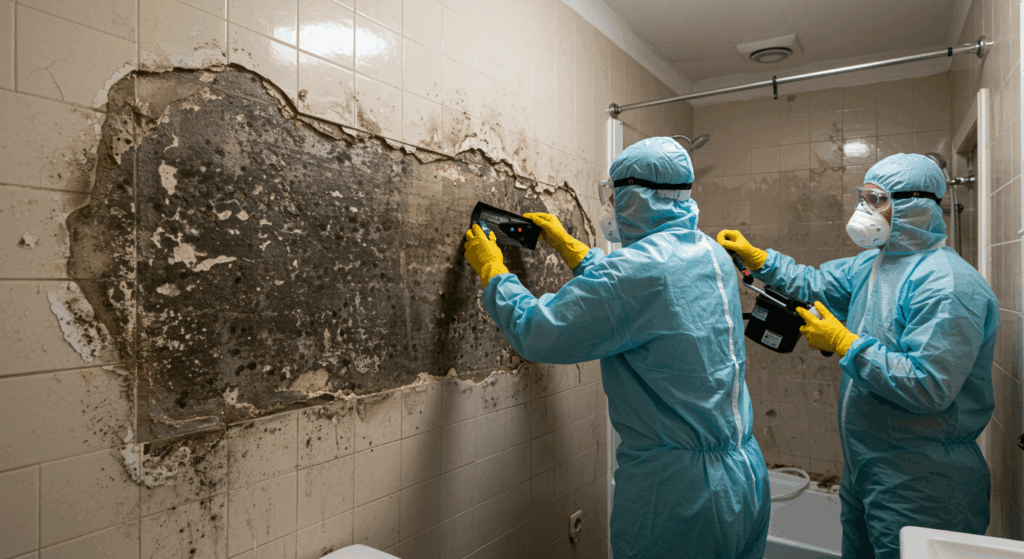
Proper black mold removal requires a careful and systematic approach. The first step is containment. Affected areas should be isolated to prevent spores from spreading to other parts of the home.
Next comes cleaning. Non-porous surfaces such as tiles, glass, and metal can often be cleaned using specialized cleaning solutions designed for mold removal. However, porous materials like drywall, carpet, and insulation may need to be removed and replaced entirely if heavily contaminated.
Protective equipment is essential during the process. Gloves, masks, and eye protection help reduce exposure to harmful spores. Ventilation should also be improved during cleaning to allow fresh air circulation.
In severe cases, professional black mold removal services may be required. Experts use industrial-grade equipment and advanced techniques to ensure complete removal and prevent recurrence.
Preventing Future Mold Growth in Homes and Apartments
Prevention is just as important as treatment when it comes to mold control. After completing black mold removal, it is essential to maintain a dry and well-ventilated environment.
Fixing leaks immediately is one of the most effective prevention strategies. Even small drips can lead to long-term moisture buildup. Using dehumidifiers in humid areas can also help regulate indoor moisture levels.
Proper ventilation in bathrooms, kitchens, and laundry areas is crucial. Exhaust fans should be used regularly to remove excess humidity. Keeping furniture slightly away from walls can also improve airflow and reduce hidden moisture buildup.
Regular home inspections help identify early signs of mold before they become serious. Early intervention reduces the need for extensive black mold removal in the future.
When to Call Professionals for Black Mold Removal
While small mold patches can sometimes be handled by homeowners, larger infestations require professional attention. If mold covers a large area, keeps returning after cleaning, or is hidden behind walls or ceilings, expert intervention is necessary.
Professional black mold removal services use advanced detection tools to locate hidden mold growth. They also follow strict safety protocols to ensure complete elimination without spreading spores further.
In apartment buildings, coordination with property management may also be required, especially if the mold is linked to structural or plumbing issues.
Conclusion: Maintaining a Mold-Free Living Environment
Black mold is a serious issue that requires prompt attention in modern homes and apartments. Understanding its causes, recognizing early signs, and taking immediate action are key steps in maintaining a healthy indoor environment.
Effective black mold removal not only restores cleanliness but also improves air quality and protects the health of occupants. By combining proper cleaning techniques with long-term prevention strategies, homeowners and tenants can significantly reduce the risk of future mold problems and ensure a safer, healthier living space.