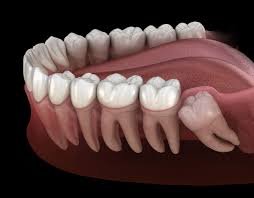

Dental health is a significant concern for children, especially as they transition from baby teeth to permanent teeth. One common issue that parents encounter is 12 year molar pain. The first set of permanent molars typically erupts around the age of 6, and the second molars emerge around age 12. Pain in these molars can be concerning for both children and parents, as it can affect eating, sleep, and overall well-being. Understanding the causes, recognizing the symptoms, and knowing the relief methods can help manage this common dental problem.
Causes of 12-Year Molar Pain
Several factors can contribute to 12 year molar pain in children. These include:
Tooth Eruption
The second permanent molars, often referred to as “12-year molars,” usually begin to emerge around age 12. Eruption can sometimes be painful, as the molar pushes through the gums. This can cause inflammation, tenderness, and discomfort in the surrounding area.
Tooth Decay
Dental cavities are a frequent cause of 12 year molar pain. Children at this age may consume sugary snacks and drinks, which increase the risk of tooth decay. When decay reaches the inner layers of the tooth, it can trigger pain, sensitivity, and even infection if untreated.
Gum Infection
Gum infections, including gingivitis and periodontitis, can lead to discomfort in the molars. Swollen, red, or bleeding gums around the 12-year molars may indicate an underlying infection, which can cause continuous or throbbing pain.
Bruxism (Teeth Grinding)
Some children grind their teeth at night, a condition called bruxism. This habit can strain the jaw and the molars, resulting in aching or discomfort. If left unaddressed, bruxism can wear down the teeth and worsen 12 year molar pain.
Malocclusion
Improper alignment of teeth, or malocclusion, can also contribute to molar discomfort. When teeth do not fit together correctly, the bite can put extra pressure on certain molars, causing pain and sensitivity.
Recognizing Symptoms
Identifying the symptoms of 12 year molar pain is crucial for timely intervention. Parents should watch for:
- Persistent Toothache: A continuous or intermittent ache in the area of the molars is a key indicator.
- Swollen Gums: Redness, swelling, or tenderness around the molars may accompany pain.
- Sensitivity to Hot or Cold: Discomfort while eating hot or cold foods can signal enamel damage or decay.
- Difficulty Chewing: Children may avoid chewing on the affected side due to pain.
- Bad Breath or Taste: Infections or decay can cause an unpleasant odor or taste in the mouth.
- Behavioral Changes: Irritability, disrupted sleep, or reluctance to eat can be indirect signs of molar discomfort.
Early recognition of these symptoms can prevent complications and ensure timely dental care.
Home Relief Tips
While professional dental care is essential, some home remedies can help manage 12 year molar pain temporarily:
Cold Compress
Applying a cold compress to the cheek near the painful molar can reduce swelling and numb the pain. Use the compress for 10-15 minutes at a time, several times a day.
Saltwater Rinse
A warm saltwater rinse can help reduce inflammation and fight bacteria in the mouth. Dissolve half a teaspoon of salt in a cup of warm water and have your child swish it around gently for 30 seconds before spitting it out.
Over-the-Counter Pain Relief
Children-friendly pain relievers, such as acetaminophen or ibuprofen, can help alleviate 12 year molar pain. Always follow the dosage instructions recommended by a pediatrician or pharmacist.
Maintain Oral Hygiene
Brushing and flossing carefully around the molars can prevent further irritation and reduce the risk of infection. Use a soft-bristled toothbrush to avoid aggravating sensitive gums.
Soft Diet
Encouraging soft foods, such as yogurt, mashed potatoes, or smoothies, can minimize discomfort while chewing. Avoiding sticky, hard, or sugary foods can prevent aggravating the molar pain.
When to See a Dentist
Although home remedies can provide temporary relief, it is important to consult a dentist if the 12 year molar pain persists or worsens. Some warning signs that require professional attention include:
- Severe or unrelenting pain
- Swelling that spreads to the face or jaw
- Fever or other signs of infection
- Visible cavities, pus, or discoloration in the molars
- Difficulty opening the mouth or chewing
A dentist can diagnose the cause of the pain accurately and provide treatments such as fillings, fluoride application, or professional cleaning. In some cases, orthodontic evaluation may be necessary if malocclusion is contributing to the discomfort.
Preventing 12-Year Molar Pain
Prevention is always better than cure. Parents can take several steps to minimize the risk of 12 year molar pain in their children:
- Encourage regular brushing twice daily and flossing once daily.
- Limit sugary snacks and drinks, particularly between meals.
- Schedule regular dental check-ups every six months to monitor the development of molars.
- Teach children to wear mouthguards if they engage in sports or have a tendency to grind their teeth.
- Ensure a balanced diet rich in calcium and vitamins to support strong teeth and gums.
By establishing healthy oral habits early, children are less likely to experience severe discomfort during the eruption of their 12-year molars.
Conclusion
Experiencing 12 year molar pain is a common phase in a child’s dental development, but it should never be ignored. Understanding the causes, recognizing the symptoms, and applying effective relief strategies can help manage the pain and prevent complications. Combining home care with regular dental visits ensures that children maintain optimal oral health as their permanent teeth emerge. With attentive care and proactive measures, parents can help their children navigate this stage comfortably and confidently.